Lisbon, Long Weekend
Direct flight to a city where every neighborhood feels like a different decade. Alfama's tile and trams, Bairro Alto's night energy, Belém's custard tarts at the source. Lisbon works because it never tried to become Barcelona.
Opinionated trips, curated by us and drafted by our AI. Filter by what you want to do, how long you have, or how you want to get there.
119 picks across the catalog.
The handful we keep coming back to.
Old streets, new restaurants, the kind of walking that earns dinner.

Direct flight to a city where every neighborhood feels like a different decade. Alfama's tile and trams, Bairro Alto's night energy, Belém's custard tarts at the source. Lisbon works because it never tried to become Barcelona.

Four days in a city that eats dinner at 10pm and means it. Palermo Soho for coffee and leather goods, San Telmo for the Sunday market that locals actually attend, and a parrilla where the waiter brings you exactly what you need without asking. BA is the European-feeling city that costs half what Europe does.

Gaudí in the morning, vermouth at noon, dinner at 10pm. Barcelona is the rare European city where you can skip the museum line, eat like you mean it, and still see the thing everyone flies here to see. Four days gets you past the Ramblas tourists and into the neighborhoods that matter.

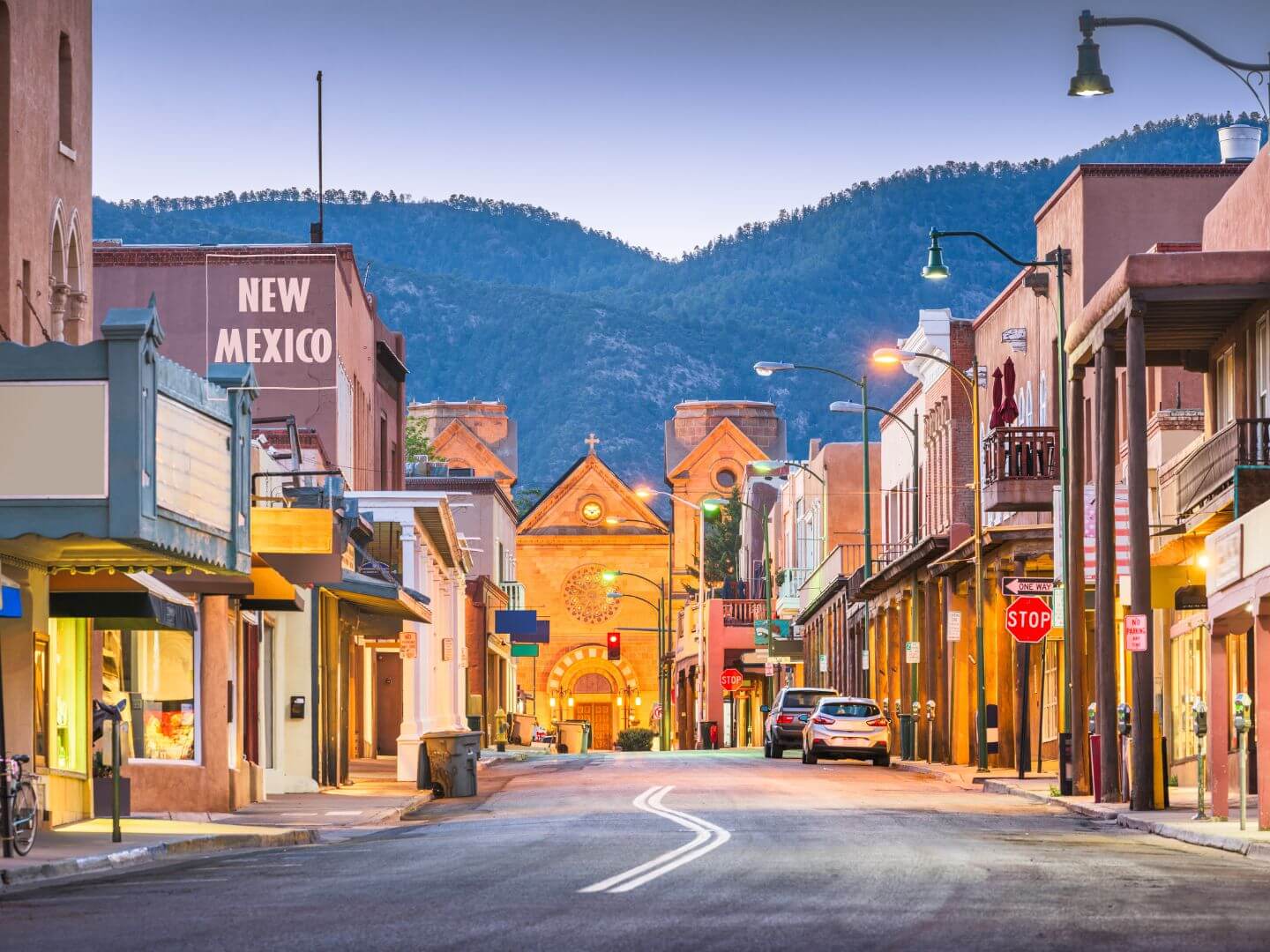
A city at 7,000 feet where the light actually does what the paintings say it does. Canyon Road galleries, green chile on everything, a hotel that's been here since the railroad came through. Santa Fe is the Southwest destination that doesn't try to be Sedona.

Three nights in Colombia's walled city where the heat slows you down in the right way. Ceviche at lunch, rum on a rooftop at dusk, cobblestones that turn gold at sunset. Direct from Atlanta means you're sitting in the Old Town by dinner.

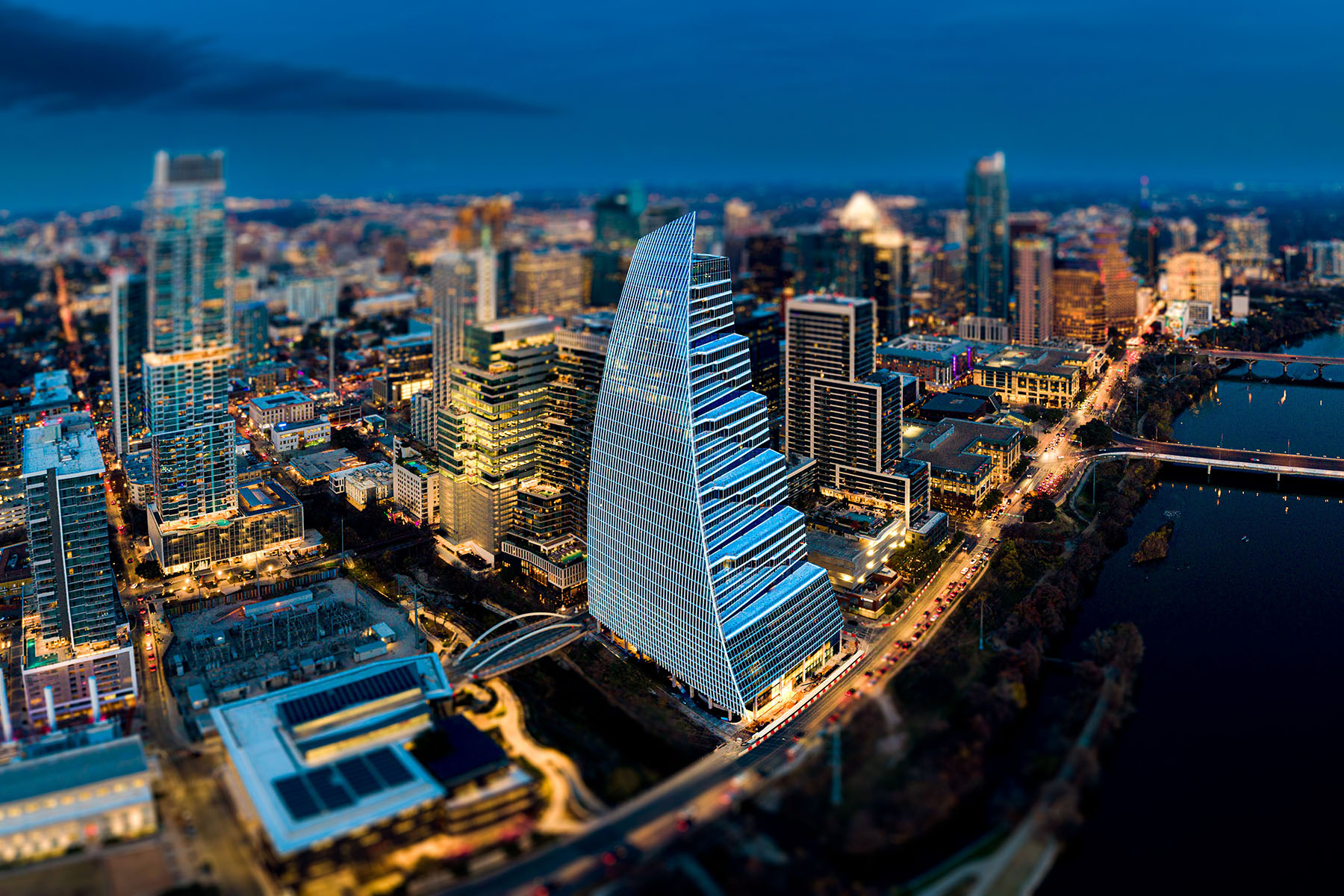
Three hours south on I-35, Austin stops being a tech-bro punch line the second you check into the Carpenter Hotel and walk to Launderette for dinner. East Sixth is still a mess, but Rainey Street after 10pm and Franklin's at 9am are both worth the specific effort.
:max_bytes(150000):strip_icc()/TAL-lead-image-PORTLANDME0725-9c5fa84ce659466c8a34f1ae742019c6.jpg)
Three hours south, a city that still has bookstores with chairs and restaurants that don't take reservations. Powell's until your feet hurt, natural wine in a former garage, a hotel that remembers when Portland was weird before it was a brand.

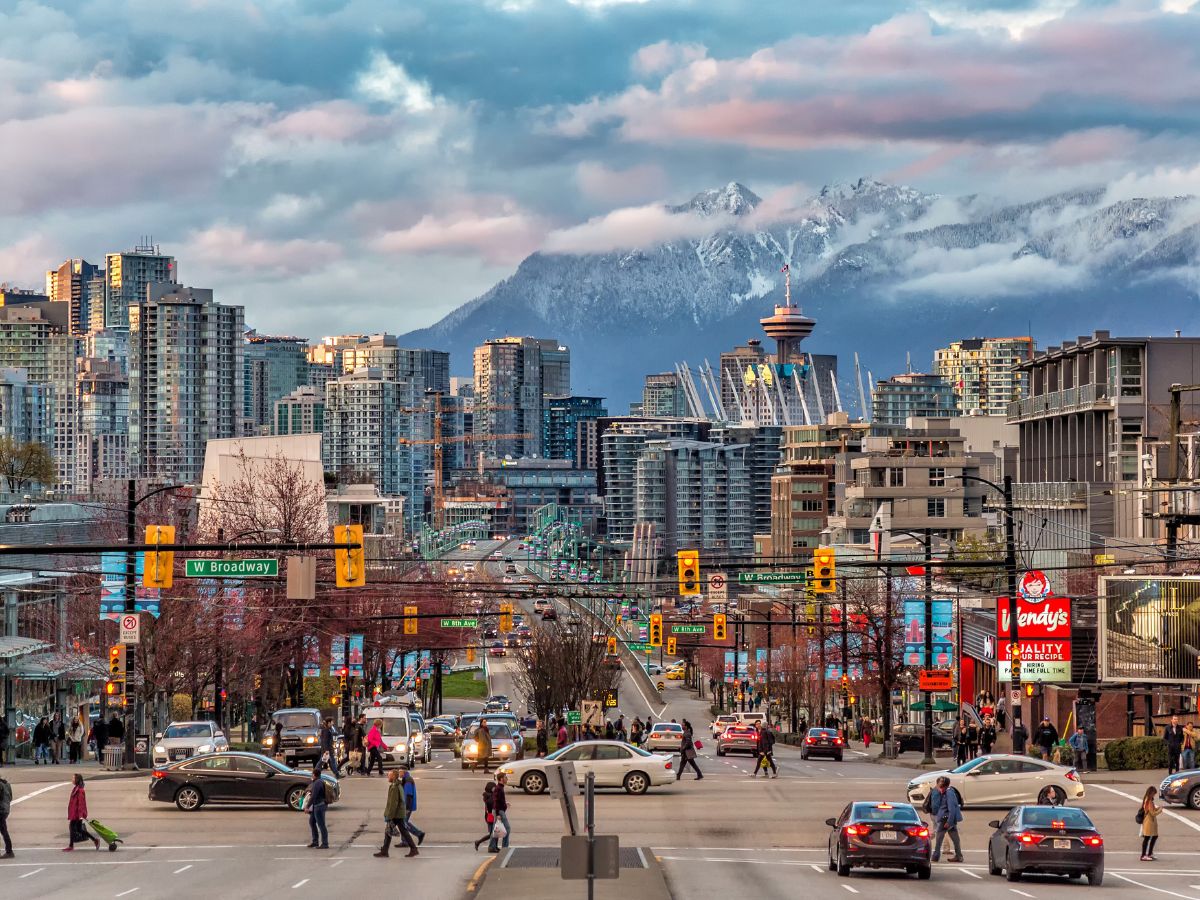
Three hours north on the Cascades, you step off into a city where the mountains meet the water and nobody's pretending it's casual. Granville Island for lunch, Stanley Park when the light's right, dinner in Gastown where the servers know wine regions by soil composition.

A Michigan harbor town that figured out how to be a beach destination without losing its mind. Galleries on Water Street, a dune climb that earns the lake view, and a hotel that used to be a chain saw factory. Two hours from Chicago and it feels like you crossed a border.
:max_bytes(150000):strip_icc()/TAL-lead-image-PORTLANDME0725-9c5fa84ce659466c8a34f1ae742019c6.jpg)
Two hours up I-95 to the Maine coast city that figured out how to be a food town without turning into a food scene. Lobster rolls that locals actually eat, a walkable peninsula, and a harbor that still works for a living. Stay at the Press Hotel in the old newspaper building and eat like you mean it.

Direct from Dulles to a city that runs on bicycles and brown cafés. Stay in the Jordaan, eat Indonesian food better than you'll find in Indonesia, spend an afternoon at the Rijksmuseum that doesn't feel like homework. Amsterdam rewards the long weekend more than the blur-through.

A direct flight to Heathrow and you're in a city that earns its density. Borough Market at 9am, the Tate Modern at 3pm, a pub in Clerkenwell that's been there since 1720. London works because you can walk between centuries in twenty minutes.

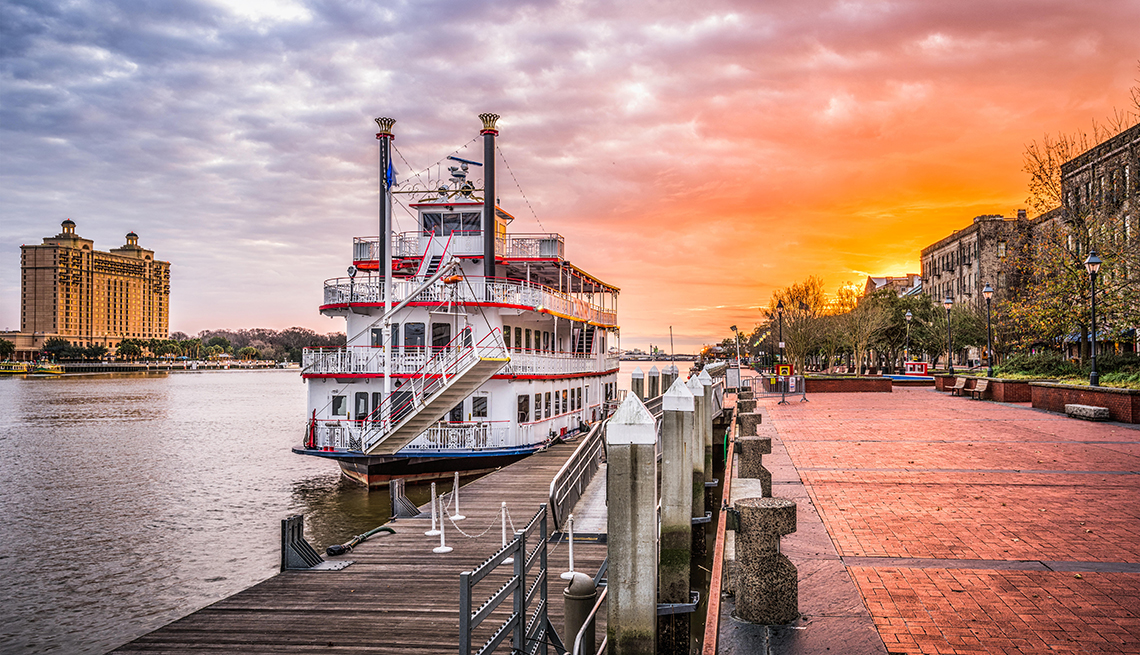
Forsyth Park at 7am, lunch on a wraparound porch, dinner somewhere that wasn't a carriage house in 1820. Savannah works because the grid itself is the itinerary — twenty-two squares in two miles, live oaks doing all the work. You don't need a ghost tour. You need a long weekend and shoes you can walk in.

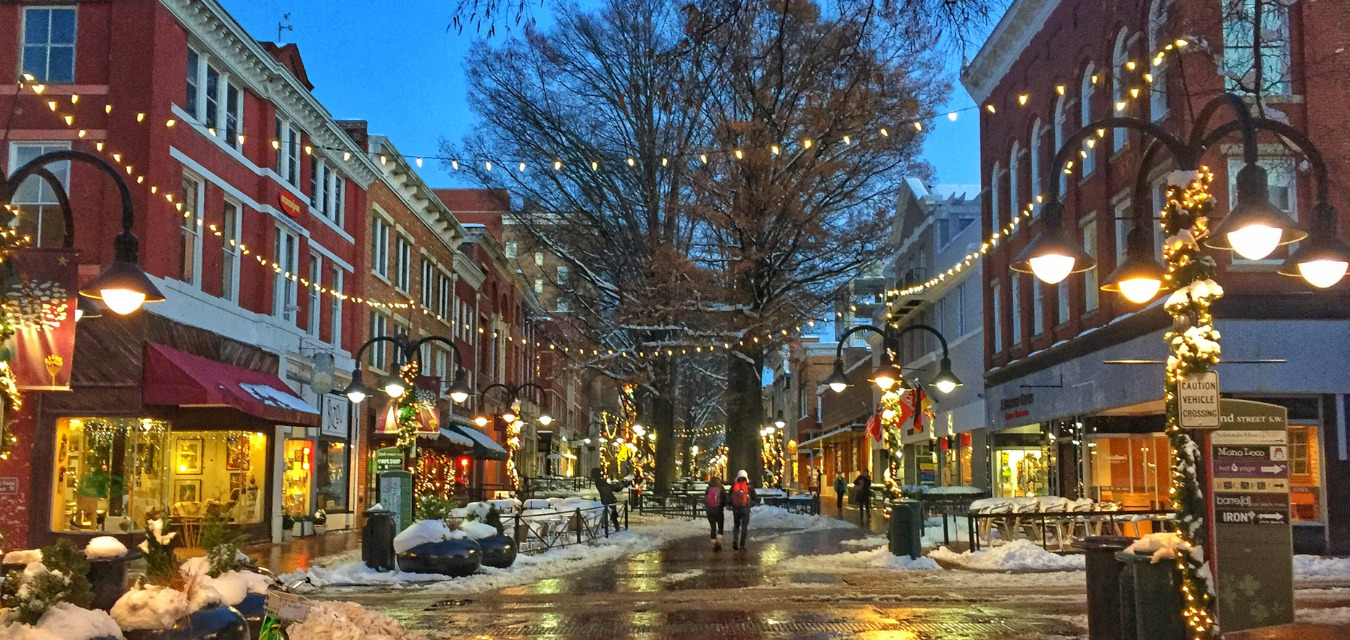
Two hours south to a town that figured out how to be more than Monticello. The Corner for college-town energy, the Downtown Mall for dinner that matters, and enough vineyards within 20 minutes that you can pick the one where nobody's wearing a sash.

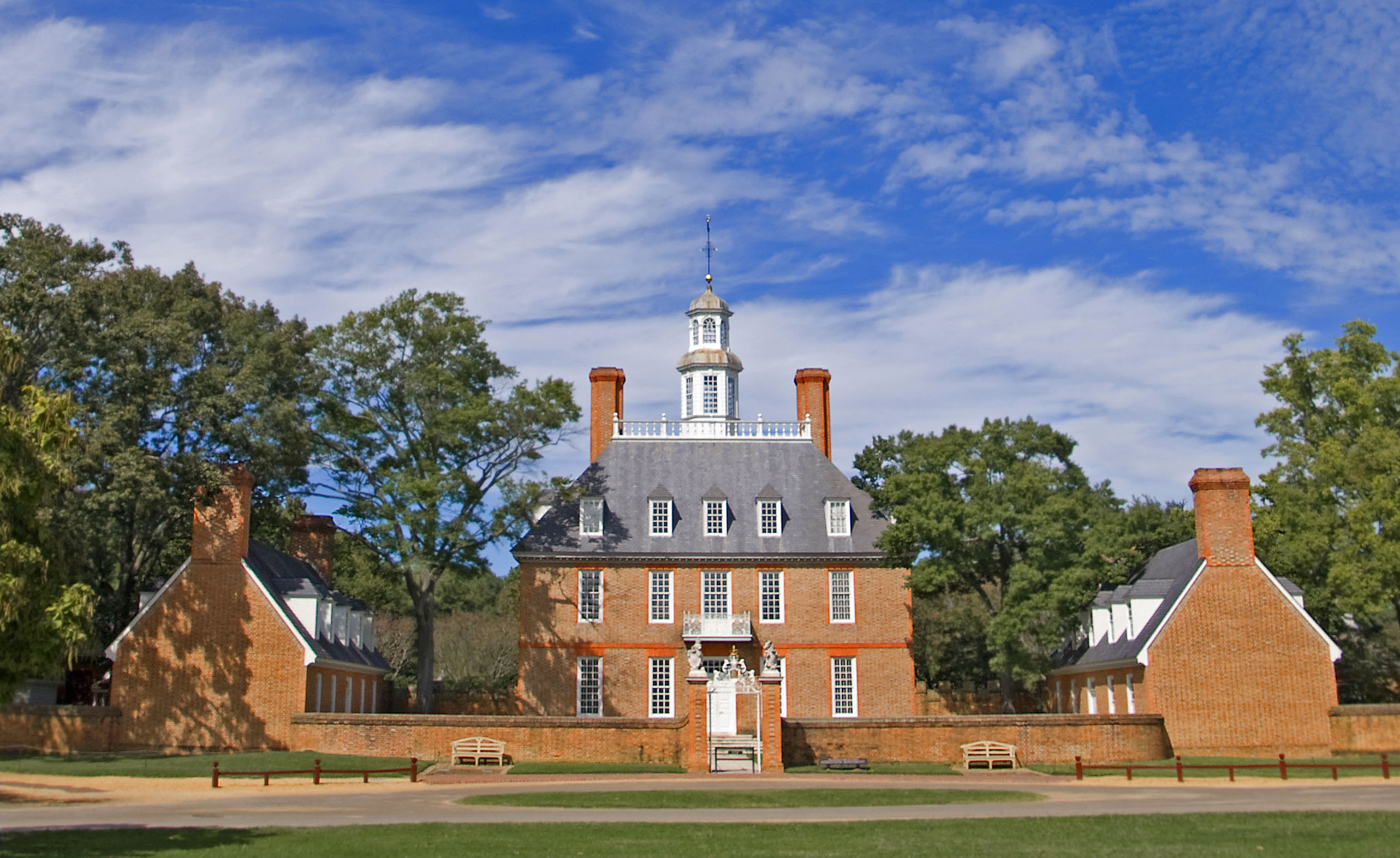
Colonial Williamsburg is still there, and it's still good — better, actually, when you're the one choosing to go. Stay at the Williamsburg Inn, where the lobby fireplace has been lit since 1937. Walk Duke of Gloucester Street at 8am before the interpreters clock in. This is the version of Williamsburg your teacher couldn't afford.

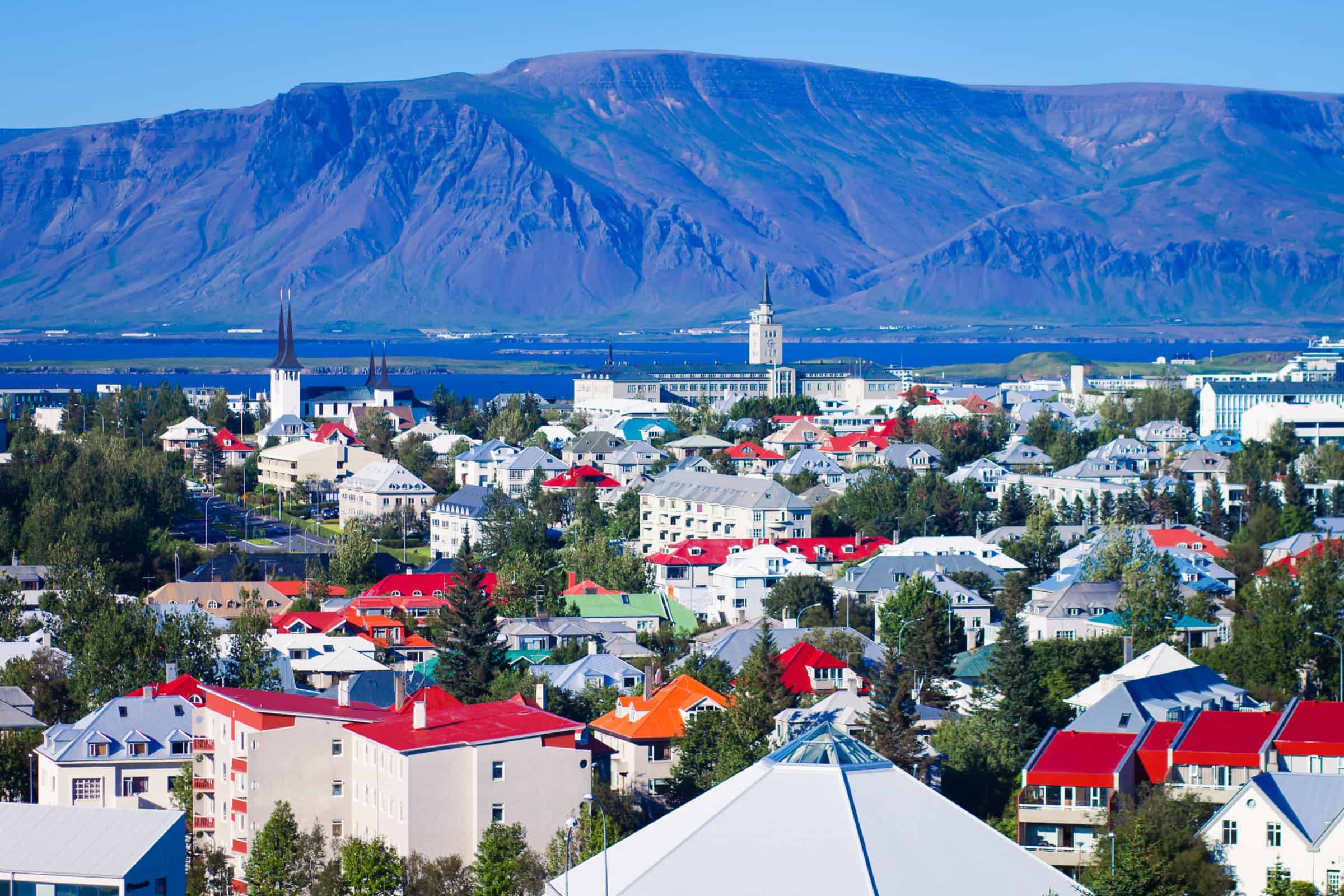
Four days in the world's northernmost capital — a city that runs on geothermal heat and closes its restaurants at 10pm. Blue Lagoon is fine but the city pools are better. The Golden Circle is a rental car cliché. Stay in town, eat fermented shark once, drink coffee four times a day.

Four days in Rome is the right amount of time to stop rushing. Trastevere at dusk, a real trattoria where the waiter doesn't have a printed menu, the Borghese Gallery on a Tuesday morning when everyone else is at the Colosseum. Book the flight, skip the tour groups, eat the cacio e pepe.

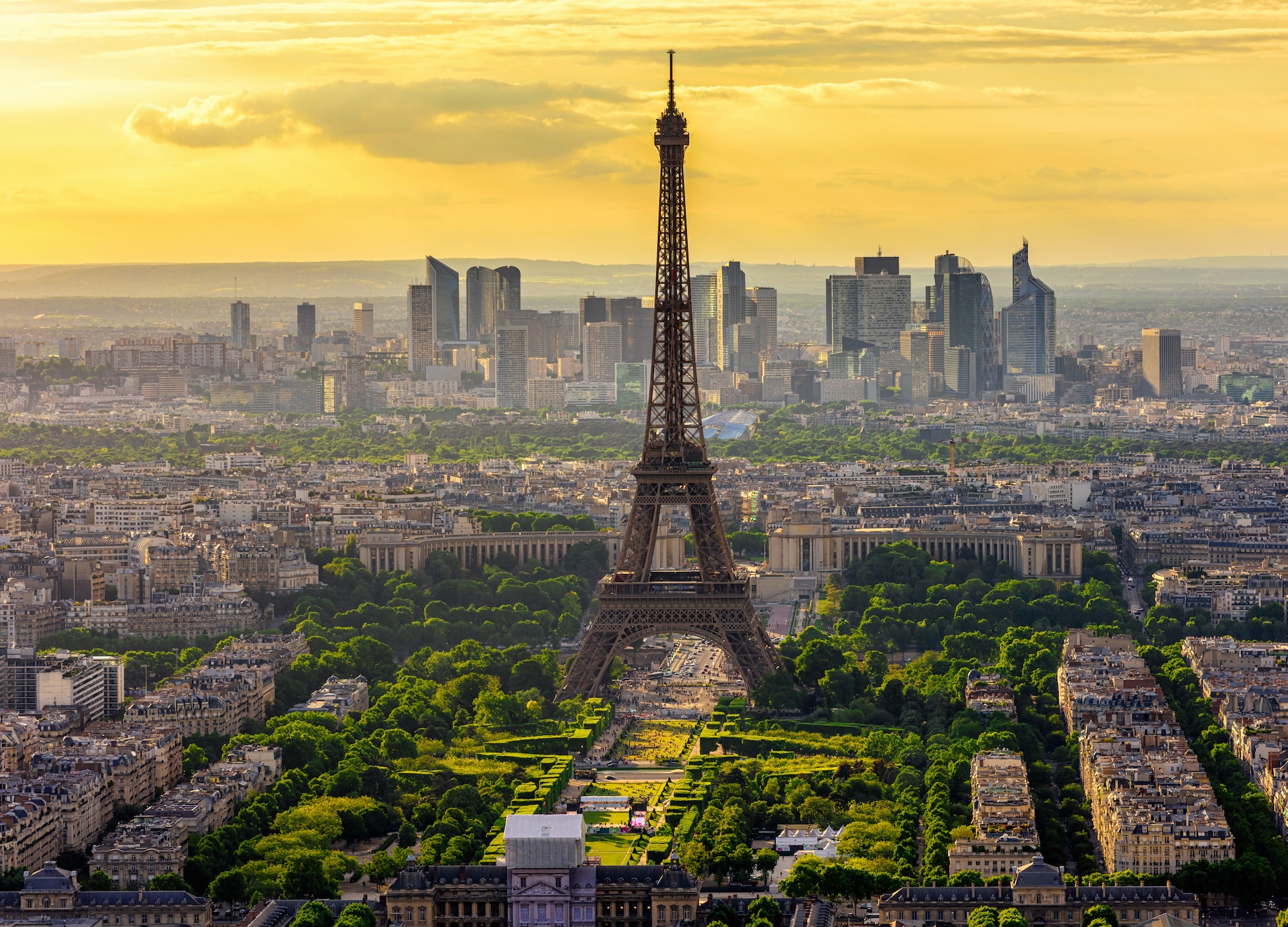
Six hours door-to-door if you take the overnight, which you should. Wake up on the Rue de Rivoli, walk to Broken Arm for coffee, spend the afternoon at Merci or the Rodin Garden depending on weather. This is the trip for people who think they've outgrown Paris weekends.

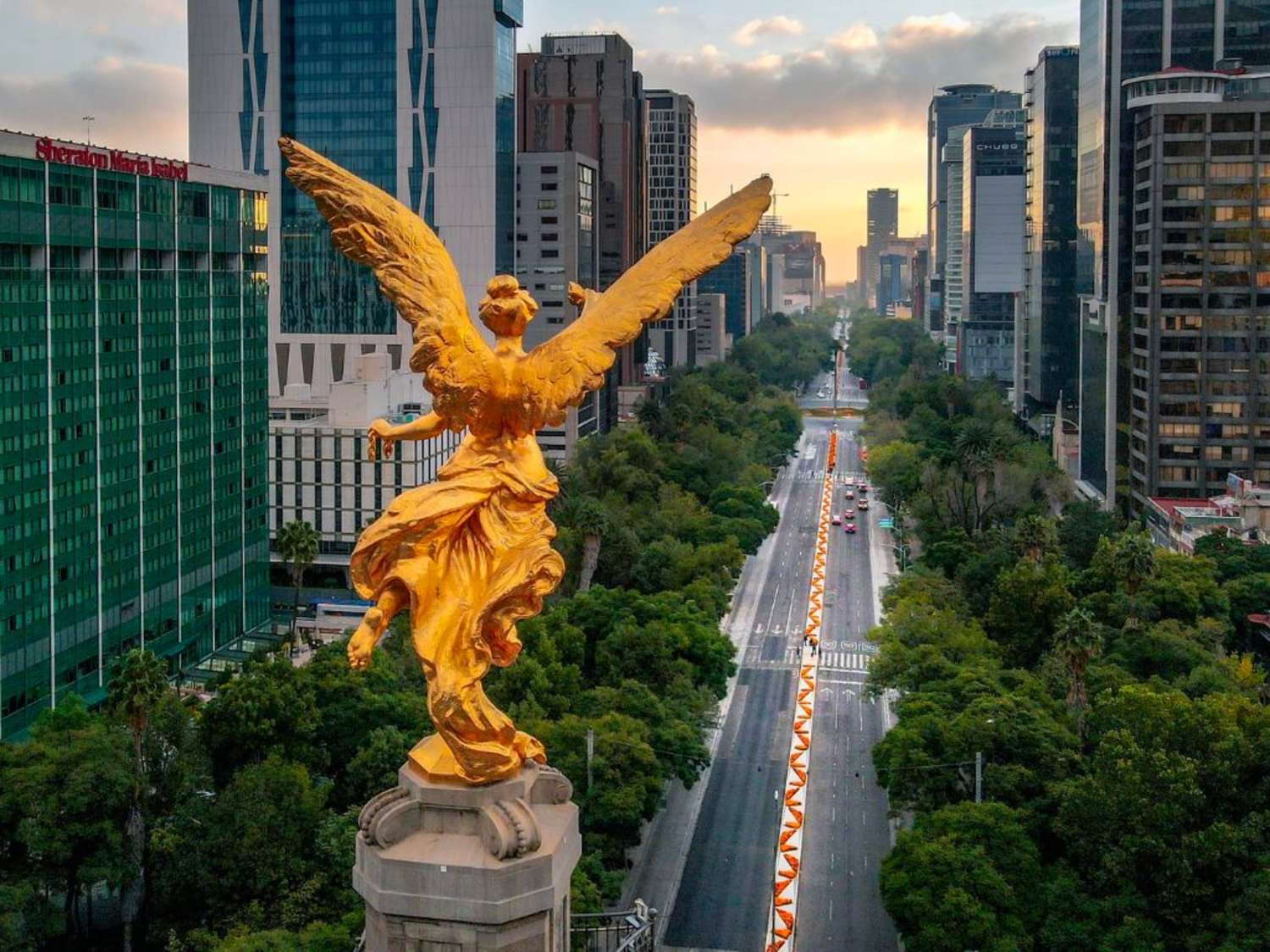
A direct flight to a city that out-eats, out-museums, and out-drinks most European capitals for half the price. Roma Norte mornings, Centro Histórico afternoons, and enough tacos al pastor to redefine your relationship with pork. Stay at a Condesa hotel where the courtyard matters more than the lobby.
:max_bytes(150000):strip_icc()/TAL-lead-image-NEWPORTRI1225-4673b07b041049879710ee860e43bee9.jpg)
The Gilded Age mansions are there year-round, but the town belongs to you after Columbus Day. Cliff Walk without the crowds, oysters at a corner bar that's been shucking since 1989, a harbor-view hotel that drops its rates when the yachts leave.

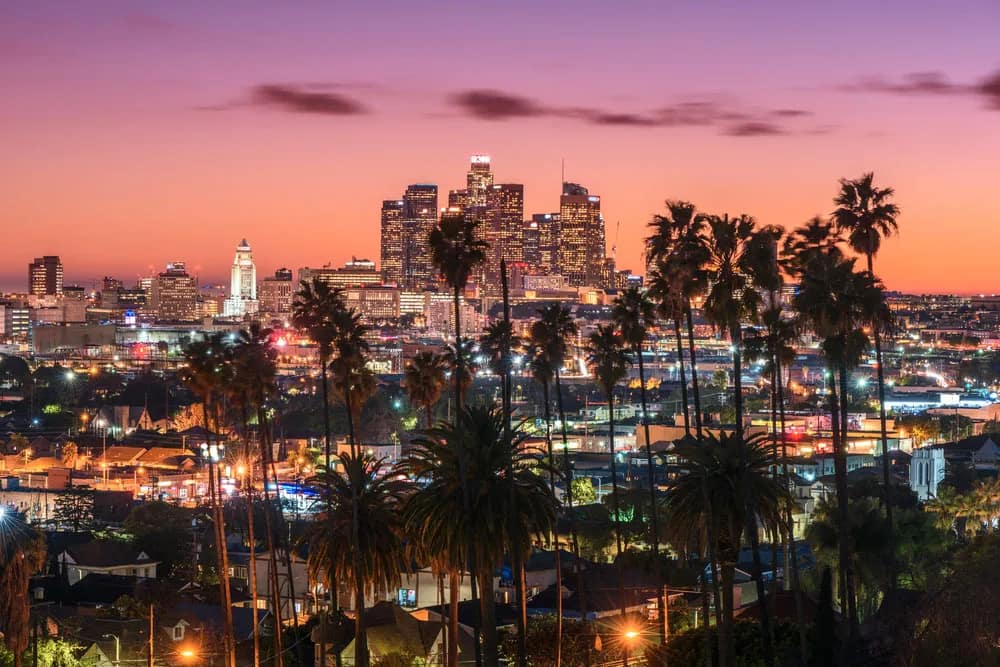
Three nights in Los Feliz and the Hollywood Hills — not the Walk of Fame. Chateau Marmont because it's the only hotel that makes sense if you're doing this right. Hikes at sunrise, tacos at noon, the kind of LA that people who live there actually like.

A city that feels like a different continent for $98 each way if you book it right. Old Montreal cobblestones, Mile End bagels, a four-star hotel with a rooftop garden pool that nobody on Instagram has discovered yet.

Two hours up the Hudson, you walk off the train into a town that figured itself out. Warren Street is the whole point — antiques, ceramics, a wine bar where the bartender knows what you want before you do. No car, no plan, no rush.
Sand, oysters, the kind of porch where the day just goes.

Direct flight to a city where every neighborhood feels like a different decade. Alfama's tile and trams, Bairro Alto's night energy, Belém's custard tarts at the source. Lisbon works because it never tried to become Barcelona.
A Channel Island that still runs on its own time. Castle ruins on clifftops, butter that costs what it should, and zero cars on Herm Island. Four nights gets you past St. Peter Port and into the version of Guernsey where the locals surf in October and dinner happens at 7pm because the ferry stops running.
Twenty minutes north of downtown San Diego, La Jolla is the version of Southern California that earned the reputation. Seals on the rocks at Children's Pool, a tasting menu at Addison that costs less than it should, and a Saturday morning at the Farmers Market that reminds you why people move here.
An hour by ferry from San Diego, you step off the boat into a town with no cars, no chains, and a 1929 casino that never saw a roulette wheel. Two nights gets you past the day-tripper crowds and into the version of Catalina where you hike the interior at sunrise and eat swordfish on the waterfront at 7pm.
Haystack Rock at low tide, clam chowder that justifies the drive, and a hotel where the fireplace faces the ocean. Two nights gets you past the photo-op and into the version of the Oregon coast where dinner is at 6pm and the fog is the point.
Four nights on a 34-mile barrier island where the Gulf meets the Laguna Madre. Sea turtle season runs May through September. The birding is better than the beach bars, but the beach bars earn their place after a day on the water. Stay at Isla Grand for the balcony that faces both.
Three nights on the Texas coast for the breakfast tacos, the Selena mural, and a barrier island with 60 miles of sand you can drive on. Corpus is the Gulf trip Houstonians take when they want seafood that tastes like the water it came from, not the cruise port most people think it is.
A two-street town on Lake Superior where the ferries to the Apostle Islands leave from the same dock where the fishing boats unload. Three nights gets you a kayak morning, a fish boil at sunset, and the kind of bookstore browsing that only works when there's nothing else competing for the afternoon.
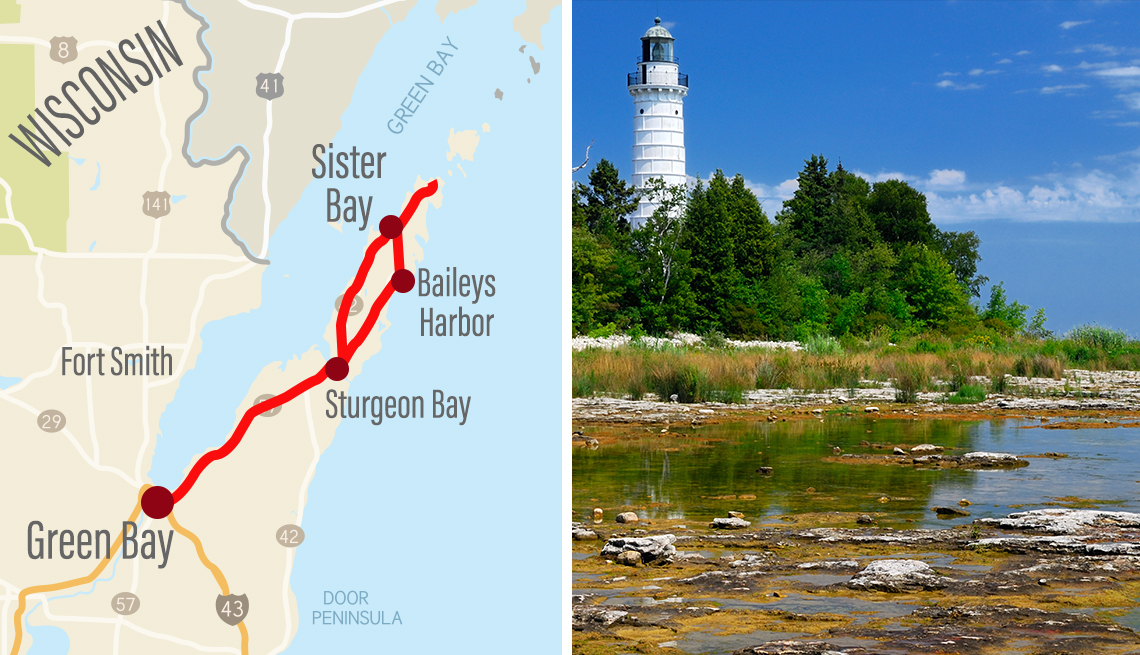
A peninsula two states over that Wisconsin has been keeping to itself. Cherry orchards in June, fish boils year-round, and a coastline where the sun sets over water that looks like Michigan but isn't. Three nights gets you past the fudge shops in Sister Bay and into the version of Door County where the pie comes from an actual farm.
A 50-minute flight to an island that earns more than the cruise-port version you've heard about. Stay on Paradise Island at the pink hotel that matters, eat conch salad at a shack where the line forms at noon, and take the 20-minute ferry to Harbour Island for the day that justifies the whole trip.
A barrier island in the Gulf where the shells pile up and the speed limit is 35. Four nights at a quiet resort with a lap pool, a fish taco truck that parks at Bowman's Beach at 11am, and a sunset that happens over water warm enough to wade into. This is Florida before it became a brand.
Two hours south on the Overseas Highway to the fishing village that hasn't turned into Key West yet. Tarpon at sunrise, stone crab at lunch, sunset at a tiki bar where the bartender knows the depth chart. Three nights is enough to fish once, eat well twice a day, and stop checking your phone by Saturday.
A three-hour drive to the end of US-1, where the Atlantic meets the Gulf and the breakfast mojito is culturally correct. Three nights gets you past the Duval Street T-shirt shops and into the version of Key West where locals eat yellow-tail snapper at 2pm and the sunset is something you watch from a dock, not a cruise-ship pier.
An hour from Houston, a 19th-century port town with architecture that survived the hurricane and seafood that tastes like the Gulf it came from. The Strand at sunset, oysters at Gaido's, a hotel on the seawall that understands what a beach weekend should cost.
A Gulf Coast beach town that never went condo. Three miles of hard-packed sand you can drive on, oysters at a shack with picnic tables, and a fishing pier that closes when the red drum stop biting. Port A is the Texas coast before developers figured out what to charge for it.
Three hours from Seattle, the Peninsula is the Pacific Northwest trip that earns the drive. Rainforest hikes that empty after the first mile, tide pools at Rialto Beach, a lodge dinner where the elk walk past the window. Three nights splits the difference between coast and forest without feeling like you're packing up every morning.
A Lake Michigan beach town 90 minutes from Chicago, where the sand is actual sand and the wine bars close at 9pm. Two nights gets you a Saturday on the beach, a Friday-night dinner that earns the drive, and a Sunday morning at the farmers market before the route back is all brake lights.
A barrier island 15 minutes from Atlantic City that figured out how to stay quiet. Miles of dune-backed beach where you can still hear the waves, a seafood shack that locals defend like a state secret, and a sunset over the bay that costs nothing but the 20-minute drive from your rental.
A Victorian beach town at the tip of New Jersey that never went corporate. Wide porches, painted gingerbread, a beach that empties out by 5pm. Three nights gets you past the Painted Ladies walking tour and into the version of Cape May where you pick one restaurant and go back twice.
Three nights at the Jersey Shore town that doesn't feel like the Jersey Shore. Victorian gingerbread houses, a beach that doesn't have a boardwalk, and a downtown where the restaurants close in January because the chefs actually care. Stay at Congress Hall, eat dinner at 8pm at Peter Shields, bike to Sunset Beach on Sunday morning.

High desert at 3,600 feet with 16 breweries and the Deschutes River running through town. Three hours south of Seattle, you're waking up to Cascade views, eating dinner at a chef-driven spot that doesn't advertise, and realizing the ski town you thought was just for winter works in August.

Gaudí in the morning, vermouth at noon, dinner at 10pm. Barcelona is the rare European city where you can skip the museum line, eat like you mean it, and still see the thing everyone flies here to see. Four days gets you past the Ramblas tourists and into the neighborhoods that matter.

A city at 7,000 feet where the light actually does what the paintings say it does. Canyon Road galleries, green chile on everything, a hotel that's been here since the railroad came through. Santa Fe is the Southwest destination that doesn't try to be Sedona.

Three nights in Colombia's walled city where the heat slows you down in the right way. Ceviche at lunch, rum on a rooftop at dusk, cobblestones that turn gold at sunset. Direct from Atlanta means you're sitting in the Old Town by dinner.
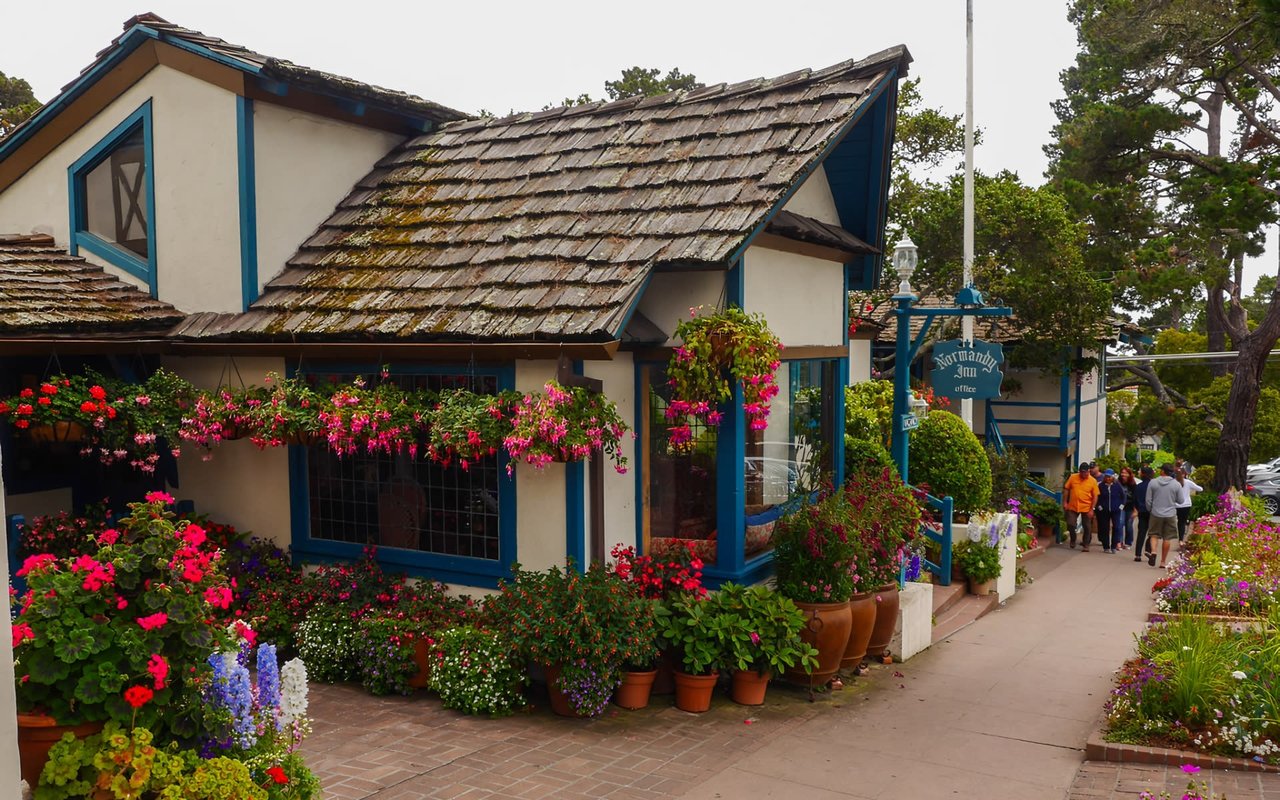
Two hours down the coast to a one-square-mile village where the sidewalks are optional and the cypress trees do more work than the marketing. Stay at La Playa Carmel — the 1904 estate where Doris Day used to live upstairs — and spend a weekend walking to everything that matters.

Three hours north on the Cascades, you step off into a city where the mountains meet the water and nobody's pretending it's casual. Granville Island for lunch, Stanley Park when the light's right, dinner in Gastown where the servers know wine regions by soil composition.

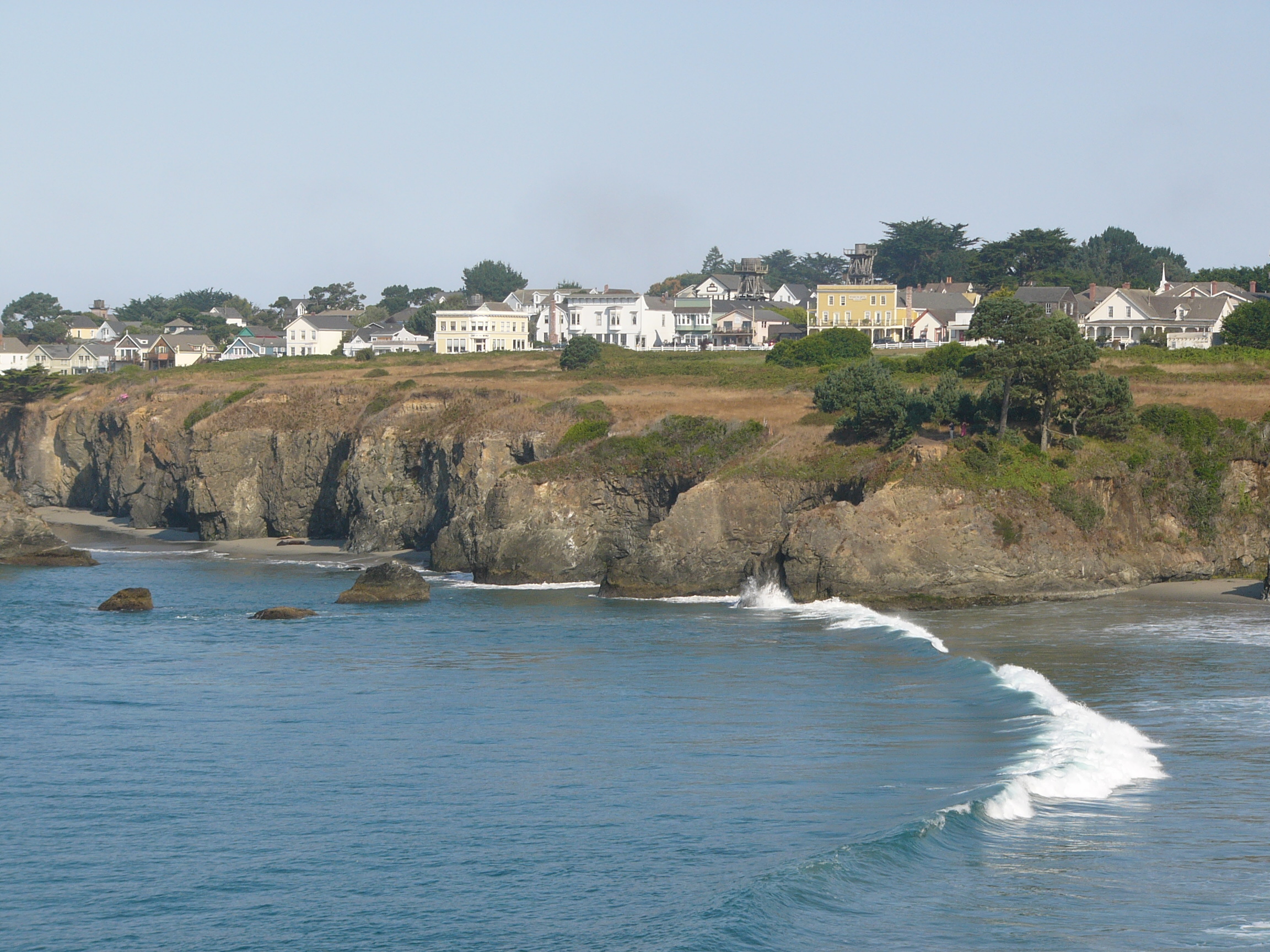
Three hours north of San Francisco, Mendocino sits on bluffs above the Pacific with no beach access and no apologies. The town is eight blocks of carpenter gothic and redwood water towers. Go in October when the fog's back and the crowds aren't.

Two hours on the Washington State Ferry, then you're on San Juan Island with a rental bike and a room at a 1907 inn that still remembers when this was the end of the world. Roche Harbor at sunset, lime kilns in the morning, dinner where the fishermen eat.

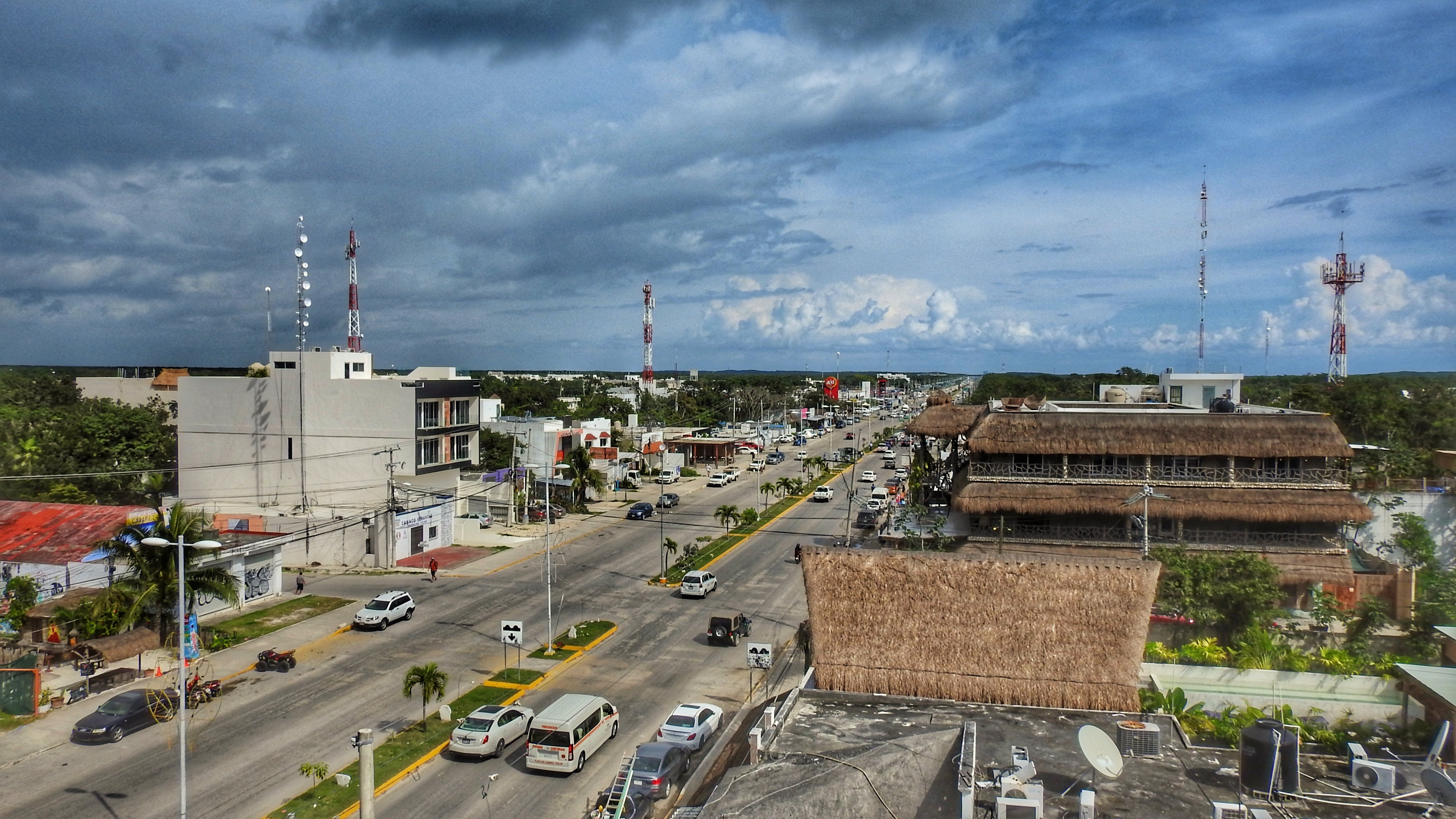
Tulum still works if you know when to be where. Early mornings at the ruins before the tour buses, lunch in town not the beach zone, a cenote swim at 3pm when everyone else is napping off mezcal. The jungle boutique hotels are real — pick one that was there before the influencer wave.

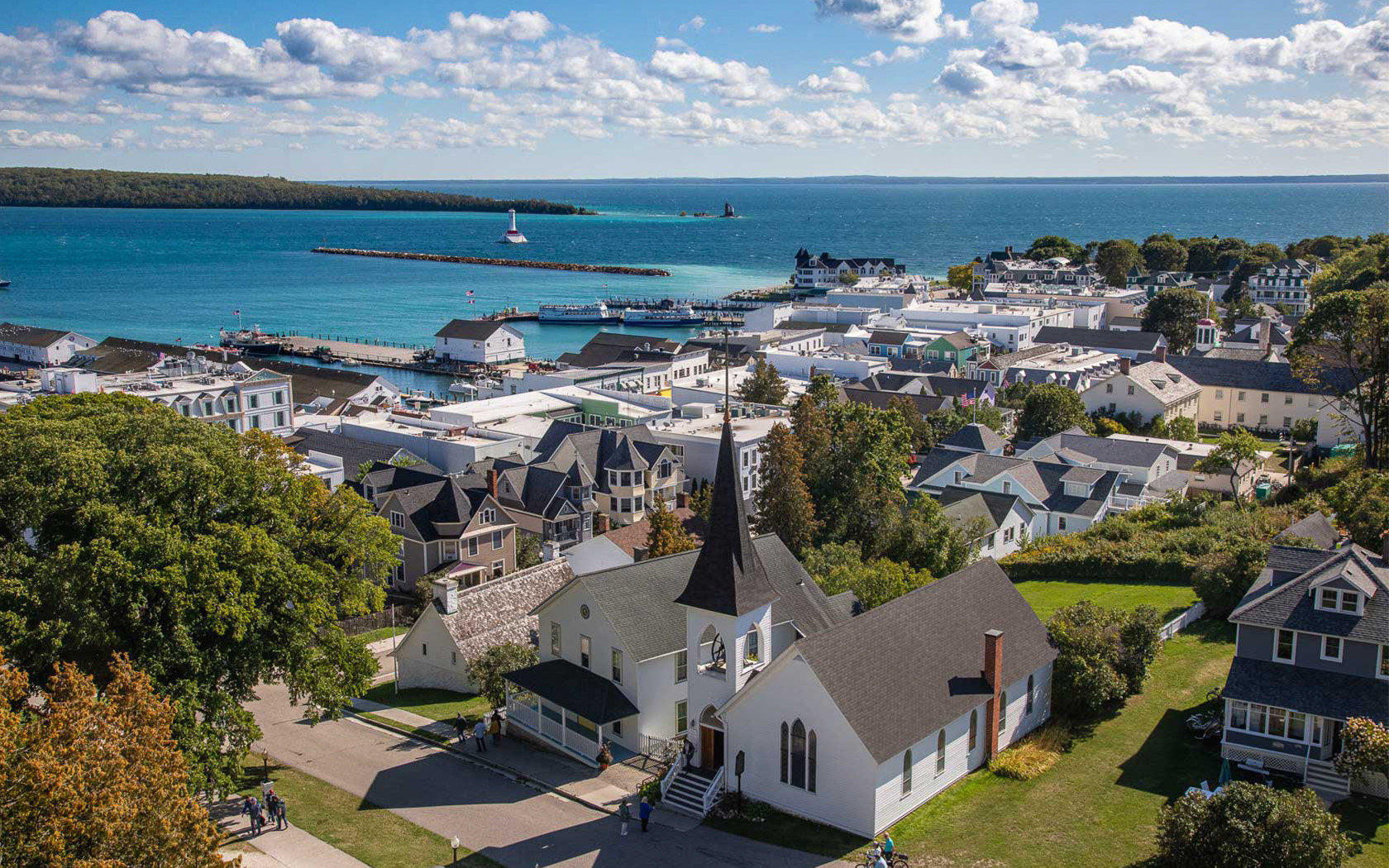
A Victorian island in Lake Huron where cars have been banned since 1898. You arrive by ferry, check into the Grand Hotel with its 660-foot porch, and spend two days moving at the speed of a horse-drawn taxi. Fudge shops are unavoidable but the island is bigger than its kitsch.

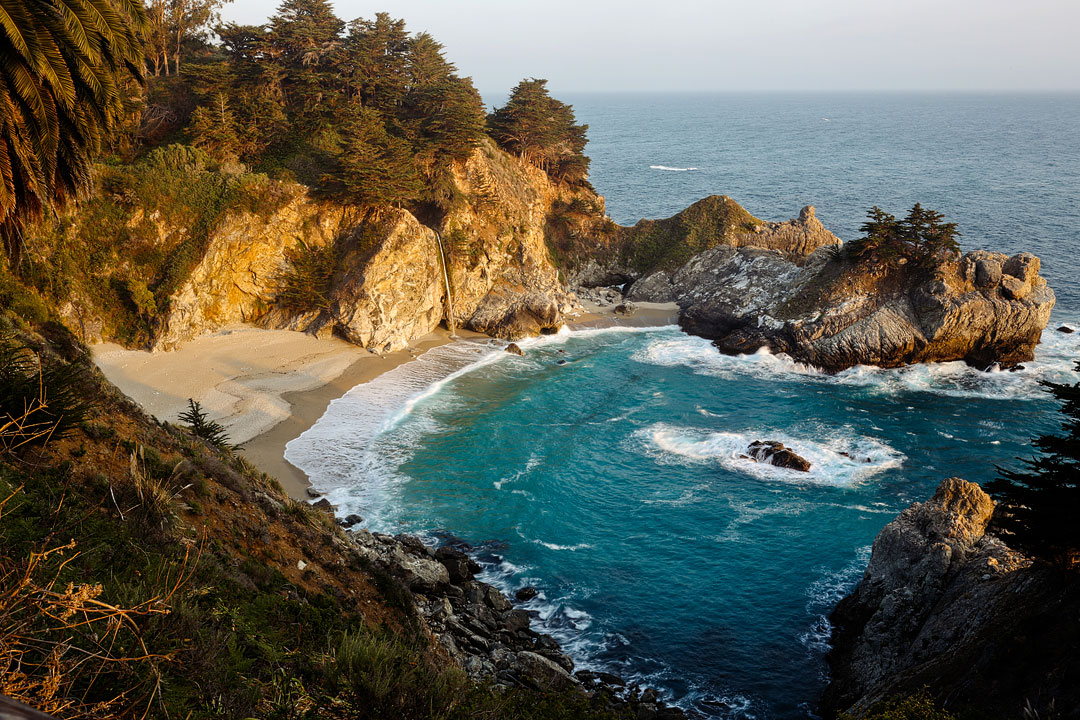
Four hours up the coast to Ventana Big Sur, where the redwoods meet the cliffs and the fog rolls in around 4pm. Two nights of silence, fire pits at sunset, a Japanese bathhouse built into the hillside. Big Sur stops being a drive-through when you give it a weekend.
90 minutes up the coast to a town that figured out how to be both a beach town and a wine town without losing either. Red tile roofs, white stucco, a harbor that still works. The American Riviera label is lazy — Santa Barbara is better than that.

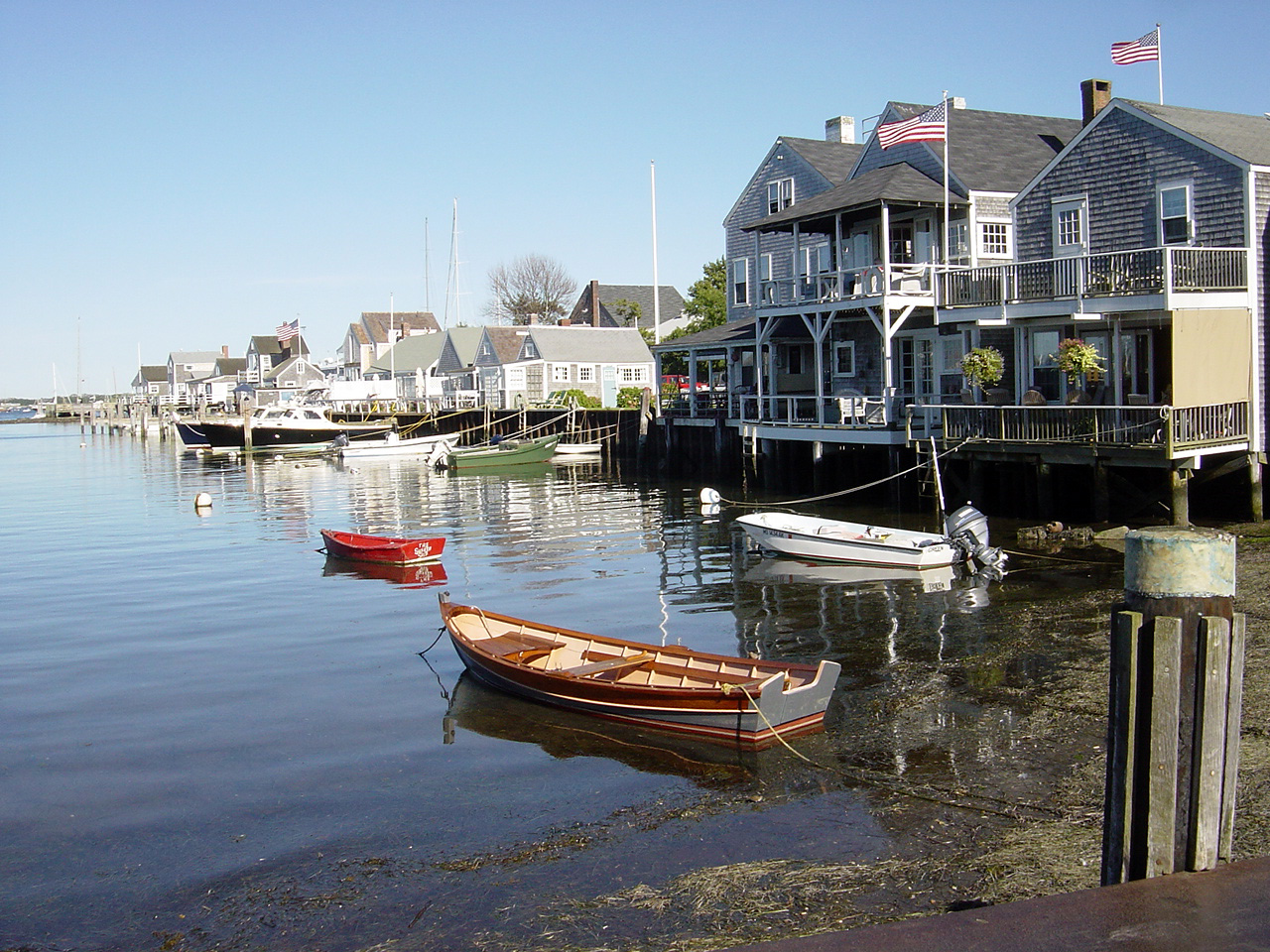
Two hours and a ferry ride to the island that empties out after Labor Day and becomes itself again. Grey shingles, cobblestone Main Street, a harbor that still smells like a harbor. The Wauwinet is open through October and knows what it's doing.

A Mississippi River town that peaked in 1850 and knows it. Main Street still runs on brick and iron storefronts, the best hotel is an 1855 mansion on a hill, and the whole town shuts down by 9pm in a way that feels like the point. Go in October or March when the tour buses stay home.

Four hours north of Chicago, Door County stops being a summer destination in late September and becomes something better. Orchards you can walk through, fish boils that aren't performance art, a peninsula that empties out the week after Labor Day.

A Michigan harbor town that figured out how to be a beach destination without losing its mind. Galleries on Water Street, a dune climb that earns the lake view, and a hotel that used to be a chain saw factory. Two hours from Chicago and it feels like you crossed a border.
:max_bytes(150000):strip_icc()/TAL-lead-image-PORTLANDME0725-9c5fa84ce659466c8a34f1ae742019c6.jpg)
Two hours up I-95 to the Maine coast city that figured out how to be a food town without turning into a food scene. Lobster rolls that locals actually eat, a walkable peninsula, and a harbor that still works for a living. Stay at the Press Hotel in the old newspaper building and eat like you mean it.

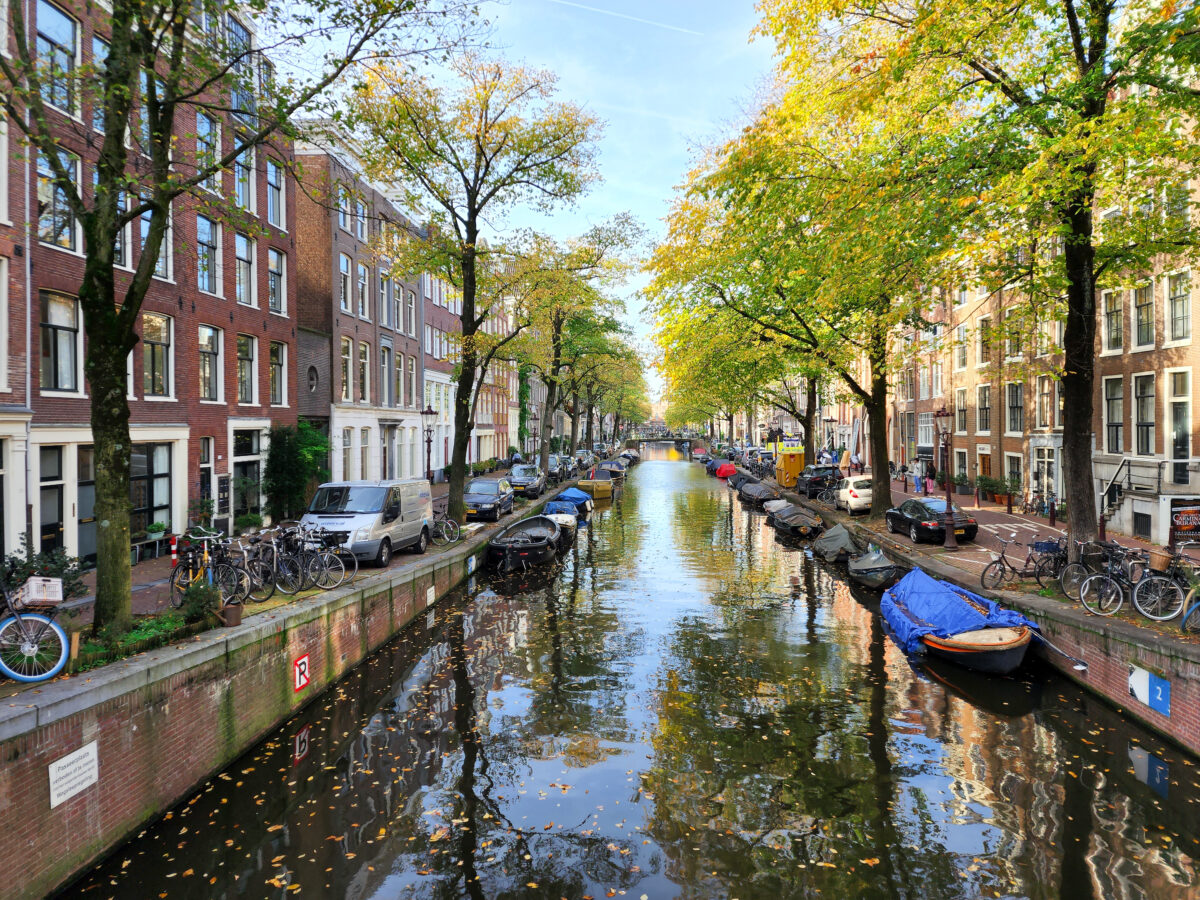
Direct from Dulles to a city that runs on bicycles and brown cafés. Stay in the Jordaan, eat Indonesian food better than you'll find in Indonesia, spend an afternoon at the Rijksmuseum that doesn't feel like homework. Amsterdam rewards the long weekend more than the blur-through.

Forsyth Park at 7am, lunch on a wraparound porch, dinner somewhere that wasn't a carriage house in 1820. Savannah works because the grid itself is the itinerary — twenty-two squares in two miles, live oaks doing all the work. You don't need a ghost tour. You need a long weekend and shoes you can walk in.

Four days in the world's northernmost capital — a city that runs on geothermal heat and closes its restaurants at 10pm. Blue Lagoon is fine but the city pools are better. The Golden Circle is a rental car cliché. Stay in town, eat fermented shark once, drink coffee four times a day.
:max_bytes(150000):strip_icc()/TAL-lead-image-NEWPORTRI1225-4673b07b041049879710ee860e43bee9.jpg)
The Gilded Age mansions are there year-round, but the town belongs to you after Columbus Day. Cliff Walk without the crowds, oysters at a corner bar that's been shucking since 1989, a harbor-view hotel that drops its rates when the yachts leave.
:max_bytes(150000):strip_icc()/TAL-bermuda-beach-BERMUDA0523-18b06e9646d6453ba9d38a1530fe0eb4.jpg)
Two hours from JFK to an island where the sand is actually pink and the rum swizzle was invented at the hotel bar you're staying at. Horseshoe Bay in the morning before the cruise ships dock, fish sandwiches in Hamilton, a moped if you're brave enough.

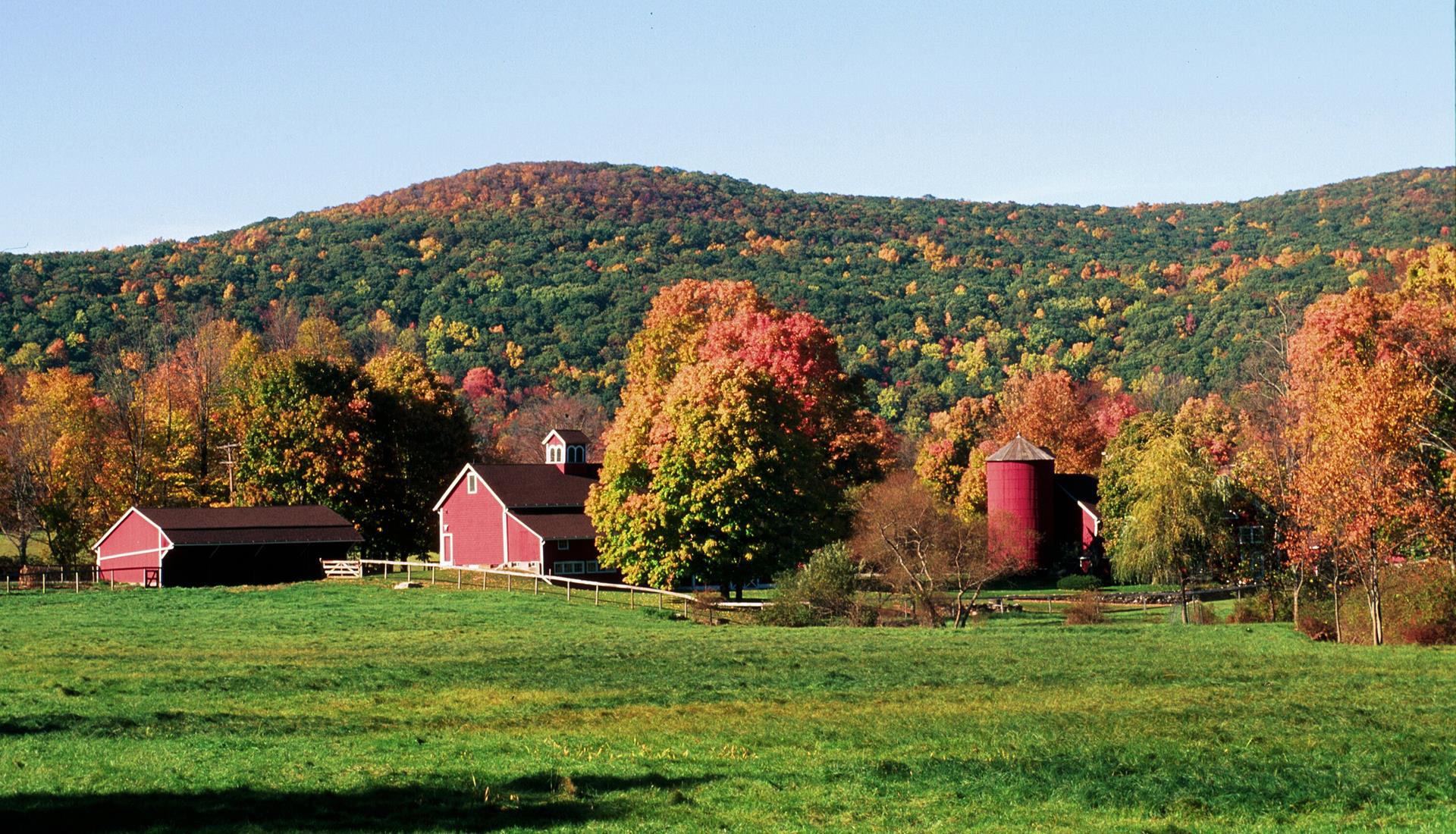
Two hours north of the city, a corner of Connecticut that knows what it is — white clapboard towns, bookstores that matter, a Saturday farmer's market where the vegetables look like they posed for a photo. Stay at Winvian Farm where your room is a helicopter or a stable or a treehouse, because sometimes absurd is exactly right.

Three nights in Los Feliz and the Hollywood Hills — not the Walk of Fame. Chateau Marmont because it's the only hotel that makes sense if you're doing this right. Hikes at sunrise, tacos at noon, the kind of LA that people who live there actually like.

A salt-air weekend at Congress Hall — the yellow grande dame at the end of the Jersey Shore. Slow mornings on the porch, a long walk to the lighthouse, dinner that doesn't involve a boardwalk. Cape May earns its reputation in the shoulder season more than in July.
Trees, trails, fires, fewer people. The cabin kind of weekend.

High desert at 3,600 feet with 16 breweries and the Deschutes River running through town. Three hours south of Seattle, you're waking up to Cascade views, eating dinner at a chef-driven spot that doesn't advertise, and realizing the ski town you thought was just for winter works in August.

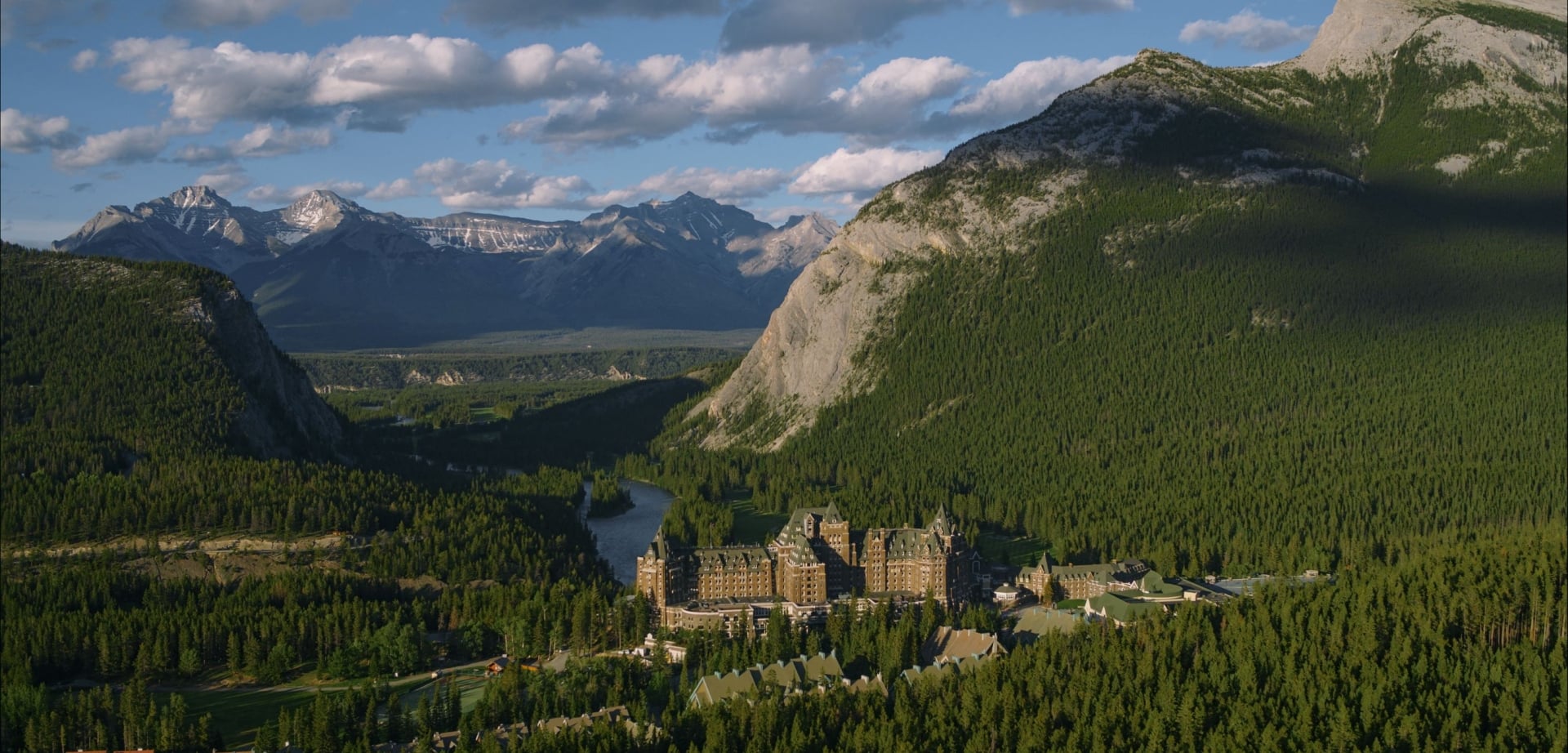
The Canadian Rockies without the tour-bus energy. Three nights in a mountain town that earned its reputation before Instagram existed. Turquoise lakes that look Photoshopped in real life, elk walking through downtown at 7am, and a hotel with a hot spring that's been open since 1888.
:max_bytes(150000):strip_icc()/TAL-lead-image-HOTSPRINGSNP0725-cae3ecfefe4042558c9aa48b9a35ecdd.jpg)
Bathhouse Row in a national park, a mid-century motor lodge with thermal water piped into the rooms, and a town that never forgot what it was built for. Hot Springs isn't a spa resort pretending to be authentic — it's the original American spa town that happens to still work.

A mountain town at 4,118 feet where Atlanta people go to disappear for a weekend. Main Street antiques, waterfalls that require actual hiking boots, and the Old Edwards Inn holding down the center like it has since 1878. Go in October when the fog rolls in at 4pm and the town earns its name.

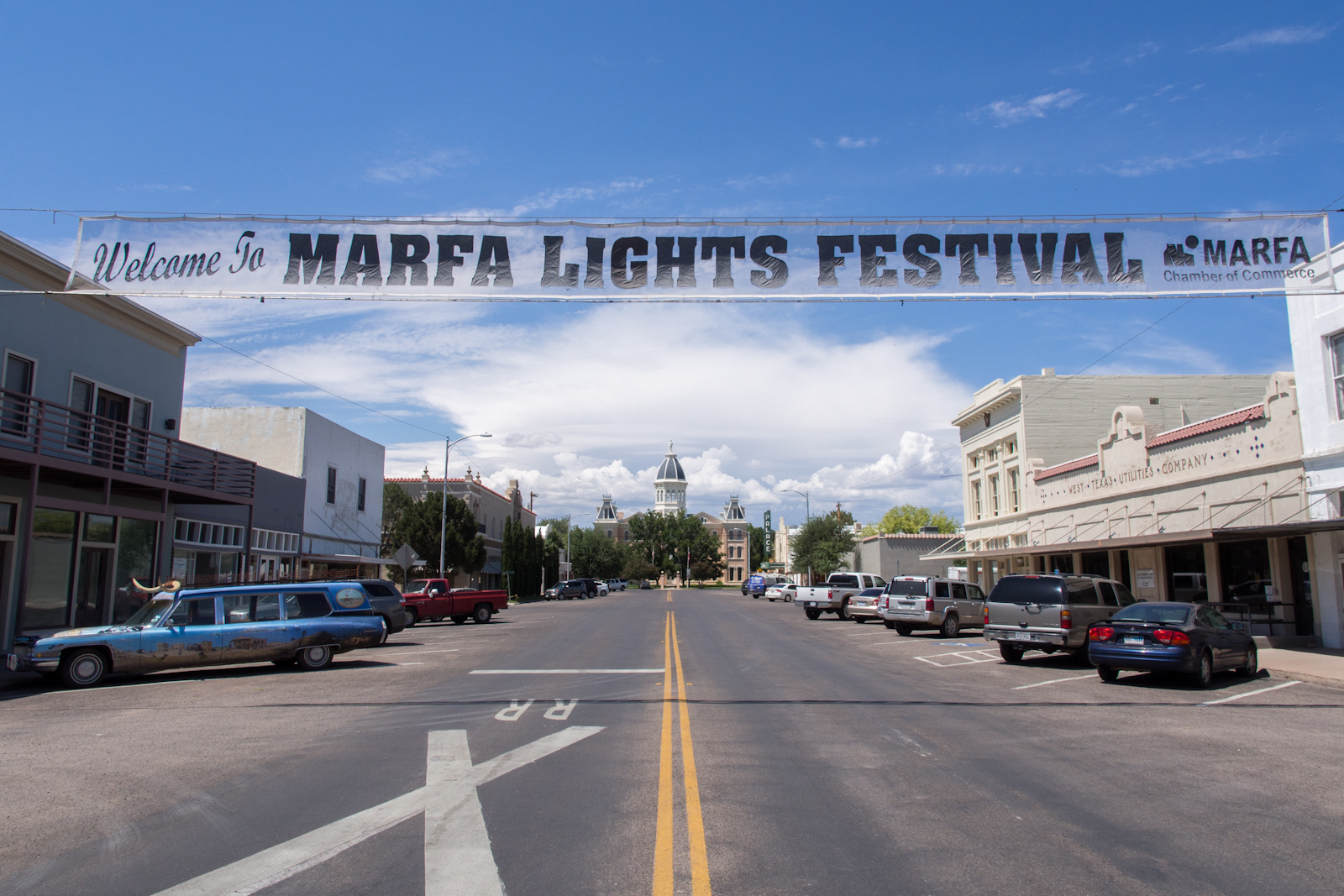
Six hours west of Dallas, the desert town that art made famous finally lives up to the hype. Chinati Foundation installations in old artillery sheds, a hotel that used to be a water-stop tavern, and a sky so dark the Milky Way looks fake. Marfa works because it never tries.
Two hours down the coast to a one-square-mile village where the sidewalks are optional and the cypress trees do more work than the marketing. Stay at La Playa Carmel — the 1904 estate where Doris Day used to live upstairs — and spend a weekend walking to everything that matters.

Two hours from the Bay Area, a lake so blue it looks fake and a single hotel that figured out how to be serious without being a ski resort. Sunnyside sits directly on the water in Tahoe City — lake-view rooms, a deck that gets afternoon sun even in January, and a dining room where locals eat dinner.

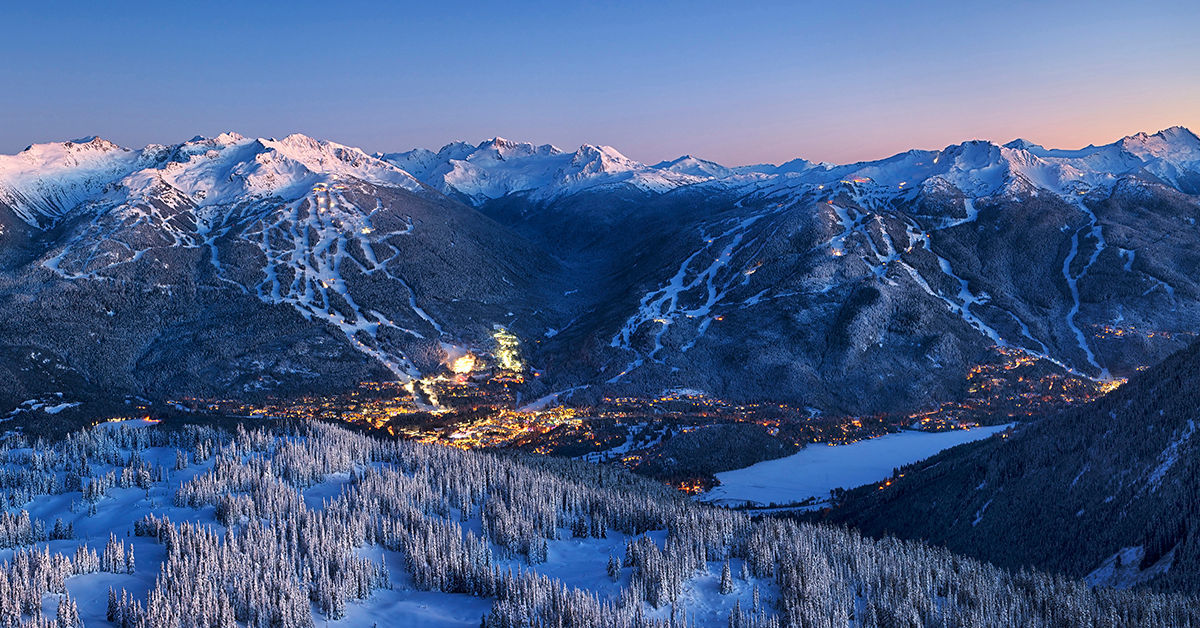
Two hours north of Vancouver, Whistler works year-round if you skip the obvious months. Late September or late May — the lifts are closed, the village is half-empty, and the Fairmont still runs like the Fairmont. Hiking the alpine meadows or mountain biking the trails nobody talks about until you're already there.

Three hours north on the Cascades, you step off into a city where the mountains meet the water and nobody's pretending it's casual. Granville Island for lunch, Stanley Park when the light's right, dinner in Gastown where the servers know wine regions by soil composition.

Three hours north of San Francisco, Mendocino sits on bluffs above the Pacific with no beach access and no apologies. The town is eight blocks of carpenter gothic and redwood water towers. Go in October when the fog's back and the crowds aren't.

Two hours on the Washington State Ferry, then you're on San Juan Island with a rental bike and a room at a 1907 inn that still remembers when this was the end of the world. Roche Harbor at sunset, lime kilns in the morning, dinner where the fishermen eat.
90 minutes up the 101, you turn inland and the air changes. Ojai is what happens when a California valley town stays small on purpose — orange groves, one main street, a pink sunset that earned its reputation. Two nights at the Ojai Valley Inn gets you the version of the town that spa-only weekends miss.

Two and a half hours east of LA, Joshua Tree National Park sits at the edge of the Mojave — boulders stacked like sculptures, sunsets that change the rocks every ten minutes, and a town small enough that you'll recognize the bartender on your second night. Stay at a mid-century desert lodge where the pool faces the mountains and every room opens to the rocks.

Tulum still works if you know when to be where. Early mornings at the ruins before the tour buses, lunch in town not the beach zone, a cenote swim at 3pm when everyone else is napping off mezcal. The jungle boutique hotels are real — pick one that was there before the influencer wave.

A Victorian island in Lake Huron where cars have been banned since 1898. You arrive by ferry, check into the Grand Hotel with its 660-foot porch, and spend two days moving at the speed of a horse-drawn taxi. Fudge shops are unavoidable but the island is bigger than its kitsch.

Four hours up the coast to Ventana Big Sur, where the redwoods meet the cliffs and the fog rolls in around 4pm. Two nights of silence, fire pits at sunset, a Japanese bathhouse built into the hillside. Big Sur stops being a drive-through when you give it a weekend.

A Mississippi River town that peaked in 1850 and knows it. Main Street still runs on brick and iron storefronts, the best hotel is an 1855 mansion on a hill, and the whole town shuts down by 9pm in a way that feels like the point. Go in October or March when the tour buses stay home.

Two hours north of Boston to a Vermont town that knows what it's doing in October and May better than it does in February. The Trapp Family Lodge sits on 2,500 acres of meadow and forest — yes, that Trapp Family — with trails that empty by 4pm and a dining room where dinner still means three courses.

Four hours north of Chicago, Door County stops being a summer destination in late September and becomes something better. Orchards you can walk through, fish boils that aren't performance art, a peninsula that empties out the week after Labor Day.

Four days in the world's northernmost capital — a city that runs on geothermal heat and closes its restaurants at 10pm. Blue Lagoon is fine but the city pools are better. The Golden Circle is a rental car cliché. Stay in town, eat fermented shark once, drink coffee four times a day.
:max_bytes(150000):strip_icc()/TAL-lead-image-NEWPORTRI1225-4673b07b041049879710ee860e43bee9.jpg)
The Gilded Age mansions are there year-round, but the town belongs to you after Columbus Day. Cliff Walk without the crowds, oysters at a corner bar that's been shucking since 1989, a harbor-view hotel that drops its rates when the yachts leave.

A three-night reset in the Blue Ridge foothills — the Omni Grove Park Inn on the mountain, Biltmore Village for bookstores and bread, and enough good coffee and breweries to justify the drive twice over. Go in October or April when the leaf-peepers and summer crowds are somewhere else.

Seventeen hours door-to-door to see the waterfall that makes Niagara look like a lawn sprinkler. Stay at the Victoria Falls Hotel — the pink colonial relic that's been here since 1904 — and walk to the falls before breakfast while the spray catches morning light. Zimbabwe earns the flight.

Two hours north of the city, a corner of Connecticut that knows what it is — white clapboard towns, bookstores that matter, a Saturday farmer's market where the vegetables look like they posed for a photo. Stay at Winvian Farm where your room is a helicopter or a stable or a treehouse, because sometimes absurd is exactly right.

Skytop Lodge has been in the Poconos since 1928 and hasn't tried to become something it isn't. Lake, golf, archery, fireplaces, three meals a day in a dining room that means it. Go for the version of the Poconos that was there before the heart-shaped tub jokes.
Three nights, one new country. Done by Sunday night.

Direct flight to a city where every neighborhood feels like a different decade. Alfama's tile and trams, Bairro Alto's night energy, Belém's custard tarts at the source. Lisbon works because it never tried to become Barcelona.
A Channel Island that still runs on its own time. Castle ruins on clifftops, butter that costs what it should, and zero cars on Herm Island. Four nights gets you past St. Peter Port and into the version of Guernsey where the locals surf in October and dinner happens at 7pm because the ferry stops running.
A 50-minute flight to an island that earns more than the cruise-port version you've heard about. Stay on Paradise Island at the pink hotel that matters, eat conch salad at a shack where the line forms at noon, and take the 20-minute ferry to Harbour Island for the day that justifies the whole trip.
Punjab's industrial capital isn't on anyone's India itinerary, which is exactly why it works. The dhaba belt on GT Road serves the best butter chicken you'll eat anywhere, the wool market opens at 5am, and the Sikh gurdwaras feed 50,000 people a day for free. Four nights gets you past Delhi's chaos into the India that actually makes things.

The Canadian Rockies without the tour-bus energy. Three nights in a mountain town that earned its reputation before Instagram existed. Turquoise lakes that look Photoshopped in real life, elk walking through downtown at 7am, and a hotel with a hot spring that's been open since 1888.

Four days in a city that eats dinner at 10pm and means it. Palermo Soho for coffee and leather goods, San Telmo for the Sunday market that locals actually attend, and a parrilla where the waiter brings you exactly what you need without asking. BA is the European-feeling city that costs half what Europe does.

Gaudí in the morning, vermouth at noon, dinner at 10pm. Barcelona is the rare European city where you can skip the museum line, eat like you mean it, and still see the thing everyone flies here to see. Four days gets you past the Ramblas tourists and into the neighborhoods that matter.

Three nights in Colombia's walled city where the heat slows you down in the right way. Ceviche at lunch, rum on a rooftop at dusk, cobblestones that turn gold at sunset. Direct from Atlanta means you're sitting in the Old Town by dinner.

Direct from Dulles to a city that runs on bicycles and brown cafés. Stay in the Jordaan, eat Indonesian food better than you'll find in Indonesia, spend an afternoon at the Rijksmuseum that doesn't feel like homework. Amsterdam rewards the long weekend more than the blur-through.

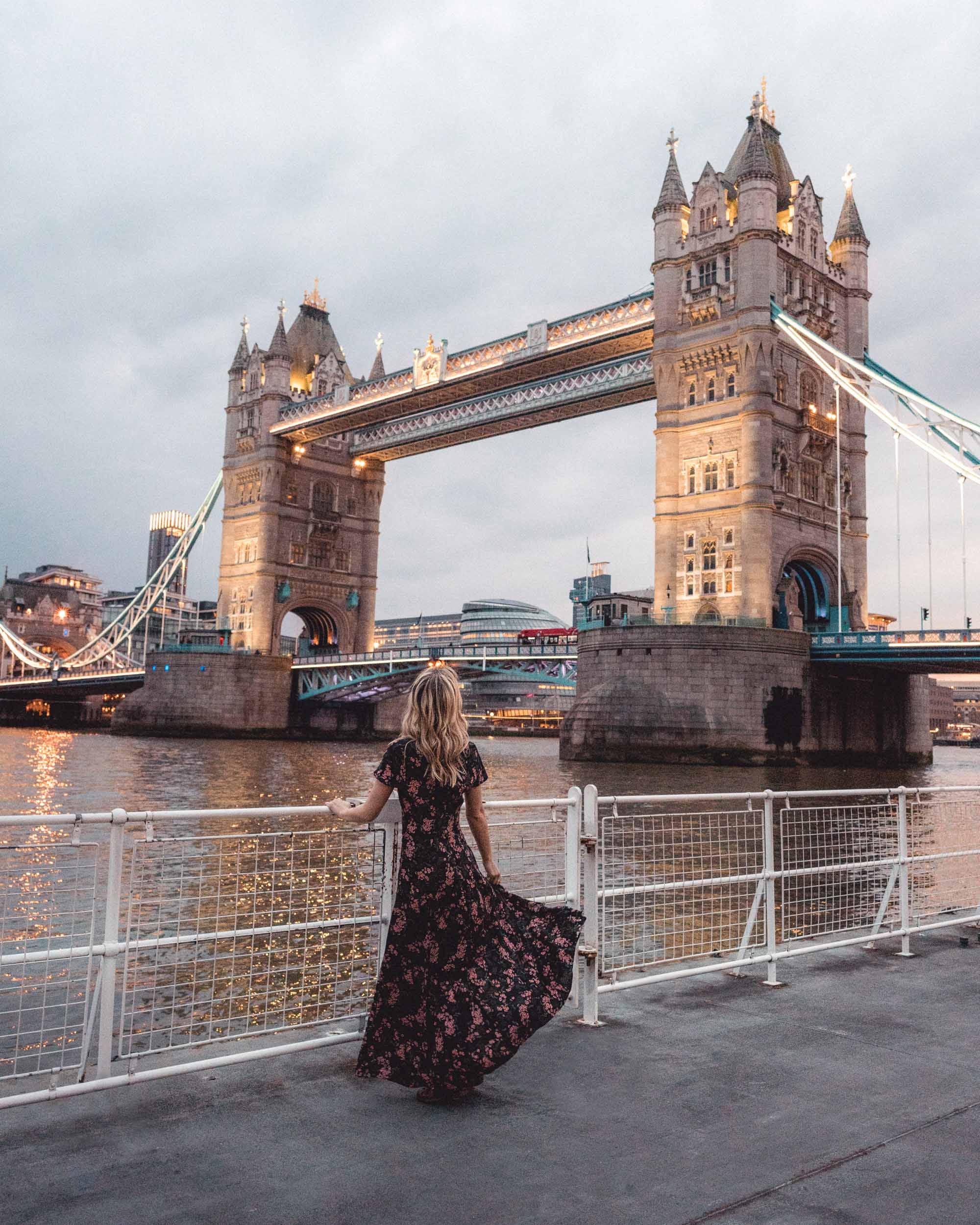
A direct flight to Heathrow and you're in a city that earns its density. Borough Market at 9am, the Tate Modern at 3pm, a pub in Clerkenwell that's been there since 1720. London works because you can walk between centuries in twenty minutes.

Four days in the world's northernmost capital — a city that runs on geothermal heat and closes its restaurants at 10pm. Blue Lagoon is fine but the city pools are better. The Golden Circle is a rental car cliché. Stay in town, eat fermented shark once, drink coffee four times a day.

Four days in Rome is the right amount of time to stop rushing. Trastevere at dusk, a real trattoria where the waiter doesn't have a printed menu, the Borghese Gallery on a Tuesday morning when everyone else is at the Colosseum. Book the flight, skip the tour groups, eat the cacio e pepe.

Six hours door-to-door if you take the overnight, which you should. Wake up on the Rue de Rivoli, walk to Broken Arm for coffee, spend the afternoon at Merci or the Rodin Garden depending on weather. This is the trip for people who think they've outgrown Paris weekends.

A direct flight to a city that out-eats, out-museums, and out-drinks most European capitals for half the price. Roma Norte mornings, Centro Histórico afternoons, and enough tacos al pastor to redefine your relationship with pork. Stay at a Condesa hotel where the courtyard matters more than the lobby.

Seventeen hours door-to-door to see the waterfall that makes Niagara look like a lawn sprinkler. Stay at the Victoria Falls Hotel — the pink colonial relic that's been here since 1904 — and walk to the falls before breakfast while the spray catches morning light. Zimbabwe earns the flight.
Drafted by our agent, kept on the list when they hold up. Labeled honestly.

Direct flight to a city where every neighborhood feels like a different decade. Alfama's tile and trams, Bairro Alto's night energy, Belém's custard tarts at the source. Lisbon works because it never tried to become Barcelona.
Three hours north of Newark, you're in a town with a general store that still matters and a swimming hole the locals protect like a secret. Memorial Day weekend means the Norman Rockwell Museum is open, the ice cream stand has its first real line, and the inn serves dinner on the porch again. Bring the kids — this is the trip that earns the drive.
A Channel Island that still runs on its own time. Castle ruins on clifftops, butter that costs what it should, and zero cars on Herm Island. Four nights gets you past St. Peter Port and into the version of Guernsey where the locals surf in October and dinner happens at 7pm because the ferry stops running.
A Southern city that earned its reputation the hard way — 300 years of cooking, a peninsula you can walk in an afternoon, and a restaurant scene that doesn't need to announce itself. Three nights gets you past the carriage tours and into the oyster bars that matter.
Three hours up the Northway to mineral springs that have been drawing New Yorkers since before your great-grandparents. Roosevelt Baths for the real deal, Congress Park for the afternoon walk, a porterhouse at 15 Church that costs what it should. Two nights gets you the spa day and the Sunday morning you didn't know you needed.
Twenty minutes north of downtown San Diego, La Jolla is the version of Southern California that earned the reputation. Seals on the rocks at Children's Pool, a tasting menu at Addison that costs less than it should, and a Saturday morning at the Farmers Market that reminds you why people move here.
An hour by ferry from San Diego, you step off the boat into a town with no cars, no chains, and a 1929 casino that never saw a roulette wheel. Two nights gets you past the day-tripper crowds and into the version of Catalina where you hike the interior at sunrise and eat swordfish on the waterfront at 7pm.
A mountain lake two hours from San Diego that earns the drive. Cedar cabins with woodstoves, dinner at a trout house that's been here since 1952, and the kind of cold morning air that makes you understand why people keep coffee mugs by the bed. Two nights gets you the lake loop, the bakery everyone drives up for, and the version of Big Bear that isn't jet skis in July.
Two hours east of San Diego into a desert town that got modernism right the first time. Mid-century houses that photograph themselves, a tram that takes you 8,000 feet up in twelve minutes, and hotel pools designed by people who understood that water in the desert is the whole point.
An hour south of Portland, the valley that makes the Pinot Noir Oregon is known for. Small-production wineries you visit by appointment, a farm-to-table dinner scene that predates the term, and a restored farmhouse hotel where the breakfast eggs come from the property. Two nights gets you four wineries, one long lunch, and the version of wine country that hasn't been Napa'd yet.
A Victorian-era fishing town at the mouth of the Columbia, 90 minutes from Portland. Cannery Row buildings that became breweries, a riverwalk that goes somewhere, and a hotel in a converted 1920s mill where you can see the ships from the bathtub. Two nights gets you past the Goonies house and into the version of Astoria that earns the drive.
An hour east of Portland on I-84, where the Columbia Gorge turns into a wind tunnel and the town that grew up around it knows exactly what it is. Kiteboarding if you're into it, wine tasting if you're not, a hotel with a rooftop bar where you watch both happen at once.
Haystack Rock at low tide, clam chowder that justifies the drive, and a hotel where the fireplace faces the ocean. Two nights gets you past the photo-op and into the version of the Oregon coast where dinner is at 6pm and the fog is the point.
Four nights on a 34-mile barrier island where the Gulf meets the Laguna Madre. Sea turtle season runs May through September. The birding is better than the beach bars, but the beach bars earn their place after a day on the water. Stay at Isla Grand for the balcony that faces both.
Three nights on the Texas coast for the breakfast tacos, the Selena mural, and a barrier island with 60 miles of sand you can drive on. Corpus is the Gulf trip Houstonians take when they want seafood that tastes like the water it came from, not the cruise port most people think it is.
Two hours north of Phoenix and 5,000 feet cooler. A town square with an actual courthouse, pine trees that don't belong in Arizona, and a whiskey bar in a building older than statehood. Stay at a Victorian that survived the territorial days, eat dinner at a place that doesn't need a website.
Two hours south, the desert city that got food right before Phoenix did. Sonoran hot dogs at midnight, a tasting menu in a converted gas station, and a mid-century motel with a pool that photographs better than it has any right to. Stay downtown, walk 4th Avenue twice.
Three nights at the South Rim in a stone lodge built in 1935. You wake up to the canyon from your room, hike the Rim Trail at sunrise before the tour buses arrive, and eat elk at a restaurant that overlooks the thing itself. The Grand Canyon earns the superlatives—GOOT's job is to tell you when to go and where to stay.
Two hours north of Phoenix, the elevation changes everything. Ponderosa pine forests at 7,000 feet, a downtown that never became a strip mall, and the kind of burger-and-beer lunch that resets a week of bad decisions. Summer means 70° highs when the Valley's hitting 110°. Winter means actual snow.
Red rocks that photograph better in person, a spa town that earned it, and hiking that starts at your hotel door. Three nights gets you past the vortex tour buses and into the version of Sedona where the light at 7am is the main event.
Two hours east of Nashville, the Smokies' main drag got loud somewhere in the 1970s and never looked back. The GOOT move is staying above it all at Blackberry Farm, eating what Foothills Parkway looks like at 7am, and doing exactly one tourist thing on purpose — the Roaring Fork Motor Nature Trail before the RVs wake up.
Three hours down I-40 to the city that invented American music and refuses to let anyone forget it. Beale Street is for tourists. The real Memphis is Central BBQ at noon, Stax Museum in the afternoon, and a juke joint in South Memphis where the band starts at 11pm and nobody's checking their phone.
Two and a half hours up I-65 to a city that's figured out how to do bourbon without the bachelorette party energy. Whiskey at a distillery that still makes barrel char by hand, dinner at a chef-owned place that sources from the same farms Thomas Keller calls, a hotel in a converted warehouse where the coffee is legitimately good.
Two hours down I-24, you walk into a city that rebuilt itself around a riverfront and the kind of downtown people actually want to be in after dark. The Tennessee Aquarium isn't the point — the point is St. John's for dinner, the Walnut Street Bridge at sunset, and a hotel in the Southside that used to be a Coca-Cola bottling plant.
A mountain town that traded its hippie reputation for a restaurant scene worth the drive. Three nights in a neighborhood that isn't downtown, mornings at High Five Coffee, dinner at Cúrate where the gin and tonic comes with a proper pour. The Blue Ridge Parkway is there if you want it, but the trip works without leaving city limits.
Two hours north of Chicago by car, Lake Geneva is the Midwest town that figured out how to be a resort without turning into one. Stone mansions from when the Wrigleys summered here, a public path that loops the entire lake, and a Friday-night fish fry that costs $18 and comes with three sides.
A two-street town on Lake Superior where the ferries to the Apostle Islands leave from the same dock where the fishing boats unload. Three nights gets you a kayak morning, a fish boil at sunset, and the kind of bookstore browsing that only works when there's nothing else competing for the afternoon.
A peninsula two states over that Wisconsin has been keeping to itself. Cherry orchards in June, fish boils year-round, and a coastline where the sun sets over water that looks like Michigan but isn't. Three nights gets you past the fudge shops in Sister Bay and into the version of Door County where the pie comes from an actual farm.
A port city on the north shore of the world's biggest lake. Grain elevators against black water, a brewpub in a century-old warehouse, a morning hike that ends at a waterfall you can walk behind. Two nights gets you past the Aerial Lift Bridge selfie and into the version of Duluth that locals defend.
A 50-minute flight to an island that earns more than the cruise-port version you've heard about. Stay on Paradise Island at the pink hotel that matters, eat conch salad at a shack where the line forms at noon, and take the 20-minute ferry to Harbour Island for the day that justifies the whole trip.
A barrier island in the Gulf where the shells pile up and the speed limit is 35. Four nights at a quiet resort with a lap pool, a fish taco truck that parks at Bowman's Beach at 11am, and a sunset that happens over water warm enough to wade into. This is Florida before it became a brand.
Two hours south on the Overseas Highway to the fishing village that hasn't turned into Key West yet. Tarpon at sunrise, stone crab at lunch, sunset at a tiki bar where the bartender knows the depth chart. Three nights is enough to fish once, eat well twice a day, and stop checking your phone by Saturday.
A three-hour drive to the end of US-1, where the Atlantic meets the Gulf and the breakfast mojito is culturally correct. Three nights gets you past the Duval Street T-shirt shops and into the version of Key West where locals eat yellow-tail snapper at 2pm and the sunset is something you watch from a dock, not a cruise-ship pier.
Five hours by car to a city that runs on its own clock. Breakfast at 11am after the second-line parade you followed for six blocks. Oysters at a marble counter where the shucker knows your face by day two. A hotel on Magazine Street where the morning coffee comes with beignets that aren't from Café Du Monde.
Three hours west on I-10, you're in a city that thinks it's cooler than Houston and might be right. Breakfast tacos that cost $4, a hotel pool designed by a real architect, and a Saturday night on Rainey Street that ends at 2am at a food truck that wasn't there last year.
An hour from Houston, a 19th-century port town with architecture that survived the hurricane and seafood that tastes like the Gulf it came from. The Strand at sunset, oysters at Gaido's, a hotel on the seawall that understands what a beach weekend should cost.
A Colorado ski town that stayed small on purpose. Elk Avenue is eight blocks of Victorian storefronts and one excellent taco truck. Four nights gets you two powder days, one afternoon at the Nordic center, and dinner at a restaurant that sources from the valley it sits in.
Rocky Mountain National Park's front door, minus the national park crowds if you time it right. Two nights at a lodge where elk graze the lawn at dawn, a sunrise hike before the parking lots fill, and a dinner at a restaurant that earned its reputation before Instagram existed.
A ski town that still has ranchers. Four nights gets you past the Champagne Powder marketing and into the hot springs at 9pm, the brewery that cowboys actually drink at, and a mountain that hasn't been Aspened yet. Fly into Denver, drive three hours, leave the rental at the hotel.
A box canyon at the end of the road with a ski town that never sold out. Main Street fits eight blocks between two cliffs, the gondola's free, and the après scene peaks at 4pm before everyone goes home to cook. Four nights gets you past the first day's altitude headache and into the rhythm of a place that closes half its restaurants on Tuesdays because it can.
Four nights in a ski town that stopped pretending it wasn't expensive decades ago. December powder if you time it right, aprés at a bar where CEOs wear fleece, dinner at Matsuhisa where the toro costs what it should. Aspen earned its reputation — the move is leaning in, not apologizing for it.
A Gulf Coast beach town that never went condo. Three miles of hard-packed sand you can drive on, oysters at a shack with picnic tables, and a fishing pier that closes when the red drum stop biting. Port A is the Texas coast before developers figured out what to charge for it.
An hour and twenty minutes down I-35 for breakfast tacos that cost $2.75, a river that winds through downtown without the Disney version, and a hotel in King William that used to be a brewery. Two nights gets you past the Alamo photo and into the San Antonio that locals defend when someone says Austin's better.
Six hours west of Austin, a town of 1,700 people has better art installations than most cities and a taco truck that closes when it closes. Three nights gets you past the Prada hoax and into the version of Marfa where you're up at sunrise for the light, not the Instagram.
Texas Hill Country wine town an hour west of Austin. German bakeries at 7am, limestone tasting rooms that close at 5pm, a Sunday drive home through wildflowers if you time it right. Two nights gets you past the Main Street tourists and into the vineyards that don't advertise.
A cabin with a porch that looks at mountains, not neighbors. Two hours west of DC, you're on Skyline Drive by lunch, sitting in front of a fire pit by dinner. No agenda except the hike you pick in the morning and the bottle of wine you open at 4pm.
Three hours from Seattle, the Peninsula is the Pacific Northwest trip that earns the drive. Rainforest hikes that empty after the first mile, tide pools at Rialto Beach, a lodge dinner where the elk walk past the window. Three nights splits the difference between coast and forest without feeling like you're packing up every morning.
Two hours up the mountain for three nights of proper skiing without the Mammoth drive. A lodge with a fireplace you'll actually use, après at a brewery that opened in a 1940s cabin, and snow that LA forgot exists until they're in it.
A college town that grew up without losing the farmer's market. Two and a half hours from Chicago gets you Saturday morning on the Capitol Square with cheese curds that cost $4 and taste like the reason Wisconsin matters. Stay on the isthmus, walk the lakes, eat dinner at a restaurant that would work in any city but costs what it should here.
A Lake Michigan beach town 90 minutes from Chicago, where the sand is actual sand and the wine bars close at 9pm. Two nights gets you a Saturday on the beach, a Friday-night dinner that earns the drive, and a Sunday morning at the farmers market before the route back is all brake lights.
Two hours on Amtrak and you're in Park Slope or Williamsburg without touching Manhattan. Coffee roasters that ship nationwide, a natural wine bar where the bartender remembers your second glass, oysters at a corner spot that doesn't take reservations because it doesn't need to. Brooklyn is the weekend move when you want a city trip that doesn't feel like sightseeing.
A river town forty minutes from Philadelphia where the antiques are real and the restaurants are better than they should be. Two nights gets you through Saturday's antique crawl, Sunday morning at the farmers market, and dinner at a BYOB that's been written up in Bon Appétit twice.
Pennsylvania wine country an hour west of Philly. Chaddsford and Galer Estate make wines that don't apologize for not being Napa. Sleep at an 18th-century inn with a Michelin-starred restaurant, walk the Wyeth museum grounds, eat lunch at a farm stand that becomes dinner conversation.
Mass MoCA in the morning before the busses arrive, a long lunch at Allium, James Turrell's sky-space at sunset. Three nights in the Berkshires is the culture weekend that doesn't make you choose between the museum and the hike — you do both, then eat dinner somewhere that sources from farms you drove past.
Gilded Age mansions on a cliff walk, oysters that cost what they should, and a harbor town that earned its reputation before Instagram. Two nights gets you past the Breakers selfie line and into the Newport that sailors and old money still recognize.
Two hours up the coast, you walk off the bus into a port town that got serious about food before anyone else was paying attention. Lobster rolls that cost what they should, a small hotel overlooking Casco Bay, and a Friday night that ends at Eventide around 9pm because that's when the oyster counter gets good.
A college town that figured out how to feed people between band practice and football Saturdays. REM's hometown has a coffee scene that puts most cities to shame, a BBQ spot where the pitmaster used to play drums, and a hotel in a century-old foundry that makes you forget you drove 70 minutes from Atlanta.
Two hours north of Atlanta, a riverfront city that fixed itself without turning into Asheville. Rock City if you're into that, but the real move is the St. Elmo neighborhood for dinner, a night at the Dwell Hotel, and a morning coffee at Velo that makes you wonder why you don't leave town more often.
Four hours through the Smokies to a mountain town that figured out beer and breakfast before the rest of the South caught up. Two nights gets you the Biltmore if you want it, the breweries if you don't, and a Sunday morning drive on the Blue Ridge Parkway when it's still yours.
A city where the moss hangs low and the restaurants close at 10pm because nobody's in a hurry. Forsyth Park in the morning, oysters at The Grey for lunch, bourbon on a second-floor porch after dark. Three nights gets you past the trolley tours and into the squares that actually matter.
A barrier island 15 minutes from Atlantic City that figured out how to stay quiet. Miles of dune-backed beach where you can still hear the waves, a seafood shack that locals defend like a state secret, and a sunset over the bay that costs nothing but the 20-minute drive from your rental.
A Victorian beach town at the tip of New Jersey that never went corporate. Wide porches, painted gingerbread, a beach that empties out by 5pm. Three nights gets you past the Painted Ladies walking tour and into the version of Cape May where you pick one restaurant and go back twice.
A cabin in the woods two hours from Newark. No Wi-Fi you'll miss, a fireplace that works, and a Saturday morning hike that ends at a diner where the pancakes are the size of the plate. This is the trip where you remember what quiet sounds like.
Two hours west into Amish country for the dinner table version of slow travel. A 1700s inn where the butter comes from the farm next door, breakfast that starts at 7:30am, and a weekend where the point is sitting on a porch with a book until someone rings the dinner bell.
Pennsylvania wine country nobody talks about yet, with a main street of antiques dealers who actually know what they're selling. Two hours from Newark gets you a weekend of Chambourcin that costs what it should, mid-century chairs you can still afford, and a dinner at a farm restaurant that would have a Michelin star if it were 90 miles closer to the city.
Three nights at the Jersey Shore town that doesn't feel like the Jersey Shore. Victorian gingerbread houses, a beach that doesn't have a boardwalk, and a downtown where the restaurants close in January because the chefs actually care. Stay at Congress Hall, eat dinner at 8pm at Peter Shields, bike to Sunset Beach on Sunday morning.
Two nights in Rhinebeck — a town that runs on Main Street bookstores and farm-to-table restaurants that don't feel like a trend anymore. Sleep at a converted 1766 inn, eat dinner at a place that sources from three farms within ten miles, drive home Sunday with a trunk full of apples you picked yourself.
Three nights in Vermont's best ski town. Real mountains, a village that hasn't been turbo-Disneyfied yet, and a lodge with a hot tub that earns its place after a full day on the front four. Apres at the Matterhorn, dinner at Harrison's, a quad chair that runs when it should.
Punjab's industrial capital isn't on anyone's India itinerary, which is exactly why it works. The dhaba belt on GT Road serves the best butter chicken you'll eat anywhere, the wool market opens at 5am, and the Sikh gurdwaras feed 50,000 people a day for free. Four nights gets you past Delhi's chaos into the India that actually makes things.

High desert at 3,600 feet with 16 breweries and the Deschutes River running through town. Three hours south of Seattle, you're waking up to Cascade views, eating dinner at a chef-driven spot that doesn't advertise, and realizing the ski town you thought was just for winter works in August.

The Canadian Rockies without the tour-bus energy. Three nights in a mountain town that earned its reputation before Instagram existed. Turquoise lakes that look Photoshopped in real life, elk walking through downtown at 7am, and a hotel with a hot spring that's been open since 1888.

Four days in a city that eats dinner at 10pm and means it. Palermo Soho for coffee and leather goods, San Telmo for the Sunday market that locals actually attend, and a parrilla where the waiter brings you exactly what you need without asking. BA is the European-feeling city that costs half what Europe does.

Gaudí in the morning, vermouth at noon, dinner at 10pm. Barcelona is the rare European city where you can skip the museum line, eat like you mean it, and still see the thing everyone flies here to see. Four days gets you past the Ramblas tourists and into the neighborhoods that matter.

A city at 7,000 feet where the light actually does what the paintings say it does. Canyon Road galleries, green chile on everything, a hotel that's been here since the railroad came through. Santa Fe is the Southwest destination that doesn't try to be Sedona.
:max_bytes(150000):strip_icc()/TAL-lead-image-HOTSPRINGSNP0725-cae3ecfefe4042558c9aa48b9a35ecdd.jpg)
Bathhouse Row in a national park, a mid-century motor lodge with thermal water piped into the rooms, and a town that never forgot what it was built for. Hot Springs isn't a spa resort pretending to be authentic — it's the original American spa town that happens to still work.

Three nights in Colombia's walled city where the heat slows you down in the right way. Ceviche at lunch, rum on a rooftop at dusk, cobblestones that turn gold at sunset. Direct from Atlanta means you're sitting in the Old Town by dinner.

A mountain town at 4,118 feet where Atlanta people go to disappear for a weekend. Main Street antiques, waterfalls that require actual hiking boots, and the Old Edwards Inn holding down the center like it has since 1878. Go in October when the fog rolls in at 4pm and the town earns its name.

Six hours west of Dallas, the desert town that art made famous finally lives up to the hype. Chinati Foundation installations in old artillery sheds, a hotel that used to be a water-stop tavern, and a sky so dark the Milky Way looks fake. Marfa works because it never tries.

Three hours south on I-35, Austin stops being a tech-bro punch line the second you check into the Carpenter Hotel and walk to Launderette for dinner. East Sixth is still a mess, but Rainey Street after 10pm and Franklin's at 9am are both worth the specific effort.
:max_bytes(150000):strip_icc()/TAL-lead-image-PORTLANDME0725-9c5fa84ce659466c8a34f1ae742019c6.jpg)
Three hours south, a city that still has bookstores with chairs and restaurants that don't take reservations. Powell's until your feet hurt, natural wine in a former garage, a hotel that remembers when Portland was weird before it was a brand.
Two hours down the coast to a one-square-mile village where the sidewalks are optional and the cypress trees do more work than the marketing. Stay at La Playa Carmel — the 1904 estate where Doris Day used to live upstairs — and spend a weekend walking to everything that matters.

Two hours from the Bay Area, a lake so blue it looks fake and a single hotel that figured out how to be serious without being a ski resort. Sunnyside sits directly on the water in Tahoe City — lake-view rooms, a deck that gets afternoon sun even in January, and a dining room where locals eat dinner.

Two hours north of Vancouver, Whistler works year-round if you skip the obvious months. Late September or late May — the lifts are closed, the village is half-empty, and the Fairmont still runs like the Fairmont. Hiking the alpine meadows or mountain biking the trails nobody talks about until you're already there.

Two nights in Yountville — the town that built itself around The French Laundry and kept going. Walk to dinner at three restaurants that take reservations, bike through vineyards that don't charge tasting fees, sleep at a hotel that understands you're not here for a bachelorette party.

Three hours north on the Cascades, you step off into a city where the mountains meet the water and nobody's pretending it's casual. Granville Island for lunch, Stanley Park when the light's right, dinner in Gastown where the servers know wine regions by soil composition.

Three hours north of San Francisco, Mendocino sits on bluffs above the Pacific with no beach access and no apologies. The town is eight blocks of carpenter gothic and redwood water towers. Go in October when the fog's back and the crowds aren't.

Two hours on the Washington State Ferry, then you're on San Juan Island with a rental bike and a room at a 1907 inn that still remembers when this was the end of the world. Roche Harbor at sunset, lime kilns in the morning, dinner where the fishermen eat.
90 minutes up the 101, you turn inland and the air changes. Ojai is what happens when a California valley town stays small on purpose — orange groves, one main street, a pink sunset that earned its reputation. Two nights at the Ojai Valley Inn gets you the version of the town that spa-only weekends miss.

Two and a half hours east of LA, Joshua Tree National Park sits at the edge of the Mojave — boulders stacked like sculptures, sunsets that change the rocks every ten minutes, and a town small enough that you'll recognize the bartender on your second night. Stay at a mid-century desert lodge where the pool faces the mountains and every room opens to the rocks.

Tulum still works if you know when to be where. Early mornings at the ruins before the tour buses, lunch in town not the beach zone, a cenote swim at 3pm when everyone else is napping off mezcal. The jungle boutique hotels are real — pick one that was there before the influencer wave.

A Victorian island in Lake Huron where cars have been banned since 1898. You arrive by ferry, check into the Grand Hotel with its 660-foot porch, and spend two days moving at the speed of a horse-drawn taxi. Fudge shops are unavoidable but the island is bigger than its kitsch.

Four hours up the coast to Ventana Big Sur, where the redwoods meet the cliffs and the fog rolls in around 4pm. Two nights of silence, fire pits at sunset, a Japanese bathhouse built into the hillside. Big Sur stops being a drive-through when you give it a weekend.
90 minutes up the coast to a town that figured out how to be both a beach town and a wine town without losing either. Red tile roofs, white stucco, a harbor that still works. The American Riviera label is lazy — Santa Barbara is better than that.

Two hours and a ferry ride to the island that empties out after Labor Day and becomes itself again. Grey shingles, cobblestone Main Street, a harbor that still smells like a harbor. The Wauwinet is open through October and knows what it's doing.

A Mississippi River town that peaked in 1850 and knows it. Main Street still runs on brick and iron storefronts, the best hotel is an 1855 mansion on a hill, and the whole town shuts down by 9pm in a way that feels like the point. Go in October or March when the tour buses stay home.

Two hours north of Boston to a Vermont town that knows what it's doing in October and May better than it does in February. The Trapp Family Lodge sits on 2,500 acres of meadow and forest — yes, that Trapp Family — with trails that empty by 4pm and a dining room where dinner still means three courses.

Four hours north of Chicago, Door County stops being a summer destination in late September and becomes something better. Orchards you can walk through, fish boils that aren't performance art, a peninsula that empties out the week after Labor Day.

A Michigan harbor town that figured out how to be a beach destination without losing its mind. Galleries on Water Street, a dune climb that earns the lake view, and a hotel that used to be a chain saw factory. Two hours from Chicago and it feels like you crossed a border.
:max_bytes(150000):strip_icc()/TAL-lead-image-PORTLANDME0725-9c5fa84ce659466c8a34f1ae742019c6.jpg)
Two hours up I-95 to the Maine coast city that figured out how to be a food town without turning into a food scene. Lobster rolls that locals actually eat, a walkable peninsula, and a harbor that still works for a living. Stay at the Press Hotel in the old newspaper building and eat like you mean it.

Direct from Dulles to a city that runs on bicycles and brown cafés. Stay in the Jordaan, eat Indonesian food better than you'll find in Indonesia, spend an afternoon at the Rijksmuseum that doesn't feel like homework. Amsterdam rewards the long weekend more than the blur-through.

A direct flight to Heathrow and you're in a city that earns its density. Borough Market at 9am, the Tate Modern at 3pm, a pub in Clerkenwell that's been there since 1720. London works because you can walk between centuries in twenty minutes.

Forsyth Park at 7am, lunch on a wraparound porch, dinner somewhere that wasn't a carriage house in 1820. Savannah works because the grid itself is the itinerary — twenty-two squares in two miles, live oaks doing all the work. You don't need a ghost tour. You need a long weekend and shoes you can walk in.

Two hours south to a town that figured out how to be more than Monticello. The Corner for college-town energy, the Downtown Mall for dinner that matters, and enough vineyards within 20 minutes that you can pick the one where nobody's wearing a sash.

Colonial Williamsburg is still there, and it's still good — better, actually, when you're the one choosing to go. Stay at the Williamsburg Inn, where the lobby fireplace has been lit since 1937. Walk Duke of Gloucester Street at 8am before the interpreters clock in. This is the version of Williamsburg your teacher couldn't afford.

Four days in the world's northernmost capital — a city that runs on geothermal heat and closes its restaurants at 10pm. Blue Lagoon is fine but the city pools are better. The Golden Circle is a rental car cliché. Stay in town, eat fermented shark once, drink coffee four times a day.

Four days in Rome is the right amount of time to stop rushing. Trastevere at dusk, a real trattoria where the waiter doesn't have a printed menu, the Borghese Gallery on a Tuesday morning when everyone else is at the Colosseum. Book the flight, skip the tour groups, eat the cacio e pepe.

Six hours door-to-door if you take the overnight, which you should. Wake up on the Rue de Rivoli, walk to Broken Arm for coffee, spend the afternoon at Merci or the Rodin Garden depending on weather. This is the trip for people who think they've outgrown Paris weekends.

A direct flight to a city that out-eats, out-museums, and out-drinks most European capitals for half the price. Roma Norte mornings, Centro Histórico afternoons, and enough tacos al pastor to redefine your relationship with pork. Stay at a Condesa hotel where the courtyard matters more than the lobby.
:max_bytes(150000):strip_icc()/TAL-lead-image-NEWPORTRI1225-4673b07b041049879710ee860e43bee9.jpg)
The Gilded Age mansions are there year-round, but the town belongs to you after Columbus Day. Cliff Walk without the crowds, oysters at a corner bar that's been shucking since 1989, a harbor-view hotel that drops its rates when the yachts leave.
:max_bytes(150000):strip_icc()/TAL-bermuda-beach-BERMUDA0523-18b06e9646d6453ba9d38a1530fe0eb4.jpg)
Two hours from JFK to an island where the sand is actually pink and the rum swizzle was invented at the hotel bar you're staying at. Horseshoe Bay in the morning before the cruise ships dock, fish sandwiches in Hamilton, a moped if you're brave enough.

A three-night reset in the Blue Ridge foothills — the Omni Grove Park Inn on the mountain, Biltmore Village for bookstores and bread, and enough good coffee and breweries to justify the drive twice over. Go in October or April when the leaf-peepers and summer crowds are somewhere else.

Seventeen hours door-to-door to see the waterfall that makes Niagara look like a lawn sprinkler. Stay at the Victoria Falls Hotel — the pink colonial relic that's been here since 1904 — and walk to the falls before breakfast while the spray catches morning light. Zimbabwe earns the flight.
:max_bytes(150000):strip_icc()/Louisville-Skyline-3-2--488a6388ba5c49a0a2b007217225f0fc.jpg)
Louisville as home base, three distilleries picked for character over Instagram potential, a dinner at Jack Fry's that makes the case for Southern dining at its least showy. Kentucky whiskey tourism is everywhere now — this is the trip for people who want the bourbon without the bus tour.

Two hours north of the city, a corner of Connecticut that knows what it is — white clapboard towns, bookstores that matter, a Saturday farmer's market where the vegetables look like they posed for a photo. Stay at Winvian Farm where your room is a helicopter or a stable or a treehouse, because sometimes absurd is exactly right.

Three nights in Los Feliz and the Hollywood Hills — not the Walk of Fame. Chateau Marmont because it's the only hotel that makes sense if you're doing this right. Hikes at sunrise, tacos at noon, the kind of LA that people who live there actually like.