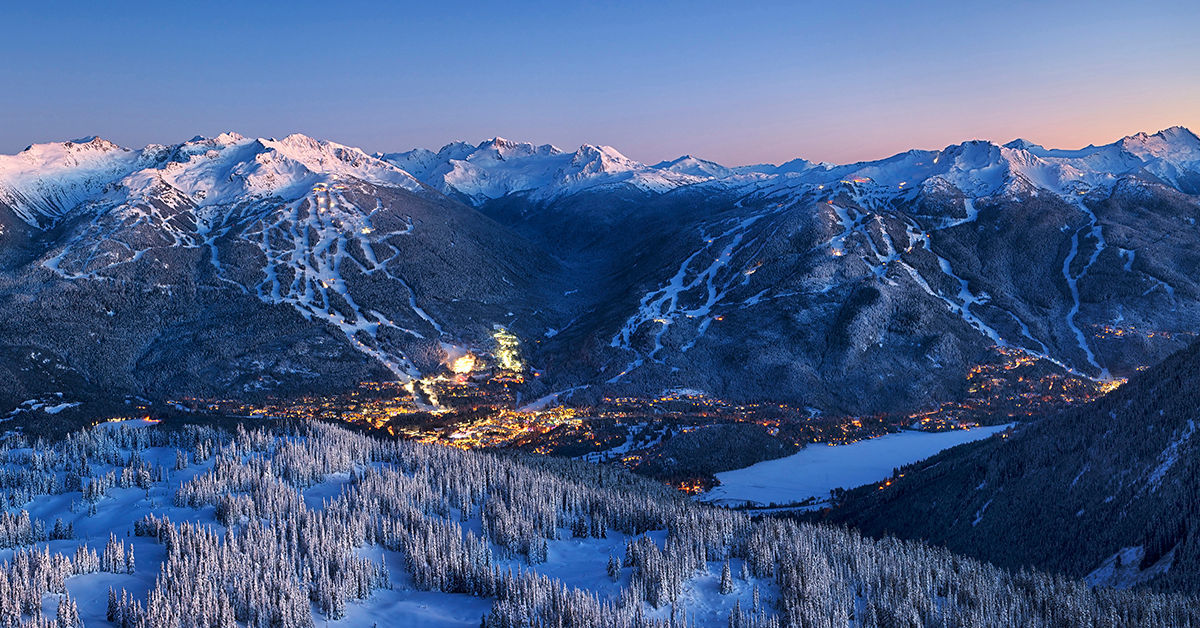
Places we'd send a friend with a free afternoon.
Ancient Cedars Trail, Cougar Mountain
★ 4.7
🥾 Hike📍 Cougar Mountain FSR, Whistler🕐 90 min loop💵 Free
Boardwalk through old-growth cedars wide enough that three people can't link arms around them. Almost nobody here because it's 20 minutes past Function Junction and TripAdvisor doesn't mention it.
Tip: The trailhead parking is unsigned — look for a small pullout 5km up Cougar Mountain FSR on your right.
📷 Scenic📍 2131 Lake Placid Rd, Whistler🕐 1 hr💵 Free to walk
Lakeside dock at Creekside, five minutes from the village but a different postal code in terms of crowd density. Sit with a coffee and watch paddleboarders fail in cold water.
Tip: The bar inside does a smoked old fashioned that's better than anything in the village proper.
🥾 Hike📍 Cheakamus River, off Sea to Sky Hwy near Function Junction🕐 45 min round trip💵 Free
Graffiti-covered boxcars from a 1956 derailment, now embedded in the forest. Suspension bridge over turquoise water that looks fake but isn't.
Tip: Go before 9am or the bridge becomes a photo queue for people who won't get out of your shot.
🎭 Culture📍 4350 Blackcomb Way, Whistler🕐 1–2 hrs💵 $18 adult
Emily Carr paintings and Northwest Coast masks in a building that doesn't feel like a ski resort sideshow. The permanent collection is small enough to see in an hour, good enough that you won't feel rushed.
Tip: Thursday evenings after 5pm are half-price, and the upper gallery is usually empty.
🍴 Eats📍 4242 Village Stroll, Whistler🕐 2 hrs💵 $$$
Northern Italian that's been here since 1983. Osso buco, handmade pasta, a wine list that doesn't assume you're leaving tomorrow. The kind of place where servers remember regulars from three years ago.
Tip: Ask for the upstairs corner table by the window — it's quieter and you can actually hear your conversation.
🍴 Eats📍 2151 Dowad Dr, Whistler Creekside🕐 90 min💵 $$
Locals' spot in Creekside. Venison tartare, duck fat fries, BC craft beer on tap. No one here is wearing Arc'teryx they bought yesterday.
Tip: The burger isn't on the main menu — ask for it anyway.
🍴 Eats📍 4369 Main St, Whistler🕐 20 min💵 $
Australian-style meat pies with enough flaky crust and filling weight to count as a meal. The butter chicken pie shouldn't work but does.
Tip: Get it to go and eat on the bench outside — the indoor seating is two stools and someone's always hovering.
Scandinave Spa Whistler
★ 4.7
📷 Scenic📍 8010 Mons Rd, Whistler🕐 3 hrs💵 $95 weekday
Hot-cold hydrotherapy in the forest. Eucalyptus steam, outdoor baths, silence rule enforced. You'll see why Scandinavians don't small-talk in saunas.
Tip: Book the 8pm slot — you get the baths mostly to yourself and stars overhead if it's clear.
Dubh Linn Gate Irish Pub
★ 4.3
🌙 After dark📍 4320 Sundial Crescent, Whistler🕐 2 hrs💵 $$
The rare resort-town pub that locals actually use. Live music on weekends, Guinness poured correctly, no DJ playing Chainsmokers remixes at midnight.
Tip: The back patio is heated and half the crowd of the main room.
Whistler Brewing Company
★ 4.4
🌙 After dark📍 1209 Alpha Lake Rd, Function Junction🕐 90 min💵 $$
Tasting room in the industrial area where rent is still possible. The Chestnut Ale is worth the drive, and food trucks rotate outside.
Tip: Bring a growler — fills are $15 and you'll want the IPA for the drive home.
🥾 Hike📍 Multiple access points, Whistler🕐 1–4 hrs💵 Free
Paved 40km loop connecting lakes and parks. Rent a bike or walk the Lost Lake section — nobody's timing you and the whole thing smells like pine.
Tip: Start at Meadow Park Sports Centre lot — you can park free and hit the best swimming spots on Lost Lake in 15 minutes.
Squamish Lil'wat Cultural Centre
★ 4.5
🎭 Culture📍 4584 Blackcomb Way, Whistler🕐 90 min💵 $20 adult
The only place in Whistler addressing whose land this actually is. Guided tours by Indigenous staff, longhouse replicas, bentwood boxes you'll understand after someone explains the steaming process.
Tip: The 11am tour is smaller and the guide has time to answer questions that aren't on the script.