Places we'd send a friend with a free afternoon.
Russian Gulch State Park
★ 4.6
🥾 Hike📍 12301 CA-1, Mendocino🕐 2–3 hrs💵 $8/vehicle
The waterfall trail cuts inland through second-growth redwoods to a 36-foot fall that actually runs in October. The coastal bluff walk dead-ends at a punch-bowl cove where waves detonate.
Tip: Park at the day-use lot, not the campground entrance — saves you a half-mile of pavement walking.
Mendocino Headlands State Park
★ 4.7
📷 Scenic📍 Main Street at Lansing, Mendocino🕐 1–2 hrs💵 Free
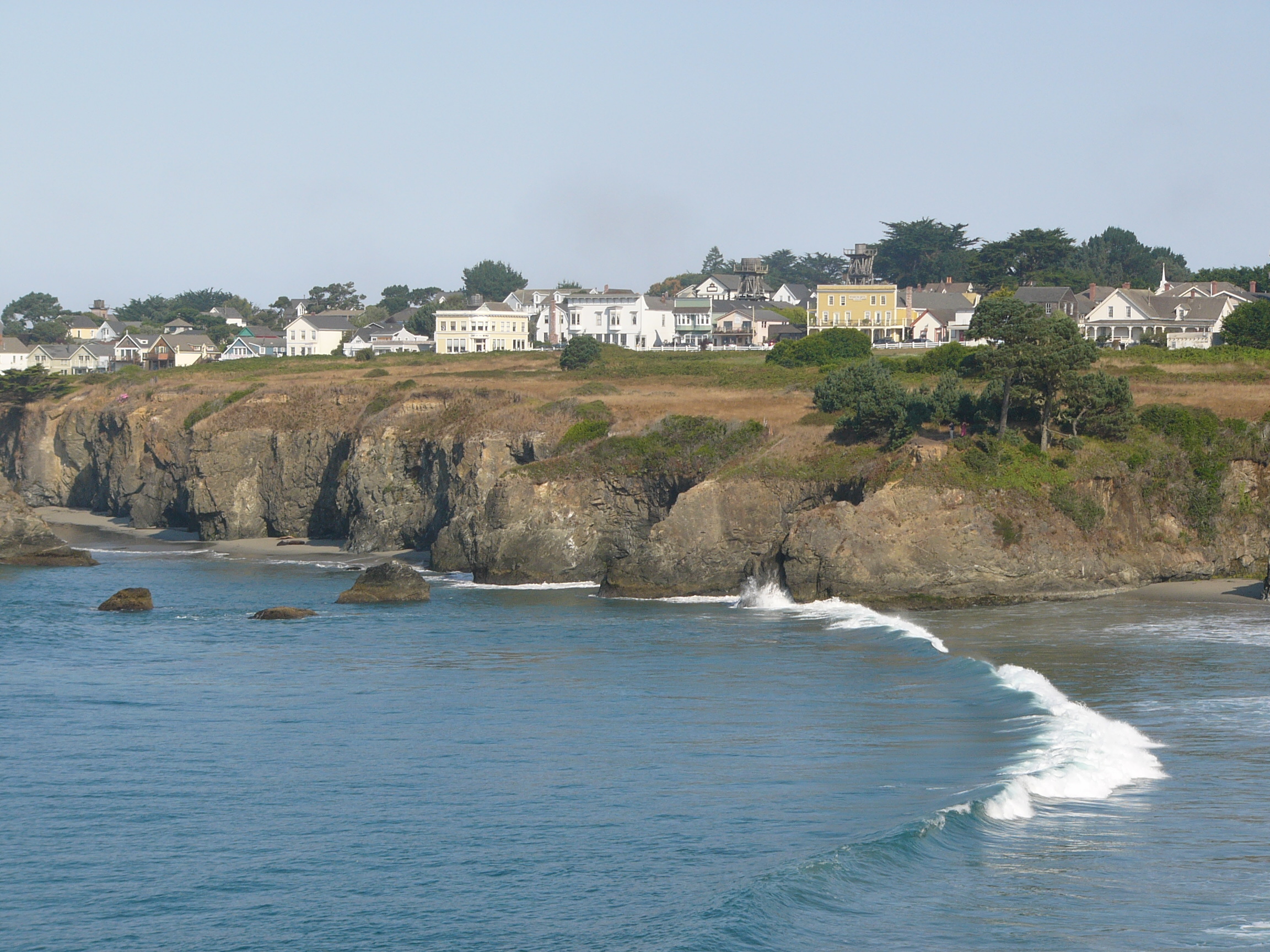
Three miles of bluff trail ring the town with no railings and hundred-foot drops to wave-cut arches. Fog catches in the coves at dawn, clears by ten.
Tip: Start at the Portuguese Beach access stairs — most tourists never walk past the Main Street overlook.
🎭 Culture📍 45007 Albion Street, Mendocino🕐 45 min💵 $5 suggested
Built in 1861, the house holds logging tools, Pomo baskets, and photos of the 1906 train wreck on Ten Mile River. The volunteer docents actually lived here in the seventies.
Tip: Ask about the smuggling tunnel rumor — there's a trapdoor in the pantry but the story keeps changing.
🎭 Culture📍 319 Kasten Street, Mendocino🕐 30 min💵 Free
Independent since 1962, shelves stacked floor-to-ceiling with California history, field guides, and a poetry section where someone actually curates. The wooden floors creak.
Tip: Check the staff picks table — they still handwrite the cards and they're never wrong.
Flow Restaurant & Lounge
★ 4.4
🍴 Eats📍 45040 Main Street, Mendocino🕐 1.5 hrs💵 $$$
Chef Jake Rand cooks Central Coast oysters in miso butter and serves Petaluma duck breast with sunchoke purée. The wine list leans Anderson Valley. Ocean-view tables book out, but the bar gets the same menu.
Tip: Order the fried brussels sprouts with fish sauce caramel as a starter — they're not on every menu reprint but they'll make them.
Frankie's Ice Cream & Treats
★ 4.6
🍴 Eats📍 44951 Ukiah Street, Mendocino🕐 20 min💵 $
Straus Family Creamery soft-serve in a shack with three picnic tables. The salted caramel swirl tastes like actual caramel, not extract.
Tip: Closes at 5pm in October — go after lunch, not after dinner.
🌙 After dark📍 10485 Lansing Street, Mendocino🕐 1–2 hrs💵 $$
Dark wood bar with North Coast Brewing on tap and a fireplace that's actually lit in fog season. Locals play cribbage in the corner booths.
Tip: Skip the food — come for a pint and the bartender's stories about the timber baron era mansions on Little Lake Road.
📷 Scenic📍 Big River Beach access, CA-1 south of town🕐 1 hr💵 Free
The estuary runs a mile inland through marsh and driftwood snags. Low tide exposes sandbars and heron tracks. No one's here at 7am.
Tip: Rent a kayak from Catch a Canoe if the wind's down — you can paddle three miles upriver without seeing houses.
MacCallum House Restaurant
★ 4.3
🍴 Eats📍 45020 Albion Street, Mendocino🕐 2 hrs💵 $$$
Victorian house turned restaurant serving Dungeness crab cakes and wild mushroom risotto in a greenhouse dining room. The Grey Whale bar next door does the same menu in a less formal room.
Tip: Book the Grey Whale bar instead — same kitchen, half the pretense, better cocktails.
Van Damme State Park Fern Canyon
★ 4.7
🥾 Hike📍 CA-1, 3 miles south of Mendocino🕐 2 hrs💵 $8/vehicle
Flat trail along Little River through sword ferns as tall as your shoulders and old-growth redwood stumps wide as dining tables. October rain brings the fungi out.
Tip: Drive to the second parking lot — the trail starts at the fire road gate, not the beach lot tourists use.
Mendocino Chocolate Company
★ 4.4
🍴 Eats📍 10483 Lansing Street, Mendocino🕐 20 min💵 $
Small-batch truffles in flavors like blackberry balsamic and cardamom. The drinking chocolate is 72% Valrhona and thick enough to coat a spoon.
Tip: Try the sea salt caramels before buying a box — they're assertively salty, not everyone's preference.