Places we'd send a friend with a free afternoon.
Dennis Severs' House
★ 4.7
🎭 Culture📍 18 Folgate St, Spitalfields🕐 1 hr💵 $$
A Georgian townhouse frozen in 1724. No labels, no guides—just ten rooms left as if the Huguenot silk-weaver family stepped out five minutes ago. Candles still burning, bread half-eaten.
Tip: Book the silent Monday or Wednesday evening visit—daylight kills the illusion.
🌙 After dark📍 Graces Alley, Whitechapel🕐 2–3 hrs💵 $$$
The world's oldest surviving music hall, 1859, peeling paint and twisted columns intact. Programming runs from opera to experimental theatre in a room that looks one storm away from collapse.
Tip: Sit in the balcony—the sightlines are bad but you can see the full decay of the ceiling.
🥾 Hike📍 High Beach, Loughton (Central Line end)🕐 3–4 hrs💵 Free
Six thousand acres of ancient woodland thirty minutes from Liverpool Street. Actual forest—gnarled hornbeams, wild deer, ponds that predate the Normans. The city forgets to follow you here.
Tip: Get off at Chingford station, walk south to Queen Elizabeth's Hunting Lodge, then lose the path.
🍴 Eats📍 254 Hackney Rd, Shoreditch🕐 2 hrs💵 $$$
A corner pub that survived gentrification by becoming better than the restaurants trying to replace it. Brown butter and honey tart. Beef and barley bun. Michelin-starred but still pours Guinness.
Tip: Walk-ins upstairs at the bar until 6pm—downstairs books out weeks ahead.
Primrose Hill at sunrise
★ 4.5
📷 Scenic📍 Primrose Hill, Regent's Park🕐 45 min💵 Free
A 200-foot climb for the best skyline view in London—the Shard, St. Paul's, BT Tower in one line. Go at 6:30am before the dog walkers and Instagram crews arrive.
Tip: Regency Cafe on Regency Street opens at 7am—full English after, not before.
Leighton House Museum
★ 4.8
🎭 Culture📍 12 Holland Park Rd, Kensington🕐 1 hr💵 $
Frederic Leighton built this in 1866 as a private palace for painting. The Arab Hall has walls of Syrian tiles and a gold dome. Three rooms, zero crowds, completely unhinged.
Tip: Combine with a walk through Holland Park—the Kyoto Garden is 200 yards west.
🍴 Eats📍 40 Maltby St, Bermondsey🕐 2 hrs💵 $$
Wine bar under a railway arch. No phone, no reservations until 6:30pm, producers you won't find anywhere else in the city. Bread from E5 Bakehouse, anchovies from Cantabria, natural wine from Jura.
Tip: Saturday afternoon is the move—the Maltby Street Market is outside, Ropewalk is next door.
🎭 Culture📍 Swain's Ln, Highgate🕐 1.5 hrs💵 $
Victorian necropolis on a hill—Gothic tombs, overgrown ivy, Egyptian Avenue that looks like a film set. West side requires a tour; east side has Karl Marx and George Eliot.
Tip: West Cemetery tour at 1:45pm Saturday—smaller group, better light through the trees.
📷 Scenic📍 Unit 12, Ravenswood Industrial Estate, Walthamstow🕐 1 hr💵 Free
A warehouse full of vintage neon signs—film props, Soho relics, custom commissions stacked floor to ceiling. Cafe in the back serves Rolling Rock and toasties under pink light.
Tip: Open weekends only—pair with Walthamstow Wetlands, fifteen-minute walk north.
🌙 After dark📍 51 Lamb's Conduit St, Bloomsbury🕐 2.5 hrs💵 $$$
Wine bar with a list that assumes you've done your homework—Jura, Loire, Mosel, nothing safe. Food matches: duck liver parfait, Orkney scallops, aged Comté. The room is dark wood and low ceilings.
Tip: Lamb's Conduit Street location is quieter than Soho—same list, better chance of a walk-in.
📷 Scenic📍 20 Fenchurch St, City of London🕐 1 hr💵 Free
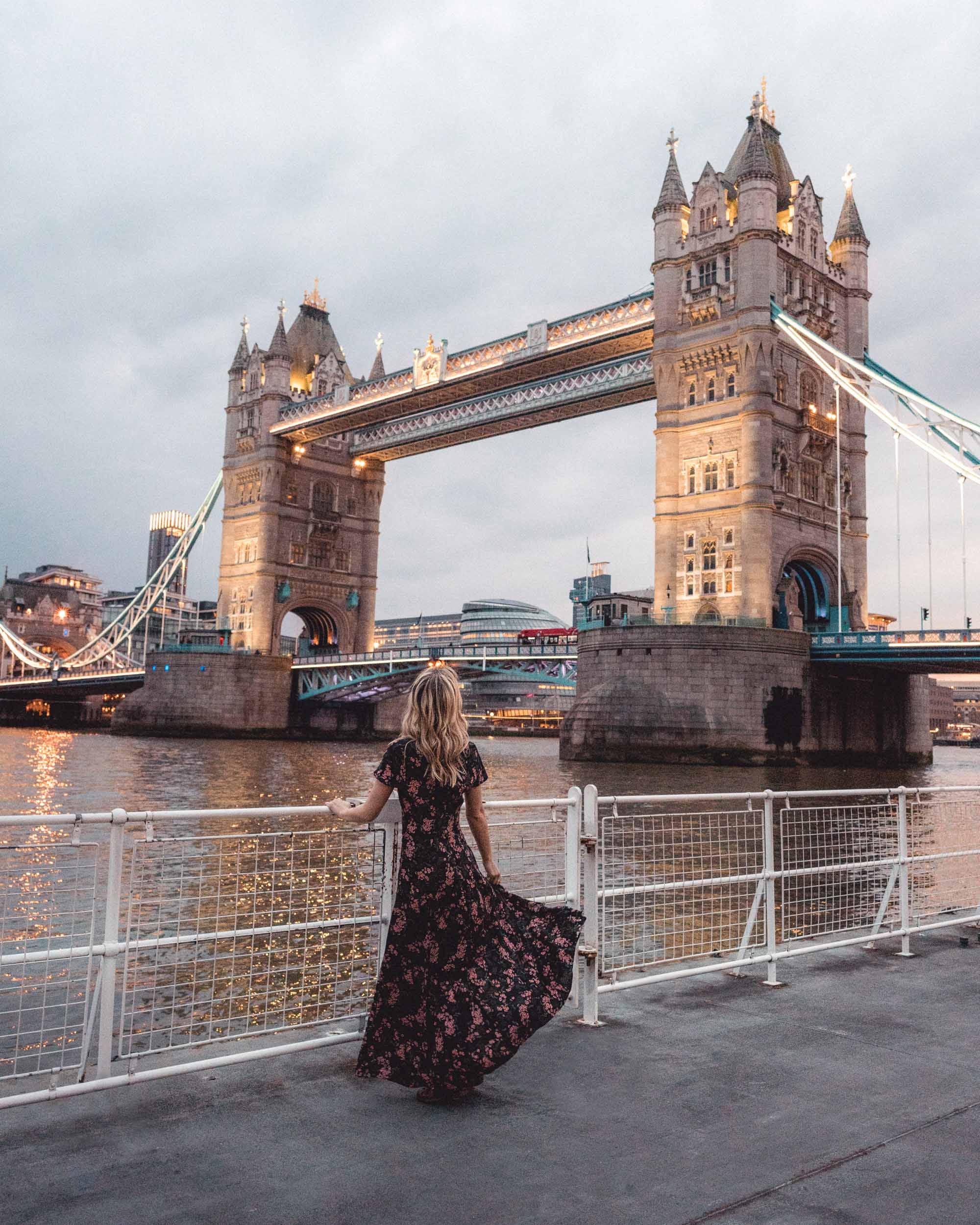
The Walkie Talkie's 35th floor, free if you book ahead. Floor-to-ceiling glass, 360-degree views, indoor garden that's mostly for show. Tower Bridge at sunset, the Thames catching light.
Tip: Book exactly two weeks out at 10am—slots disappear in minutes, but cancellations appear day-of.
🌙 After dark📍 Spaniards Rd, Hampstead🕐 2 hrs💵 $$
A 1585 coaching inn on the edge of Hampstead Heath. Low beams, uneven floors, a garden that fills up on Sundays. Keats and Dickens drank here—so did the highwayman they hanged across the road.
Tip: Walk the Heath first, enter from the Kenwood House side, arrive thirsty at 4pm.