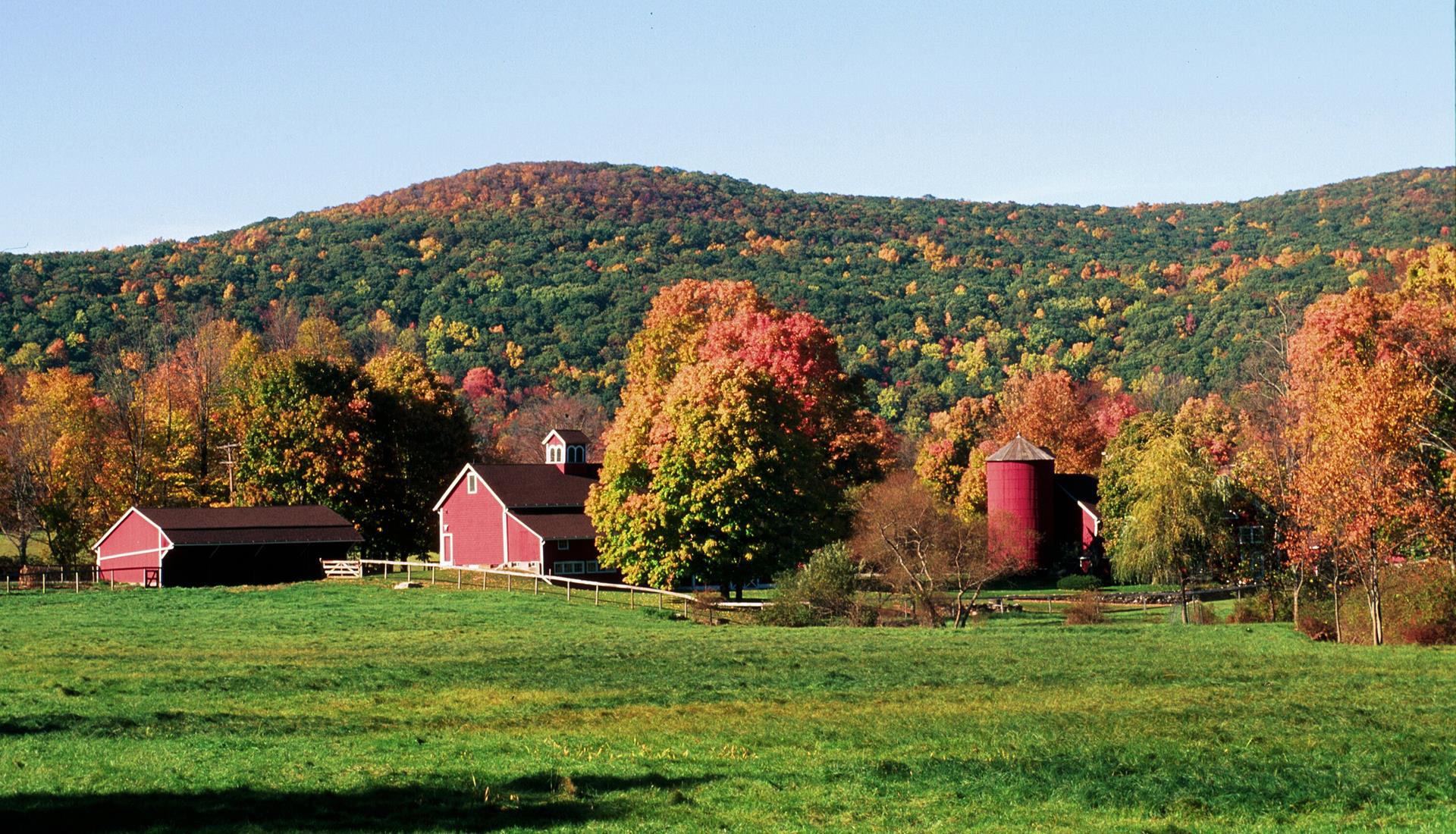
Lisbon, Long Weekend
Direct flight to a city where every neighborhood feels like a different decade. Alfama's tile and trams, Bairro Alto's night energy, Belém's custard tarts at the source. Lisbon works because it never tried to become Barcelona.
Filtered to Washington, DC. Switch origins below.
49 picks across the catalog.
The handful we keep coming back to.
Old streets, new restaurants, the kind of walking that earns dinner.

Direct flight to a city where every neighborhood feels like a different decade. Alfama's tile and trams, Bairro Alto's night energy, Belém's custard tarts at the source. Lisbon works because it never tried to become Barcelona.

Gaudí in the morning, vermouth at noon, dinner at 10pm. Barcelona is the rare European city where you can skip the museum line, eat like you mean it, and still see the thing everyone flies here to see. Four days gets you past the Ramblas tourists and into the neighborhoods that matter.

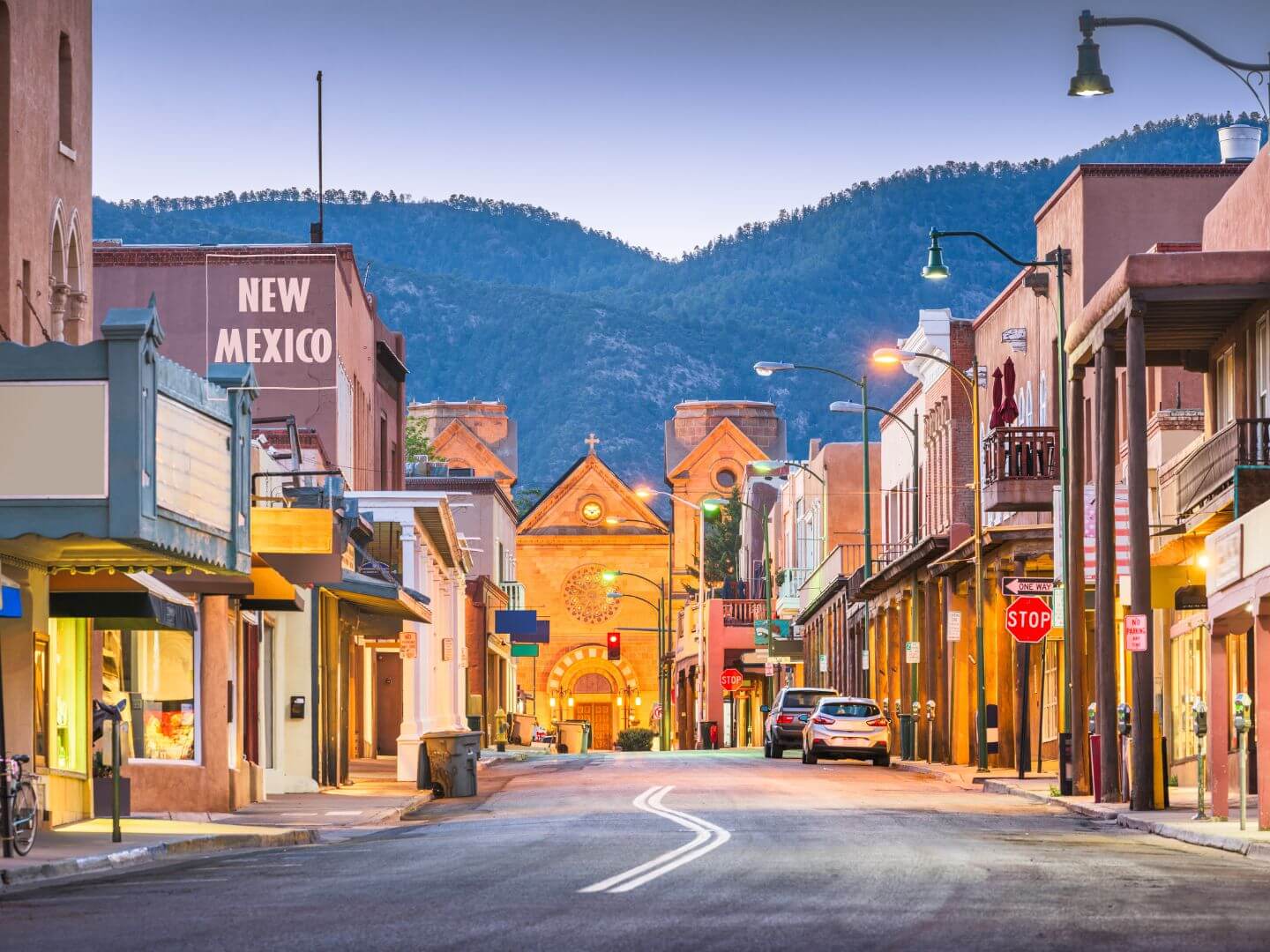
A city at 7,000 feet where the light actually does what the paintings say it does. Canyon Road galleries, green chile on everything, a hotel that's been here since the railroad came through. Santa Fe is the Southwest destination that doesn't try to be Sedona.

Three nights in Colombia's walled city where the heat slows you down in the right way. Ceviche at lunch, rum on a rooftop at dusk, cobblestones that turn gold at sunset. Direct from Atlanta means you're sitting in the Old Town by dinner.

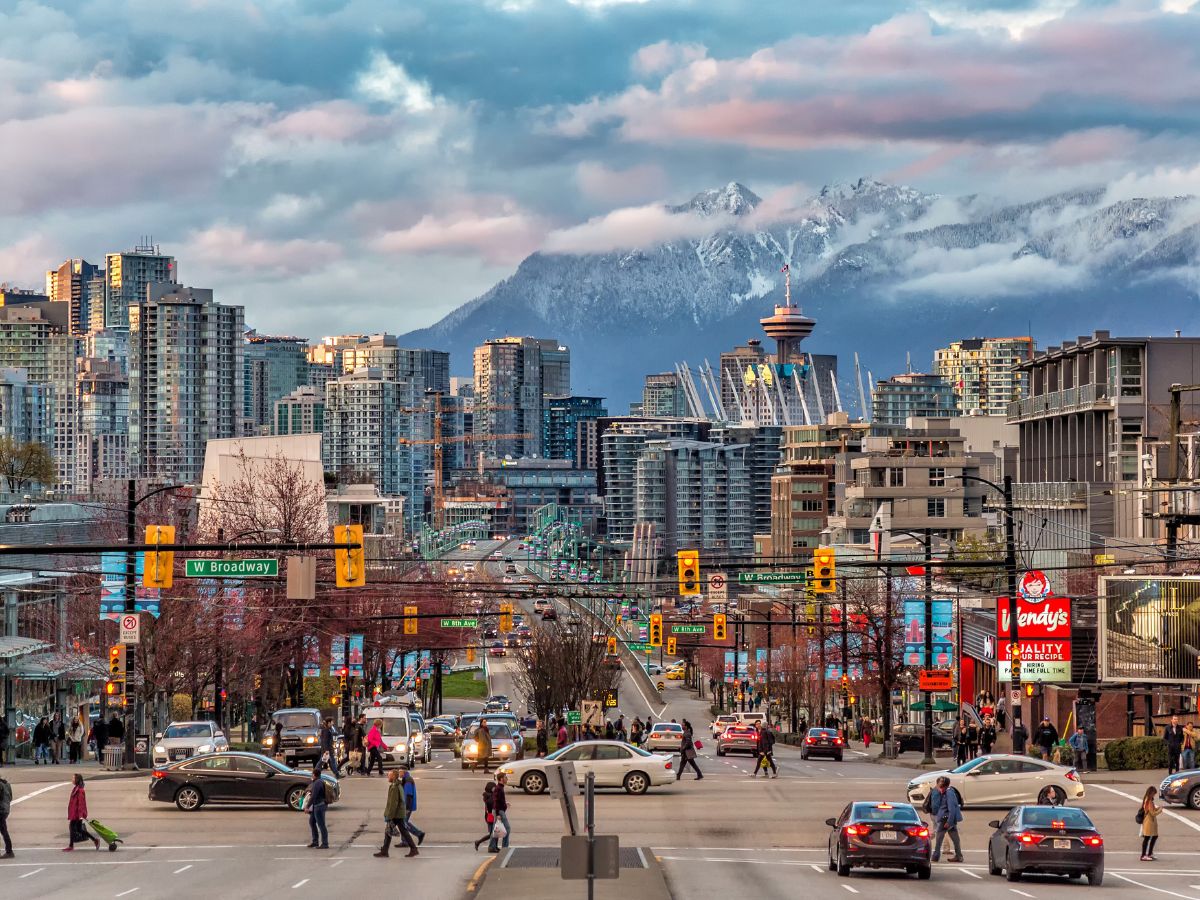
Three hours north on the Cascades, you step off into a city where the mountains meet the water and nobody's pretending it's casual. Granville Island for lunch, Stanley Park when the light's right, dinner in Gastown where the servers know wine regions by soil composition.

A Michigan harbor town that figured out how to be a beach destination without losing its mind. Galleries on Water Street, a dune climb that earns the lake view, and a hotel that used to be a chain saw factory. Two hours from Chicago and it feels like you crossed a border.
:max_bytes(150000):strip_icc()/TAL-lead-image-PORTLANDME0725-9c5fa84ce659466c8a34f1ae742019c6.jpg)
Two hours up I-95 to the Maine coast city that figured out how to be a food town without turning into a food scene. Lobster rolls that locals actually eat, a walkable peninsula, and a harbor that still works for a living. Stay at the Press Hotel in the old newspaper building and eat like you mean it.

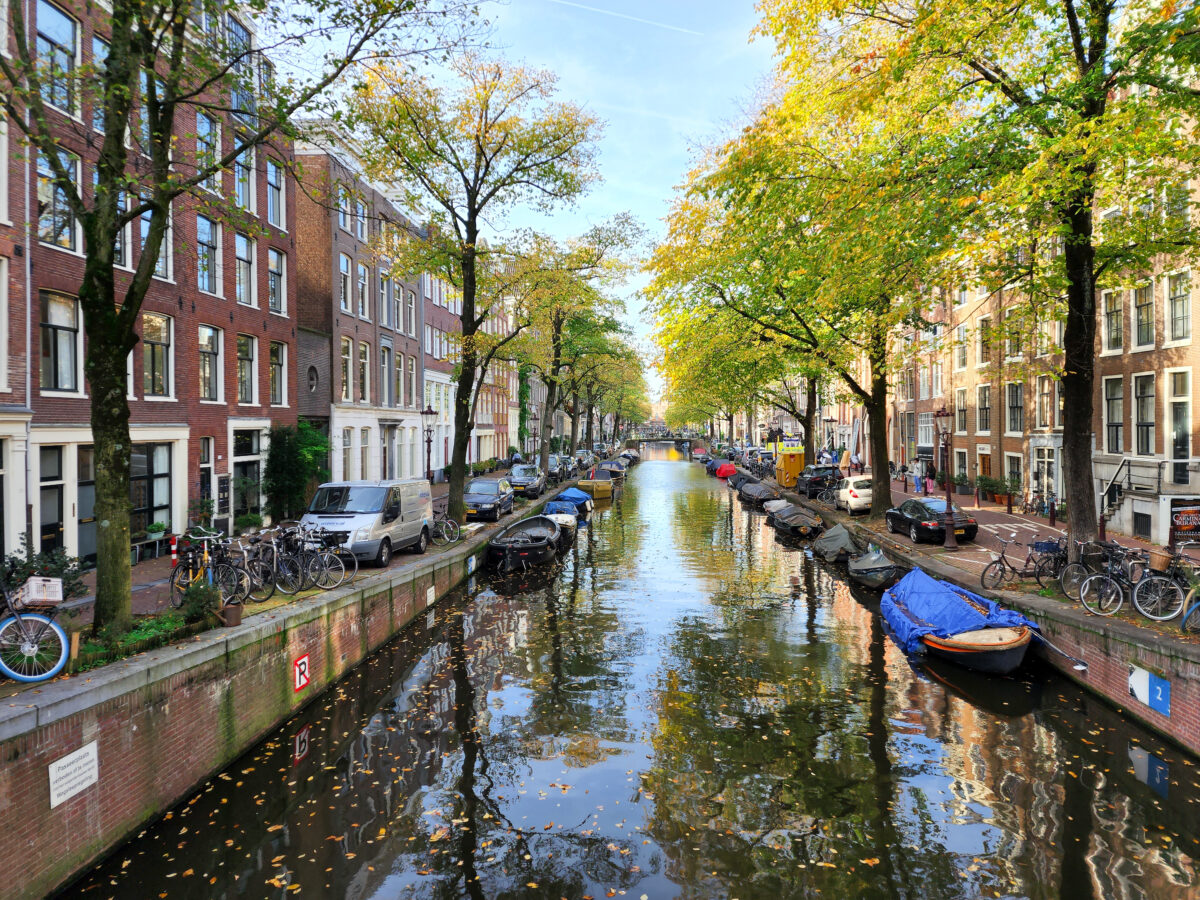
Direct from Dulles to a city that runs on bicycles and brown cafés. Stay in the Jordaan, eat Indonesian food better than you'll find in Indonesia, spend an afternoon at the Rijksmuseum that doesn't feel like homework. Amsterdam rewards the long weekend more than the blur-through.

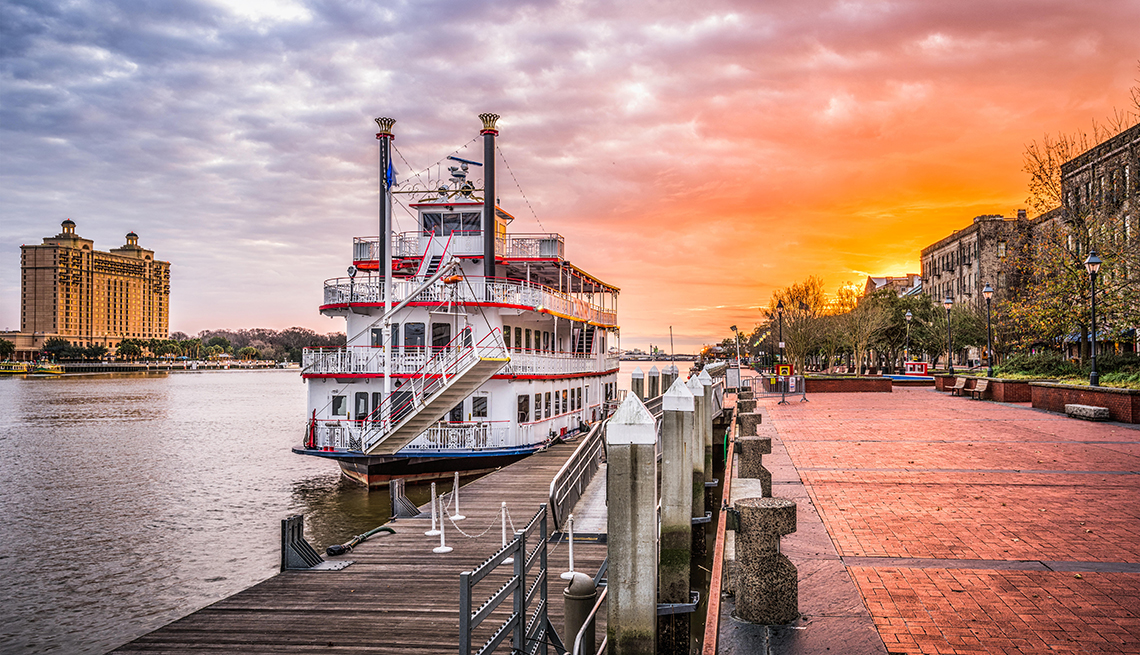
Forsyth Park at 7am, lunch on a wraparound porch, dinner somewhere that wasn't a carriage house in 1820. Savannah works because the grid itself is the itinerary — twenty-two squares in two miles, live oaks doing all the work. You don't need a ghost tour. You need a long weekend and shoes you can walk in.

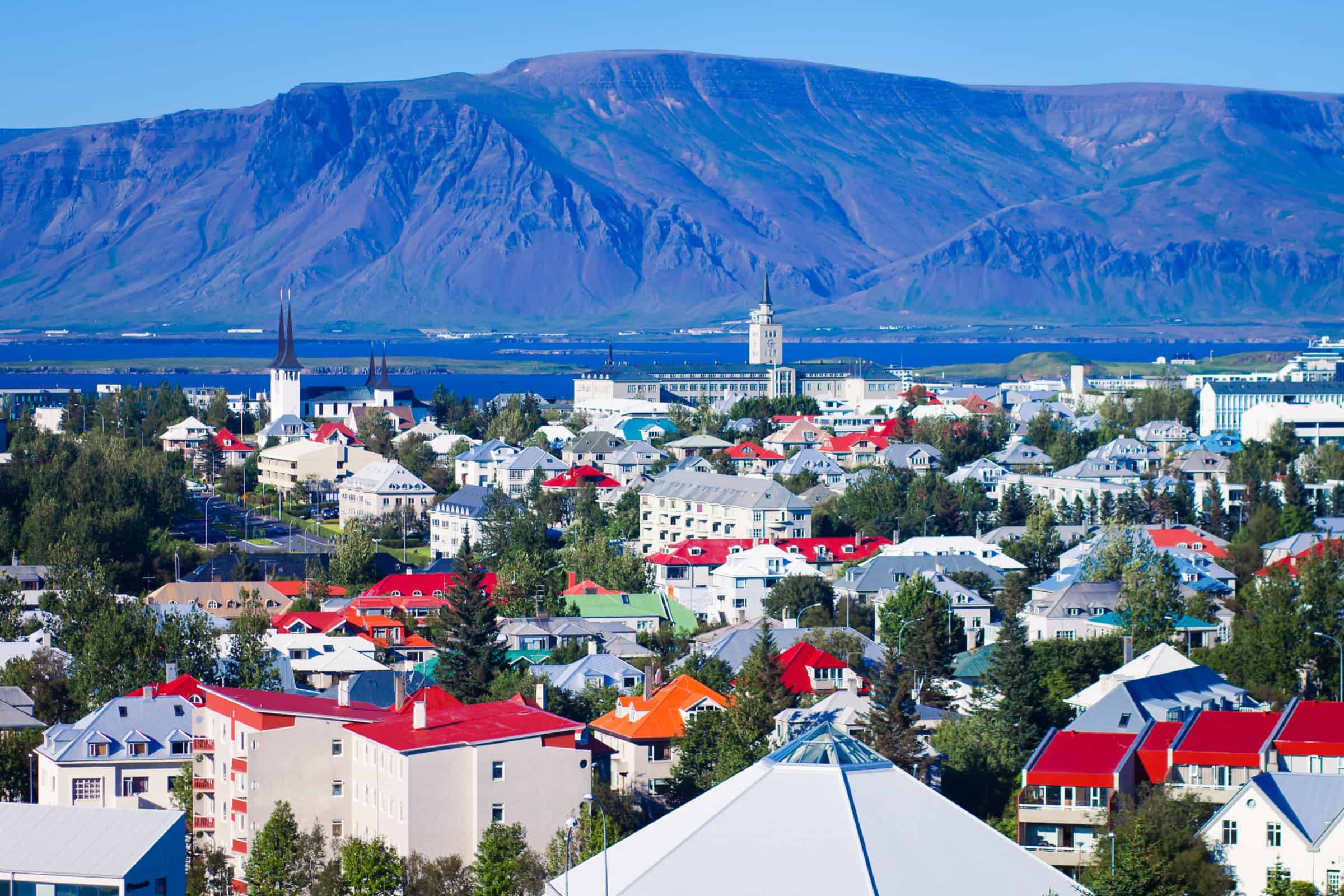
Four days in the world's northernmost capital — a city that runs on geothermal heat and closes its restaurants at 10pm. Blue Lagoon is fine but the city pools are better. The Golden Circle is a rental car cliché. Stay in town, eat fermented shark once, drink coffee four times a day.
:max_bytes(150000):strip_icc()/TAL-lead-image-NEWPORTRI1225-4673b07b041049879710ee860e43bee9.jpg)
The Gilded Age mansions are there year-round, but the town belongs to you after Columbus Day. Cliff Walk without the crowds, oysters at a corner bar that's been shucking since 1989, a harbor-view hotel that drops its rates when the yachts leave.

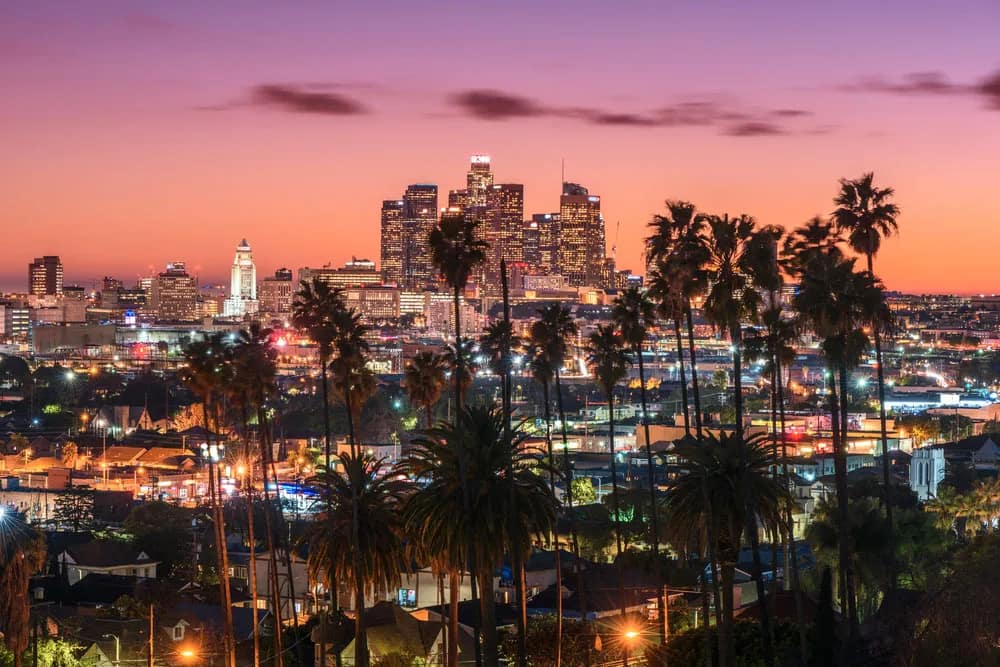
Three nights in Los Feliz and the Hollywood Hills — not the Walk of Fame. Chateau Marmont because it's the only hotel that makes sense if you're doing this right. Hikes at sunrise, tacos at noon, the kind of LA that people who live there actually like.
Sand, oysters, the kind of porch where the day just goes.

Direct flight to a city where every neighborhood feels like a different decade. Alfama's tile and trams, Bairro Alto's night energy, Belém's custard tarts at the source. Lisbon works because it never tried to become Barcelona.
Vietnam's beach town two hours from Saigon. Fresh seafood at plastic tables on the sand, a cable car to a 100-foot Christ statue, and a Soviet-era lighthouse you can climb for the view nobody warned you about. Five nights gets you past the Saigon-weekend-crowd rhythm and into the version where you're the only foreigner at the morning market.
Ten days split between Hanoi's Old Quarter and Hoi An's yellow-walled riverfront. Bún chả at the Obama table, a tailor who measures you in the morning and delivers at 4pm, and a motorbike food tour that earns the 5am wakeup call. Vietnam is the trip that makes you reconsider every other Southeast Asia itinerary.
A Channel Island that still runs on its own time. Castle ruins on clifftops, butter that costs what it should, and zero cars on Herm Island. Four nights gets you past St. Peter Port and into the version of Guernsey where the locals surf in October and dinner happens at 7pm because the ferry stops running.
Seven nights split between cloud forest and coast. Monteverde for the morning silence and hanging bridges, then Manuel Antonio for surf towns that haven't been strip-malled yet. The rain in July is the price you pay for empty beaches and sloths you actually see.
Twenty minutes north of downtown San Diego, La Jolla is the version of Southern California that earned the reputation. Seals on the rocks at Children's Pool, a tasting menu at Addison that costs less than it should, and a Saturday morning at the Farmers Market that reminds you why people move here.
An hour by ferry from San Diego, you step off the boat into a town with no cars, no chains, and a 1929 casino that never saw a roulette wheel. Two nights gets you past the day-tripper crowds and into the version of Catalina where you hike the interior at sunrise and eat swordfish on the waterfront at 7pm.
Haystack Rock at low tide, clam chowder that justifies the drive, and a hotel where the fireplace faces the ocean. Two nights gets you past the photo-op and into the version of the Oregon coast where dinner is at 6pm and the fog is the point.
Four nights on a 34-mile barrier island where the Gulf meets the Laguna Madre. Sea turtle season runs May through September. The birding is better than the beach bars, but the beach bars earn their place after a day on the water. Stay at Isla Grand for the balcony that faces both.
Three nights on the Texas coast for the breakfast tacos, the Selena mural, and a barrier island with 60 miles of sand you can drive on. Corpus is the Gulf trip Houstonians take when they want seafood that tastes like the water it came from, not the cruise port most people think it is.
A two-street town on Lake Superior where the ferries to the Apostle Islands leave from the same dock where the fishing boats unload. Three nights gets you a kayak morning, a fish boil at sunset, and the kind of bookstore browsing that only works when there's nothing else competing for the afternoon.
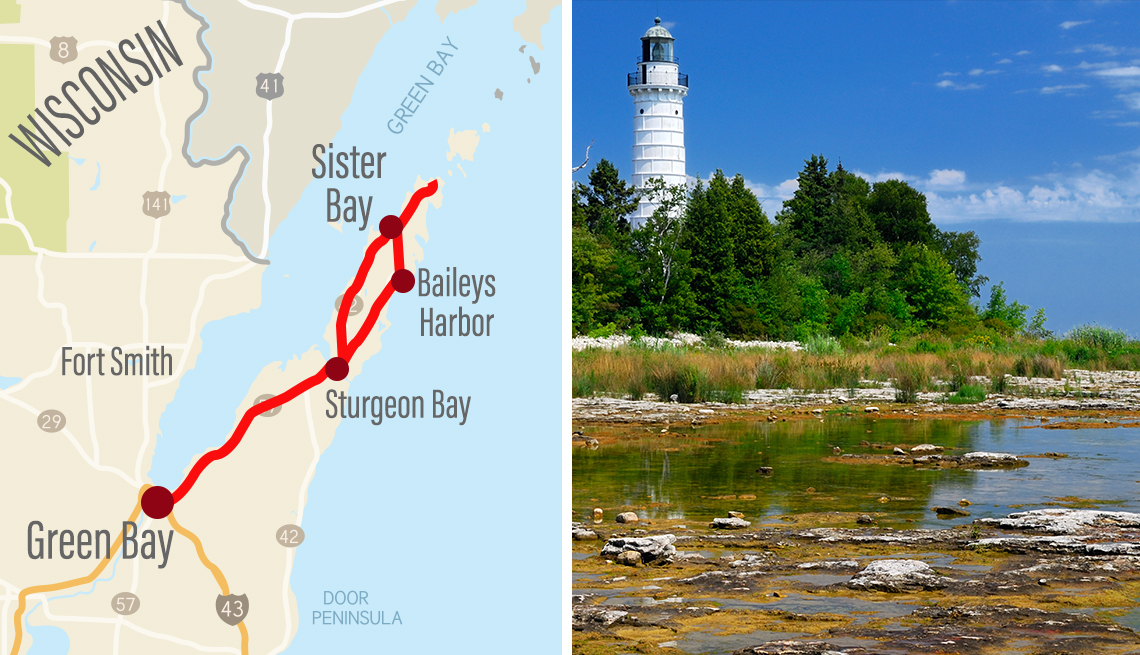
A peninsula two states over that Wisconsin has been keeping to itself. Cherry orchards in June, fish boils year-round, and a coastline where the sun sets over water that looks like Michigan but isn't. Three nights gets you past the fudge shops in Sister Bay and into the version of Door County where the pie comes from an actual farm.
A 50-minute flight to an island that earns more than the cruise-port version you've heard about. Stay on Paradise Island at the pink hotel that matters, eat conch salad at a shack where the line forms at noon, and take the 20-minute ferry to Harbour Island for the day that justifies the whole trip.
A barrier island in the Gulf where the shells pile up and the speed limit is 35. Four nights at a quiet resort with a lap pool, a fish taco truck that parks at Bowman's Beach at 11am, and a sunset that happens over water warm enough to wade into. This is Florida before it became a brand.
Two hours south on the Overseas Highway to the fishing village that hasn't turned into Key West yet. Tarpon at sunrise, stone crab at lunch, sunset at a tiki bar where the bartender knows the depth chart. Three nights is enough to fish once, eat well twice a day, and stop checking your phone by Saturday.
A three-hour drive to the end of US-1, where the Atlantic meets the Gulf and the breakfast mojito is culturally correct. Three nights gets you past the Duval Street T-shirt shops and into the version of Key West where locals eat yellow-tail snapper at 2pm and the sunset is something you watch from a dock, not a cruise-ship pier.
An hour from Houston, a 19th-century port town with architecture that survived the hurricane and seafood that tastes like the Gulf it came from. The Strand at sunset, oysters at Gaido's, a hotel on the seawall that understands what a beach weekend should cost.
A Gulf Coast beach town that never went condo. Three miles of hard-packed sand you can drive on, oysters at a shack with picnic tables, and a fishing pier that closes when the red drum stop biting. Port A is the Texas coast before developers figured out what to charge for it.
Three hours from Seattle, the Peninsula is the Pacific Northwest trip that earns the drive. Rainforest hikes that empty after the first mile, tide pools at Rialto Beach, a lodge dinner where the elk walk past the window. Three nights splits the difference between coast and forest without feeling like you're packing up every morning.
A Lake Michigan beach town 90 minutes from Chicago, where the sand is actual sand and the wine bars close at 9pm. Two nights gets you a Saturday on the beach, a Friday-night dinner that earns the drive, and a Sunday morning at the farmers market before the route back is all brake lights.
One night on the boardwalk for the version of Atlantic City that actually works — a hotel with a proper restaurant, oysters at Dock's since 1897, a walk on the beach in the morning before the casinos wake up. You're back in South Jersey by Sunday lunch with a story that isn't about losing money.
A barrier island 15 minutes from Atlantic City that figured out how to stay quiet. Miles of dune-backed beach where you can still hear the waves, a seafood shack that locals defend like a state secret, and a sunset over the bay that costs nothing but the 20-minute drive from your rental.
A Victorian beach town at the tip of New Jersey that never went corporate. Wide porches, painted gingerbread, a beach that empties out by 5pm. Three nights gets you past the Painted Ladies walking tour and into the version of Cape May where you pick one restaurant and go back twice.
Three nights at the Jersey Shore town that doesn't feel like the Jersey Shore. Victorian gingerbread houses, a beach that doesn't have a boardwalk, and a downtown where the restaurants close in January because the chefs actually care. Stay at Congress Hall, eat dinner at 8pm at Peter Shields, bike to Sunset Beach on Sunday morning.

High desert at 3,600 feet with 16 breweries and the Deschutes River running through town. Three hours south of Seattle, you're waking up to Cascade views, eating dinner at a chef-driven spot that doesn't advertise, and realizing the ski town you thought was just for winter works in August.

Gaudí in the morning, vermouth at noon, dinner at 10pm. Barcelona is the rare European city where you can skip the museum line, eat like you mean it, and still see the thing everyone flies here to see. Four days gets you past the Ramblas tourists and into the neighborhoods that matter.

A city at 7,000 feet where the light actually does what the paintings say it does. Canyon Road galleries, green chile on everything, a hotel that's been here since the railroad came through. Santa Fe is the Southwest destination that doesn't try to be Sedona.

Three nights in Colombia's walled city where the heat slows you down in the right way. Ceviche at lunch, rum on a rooftop at dusk, cobblestones that turn gold at sunset. Direct from Atlanta means you're sitting in the Old Town by dinner.
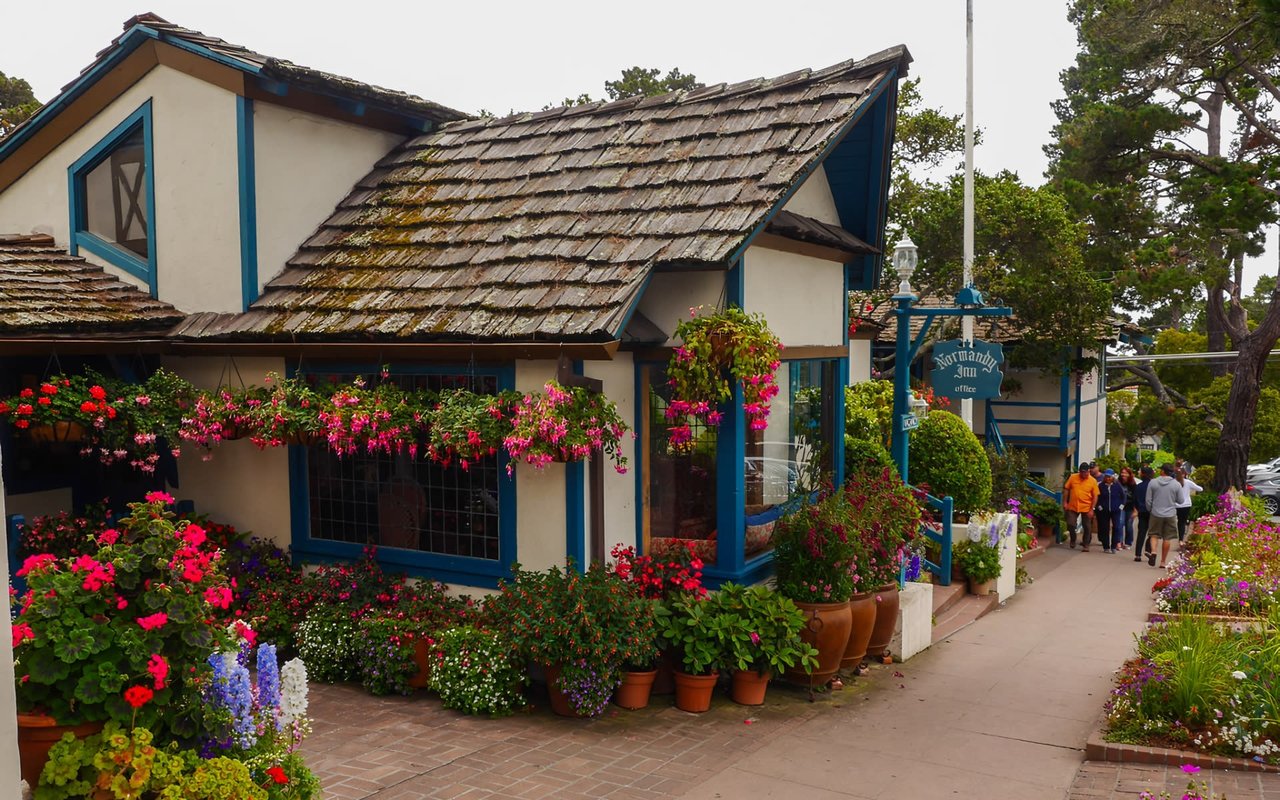
Two hours down the coast to a one-square-mile village where the sidewalks are optional and the cypress trees do more work than the marketing. Stay at La Playa Carmel — the 1904 estate where Doris Day used to live upstairs — and spend a weekend walking to everything that matters.

Three hours north on the Cascades, you step off into a city where the mountains meet the water and nobody's pretending it's casual. Granville Island for lunch, Stanley Park when the light's right, dinner in Gastown where the servers know wine regions by soil composition.

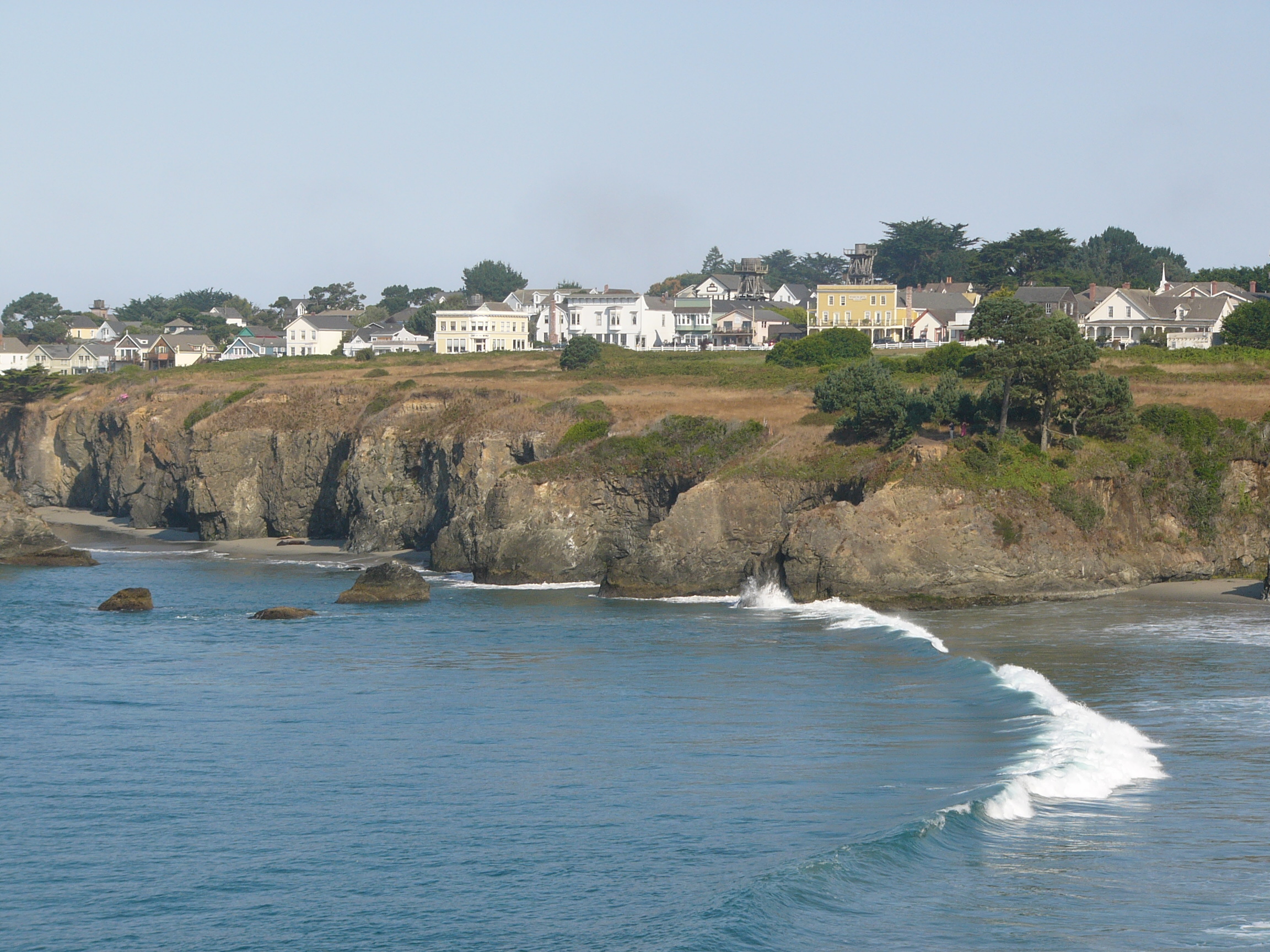
Three hours north of San Francisco, Mendocino sits on bluffs above the Pacific with no beach access and no apologies. The town is eight blocks of carpenter gothic and redwood water towers. Go in October when the fog's back and the crowds aren't.

Two hours on the Washington State Ferry, then you're on San Juan Island with a rental bike and a room at a 1907 inn that still remembers when this was the end of the world. Roche Harbor at sunset, lime kilns in the morning, dinner where the fishermen eat.

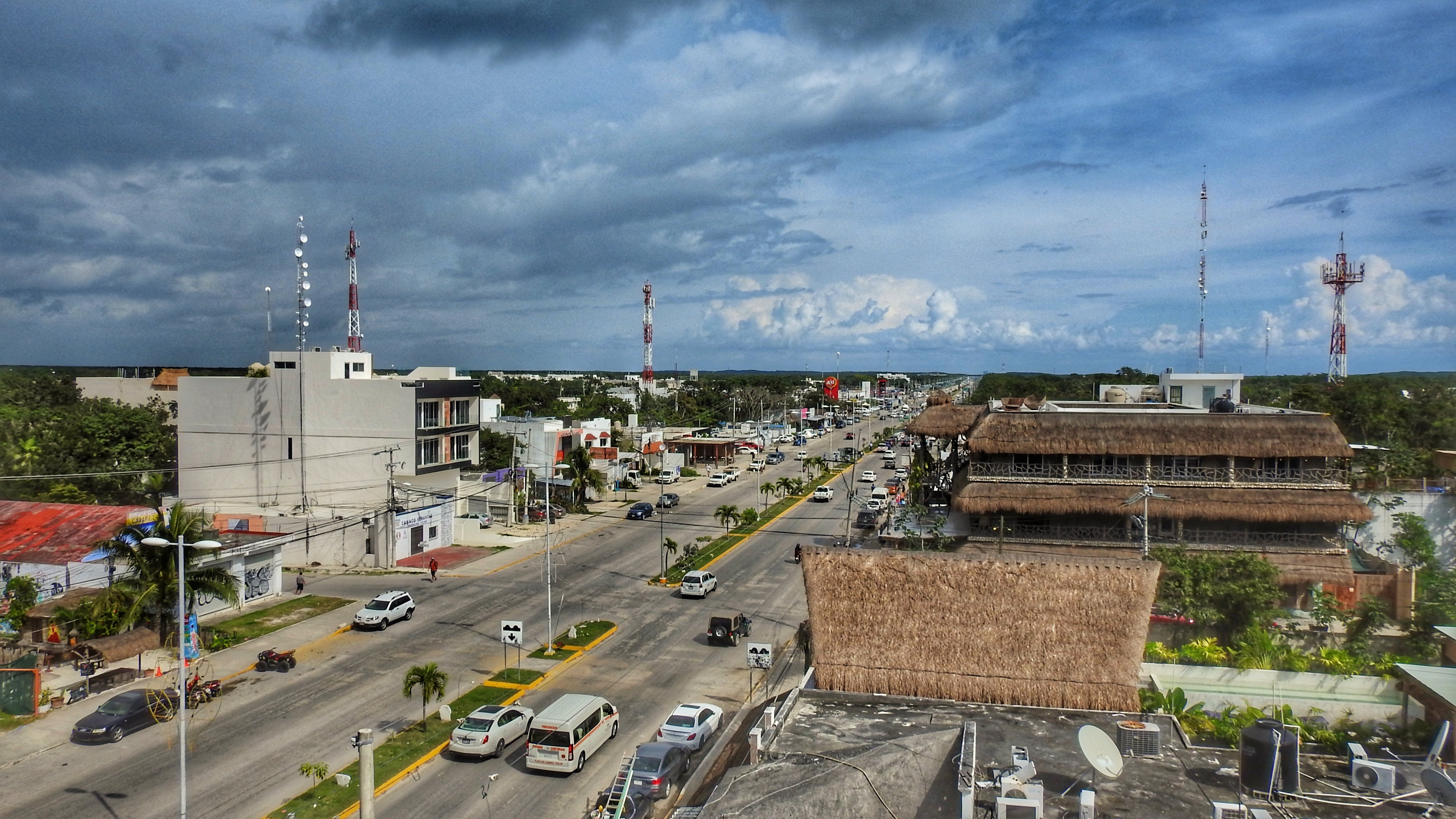
Tulum still works if you know when to be where. Early mornings at the ruins before the tour buses, lunch in town not the beach zone, a cenote swim at 3pm when everyone else is napping off mezcal. The jungle boutique hotels are real — pick one that was there before the influencer wave.

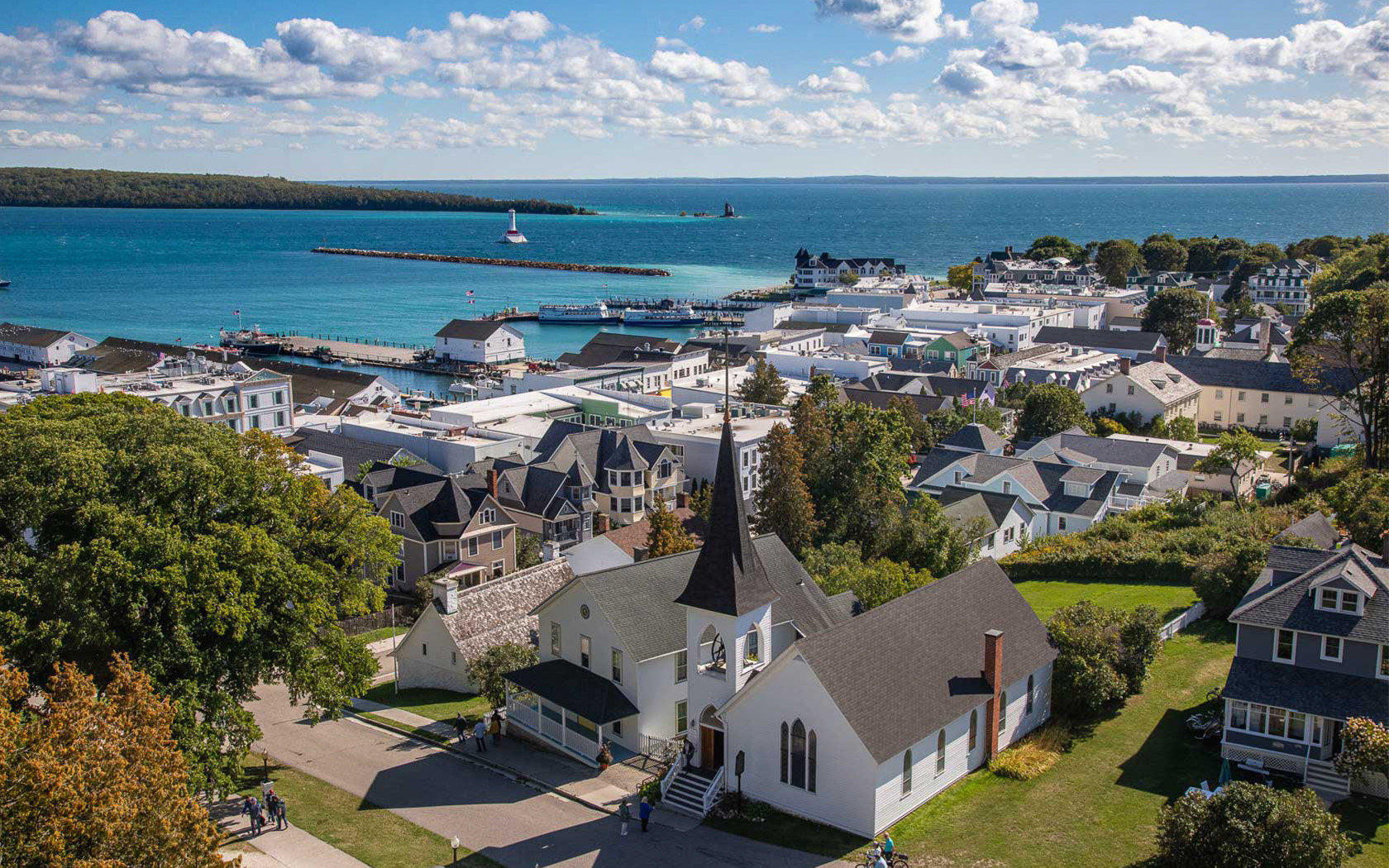
A Victorian island in Lake Huron where cars have been banned since 1898. You arrive by ferry, check into the Grand Hotel with its 660-foot porch, and spend two days moving at the speed of a horse-drawn taxi. Fudge shops are unavoidable but the island is bigger than its kitsch.

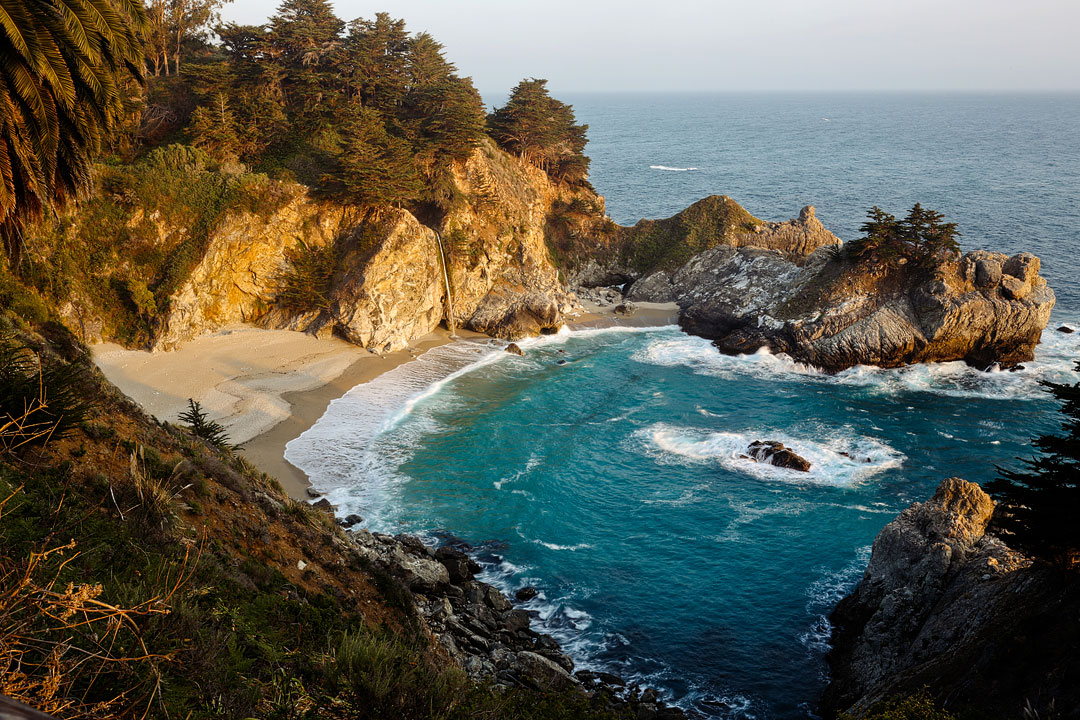
Four hours up the coast to Ventana Big Sur, where the redwoods meet the cliffs and the fog rolls in around 4pm. Two nights of silence, fire pits at sunset, a Japanese bathhouse built into the hillside. Big Sur stops being a drive-through when you give it a weekend.
90 minutes up the coast to a town that figured out how to be both a beach town and a wine town without losing either. Red tile roofs, white stucco, a harbor that still works. The American Riviera label is lazy — Santa Barbara is better than that.

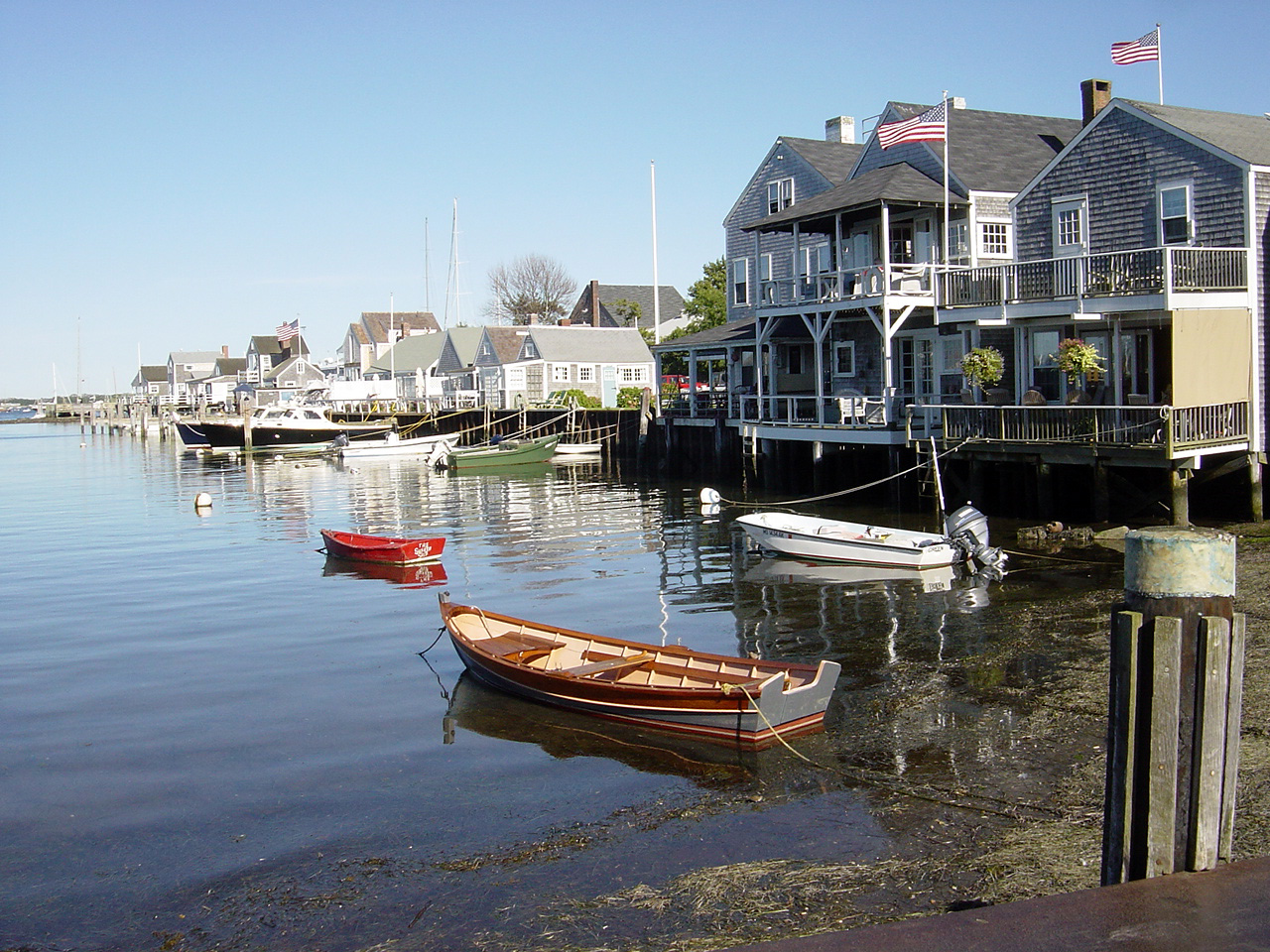
Two hours and a ferry ride to the island that empties out after Labor Day and becomes itself again. Grey shingles, cobblestone Main Street, a harbor that still smells like a harbor. The Wauwinet is open through October and knows what it's doing.

A Mississippi River town that peaked in 1850 and knows it. Main Street still runs on brick and iron storefronts, the best hotel is an 1855 mansion on a hill, and the whole town shuts down by 9pm in a way that feels like the point. Go in October or March when the tour buses stay home.

Four hours north of Chicago, Door County stops being a summer destination in late September and becomes something better. Orchards you can walk through, fish boils that aren't performance art, a peninsula that empties out the week after Labor Day.

A Michigan harbor town that figured out how to be a beach destination without losing its mind. Galleries on Water Street, a dune climb that earns the lake view, and a hotel that used to be a chain saw factory. Two hours from Chicago and it feels like you crossed a border.
:max_bytes(150000):strip_icc()/TAL-lead-image-PORTLANDME0725-9c5fa84ce659466c8a34f1ae742019c6.jpg)
Two hours up I-95 to the Maine coast city that figured out how to be a food town without turning into a food scene. Lobster rolls that locals actually eat, a walkable peninsula, and a harbor that still works for a living. Stay at the Press Hotel in the old newspaper building and eat like you mean it.

Direct from Dulles to a city that runs on bicycles and brown cafés. Stay in the Jordaan, eat Indonesian food better than you'll find in Indonesia, spend an afternoon at the Rijksmuseum that doesn't feel like homework. Amsterdam rewards the long weekend more than the blur-through.

Forsyth Park at 7am, lunch on a wraparound porch, dinner somewhere that wasn't a carriage house in 1820. Savannah works because the grid itself is the itinerary — twenty-two squares in two miles, live oaks doing all the work. You don't need a ghost tour. You need a long weekend and shoes you can walk in.

Four days in the world's northernmost capital — a city that runs on geothermal heat and closes its restaurants at 10pm. Blue Lagoon is fine but the city pools are better. The Golden Circle is a rental car cliché. Stay in town, eat fermented shark once, drink coffee four times a day.
:max_bytes(150000):strip_icc()/TAL-lead-image-NEWPORTRI1225-4673b07b041049879710ee860e43bee9.jpg)
The Gilded Age mansions are there year-round, but the town belongs to you after Columbus Day. Cliff Walk without the crowds, oysters at a corner bar that's been shucking since 1989, a harbor-view hotel that drops its rates when the yachts leave.
:max_bytes(150000):strip_icc()/TAL-bermuda-beach-BERMUDA0523-18b06e9646d6453ba9d38a1530fe0eb4.jpg)
Two hours from JFK to an island where the sand is actually pink and the rum swizzle was invented at the hotel bar you're staying at. Horseshoe Bay in the morning before the cruise ships dock, fish sandwiches in Hamilton, a moped if you're brave enough.

Two hours north of the city, a corner of Connecticut that knows what it is — white clapboard towns, bookstores that matter, a Saturday farmer's market where the vegetables look like they posed for a photo. Stay at Winvian Farm where your room is a helicopter or a stable or a treehouse, because sometimes absurd is exactly right.

Three nights in Los Feliz and the Hollywood Hills — not the Walk of Fame. Chateau Marmont because it's the only hotel that makes sense if you're doing this right. Hikes at sunrise, tacos at noon, the kind of LA that people who live there actually like.

A salt-air weekend at Congress Hall — the yellow grande dame at the end of the Jersey Shore. Slow mornings on the porch, a long walk to the lighthouse, dinner that doesn't involve a boardwalk. Cape May earns its reputation in the shoulder season more than in July.
Trees, trails, fires, fewer people. The cabin kind of weekend.

High desert at 3,600 feet with 16 breweries and the Deschutes River running through town. Three hours south of Seattle, you're waking up to Cascade views, eating dinner at a chef-driven spot that doesn't advertise, and realizing the ski town you thought was just for winter works in August.
Two hours down the coast to a one-square-mile village where the sidewalks are optional and the cypress trees do more work than the marketing. Stay at La Playa Carmel — the 1904 estate where Doris Day used to live upstairs — and spend a weekend walking to everything that matters.

Three hours north on the Cascades, you step off into a city where the mountains meet the water and nobody's pretending it's casual. Granville Island for lunch, Stanley Park when the light's right, dinner in Gastown where the servers know wine regions by soil composition.

Three hours north of San Francisco, Mendocino sits on bluffs above the Pacific with no beach access and no apologies. The town is eight blocks of carpenter gothic and redwood water towers. Go in October when the fog's back and the crowds aren't.

Two hours on the Washington State Ferry, then you're on San Juan Island with a rental bike and a room at a 1907 inn that still remembers when this was the end of the world. Roche Harbor at sunset, lime kilns in the morning, dinner where the fishermen eat.

Tulum still works if you know when to be where. Early mornings at the ruins before the tour buses, lunch in town not the beach zone, a cenote swim at 3pm when everyone else is napping off mezcal. The jungle boutique hotels are real — pick one that was there before the influencer wave.

A Victorian island in Lake Huron where cars have been banned since 1898. You arrive by ferry, check into the Grand Hotel with its 660-foot porch, and spend two days moving at the speed of a horse-drawn taxi. Fudge shops are unavoidable but the island is bigger than its kitsch.

Four hours up the coast to Ventana Big Sur, where the redwoods meet the cliffs and the fog rolls in around 4pm. Two nights of silence, fire pits at sunset, a Japanese bathhouse built into the hillside. Big Sur stops being a drive-through when you give it a weekend.

A Mississippi River town that peaked in 1850 and knows it. Main Street still runs on brick and iron storefronts, the best hotel is an 1855 mansion on a hill, and the whole town shuts down by 9pm in a way that feels like the point. Go in October or March when the tour buses stay home.

Four hours north of Chicago, Door County stops being a summer destination in late September and becomes something better. Orchards you can walk through, fish boils that aren't performance art, a peninsula that empties out the week after Labor Day.

Four days in the world's northernmost capital — a city that runs on geothermal heat and closes its restaurants at 10pm. Blue Lagoon is fine but the city pools are better. The Golden Circle is a rental car cliché. Stay in town, eat fermented shark once, drink coffee four times a day.
:max_bytes(150000):strip_icc()/TAL-lead-image-NEWPORTRI1225-4673b07b041049879710ee860e43bee9.jpg)
The Gilded Age mansions are there year-round, but the town belongs to you after Columbus Day. Cliff Walk without the crowds, oysters at a corner bar that's been shucking since 1989, a harbor-view hotel that drops its rates when the yachts leave.

Two hours north of the city, a corner of Connecticut that knows what it is — white clapboard towns, bookstores that matter, a Saturday farmer's market where the vegetables look like they posed for a photo. Stay at Winvian Farm where your room is a helicopter or a stable or a treehouse, because sometimes absurd is exactly right.
Out and back. The whole point is leaving.
Three nights, one new country. Done by Sunday night.

Direct flight to a city where every neighborhood feels like a different decade. Alfama's tile and trams, Bairro Alto's night energy, Belém's custard tarts at the source. Lisbon works because it never tried to become Barcelona.
Vietnam's beach town two hours from Saigon. Fresh seafood at plastic tables on the sand, a cable car to a 100-foot Christ statue, and a Soviet-era lighthouse you can climb for the view nobody warned you about. Five nights gets you past the Saigon-weekend-crowd rhythm and into the version where you're the only foreigner at the morning market.
Ten days split between Hanoi's Old Quarter and Hoi An's yellow-walled riverfront. Bún chả at the Obama table, a tailor who measures you in the morning and delivers at 4pm, and a motorbike food tour that earns the 5am wakeup call. Vietnam is the trip that makes you reconsider every other Southeast Asia itinerary.
A Channel Island that still runs on its own time. Castle ruins on clifftops, butter that costs what it should, and zero cars on Herm Island. Four nights gets you past St. Peter Port and into the version of Guernsey where the locals surf in October and dinner happens at 7pm because the ferry stops running.
Seven nights split between cloud forest and coast. Monteverde for the morning silence and hanging bridges, then Manuel Antonio for surf towns that haven't been strip-malled yet. The rain in July is the price you pay for empty beaches and sloths you actually see.
A 50-minute flight to an island that earns more than the cruise-port version you've heard about. Stay on Paradise Island at the pink hotel that matters, eat conch salad at a shack where the line forms at noon, and take the 20-minute ferry to Harbour Island for the day that justifies the whole trip.

Gaudí in the morning, vermouth at noon, dinner at 10pm. Barcelona is the rare European city where you can skip the museum line, eat like you mean it, and still see the thing everyone flies here to see. Four days gets you past the Ramblas tourists and into the neighborhoods that matter.

Three nights in Colombia's walled city where the heat slows you down in the right way. Ceviche at lunch, rum on a rooftop at dusk, cobblestones that turn gold at sunset. Direct from Atlanta means you're sitting in the Old Town by dinner.

Direct from Dulles to a city that runs on bicycles and brown cafés. Stay in the Jordaan, eat Indonesian food better than you'll find in Indonesia, spend an afternoon at the Rijksmuseum that doesn't feel like homework. Amsterdam rewards the long weekend more than the blur-through.

Four days in the world's northernmost capital — a city that runs on geothermal heat and closes its restaurants at 10pm. Blue Lagoon is fine but the city pools are better. The Golden Circle is a rental car cliché. Stay in town, eat fermented shark once, drink coffee four times a day.
Drafted by our agent, kept on the list when they hold up. Labeled honestly.

Direct flight to a city where every neighborhood feels like a different decade. Alfama's tile and trams, Bairro Alto's night energy, Belém's custard tarts at the source. Lisbon works because it never tried to become Barcelona.
Vietnam's beach town two hours from Saigon. Fresh seafood at plastic tables on the sand, a cable car to a 100-foot Christ statue, and a Soviet-era lighthouse you can climb for the view nobody warned you about. Five nights gets you past the Saigon-weekend-crowd rhythm and into the version where you're the only foreigner at the morning market.
Ten days split between Hanoi's Old Quarter and Hoi An's yellow-walled riverfront. Bún chả at the Obama table, a tailor who measures you in the morning and delivers at 4pm, and a motorbike food tour that earns the 5am wakeup call. Vietnam is the trip that makes you reconsider every other Southeast Asia itinerary.
A Channel Island that still runs on its own time. Castle ruins on clifftops, butter that costs what it should, and zero cars on Herm Island. Four nights gets you past St. Peter Port and into the version of Guernsey where the locals surf in October and dinner happens at 7pm because the ferry stops running.
Seven nights split between cloud forest and coast. Monteverde for the morning silence and hanging bridges, then Manuel Antonio for surf towns that haven't been strip-malled yet. The rain in July is the price you pay for empty beaches and sloths you actually see.
Twenty minutes north of downtown San Diego, La Jolla is the version of Southern California that earned the reputation. Seals on the rocks at Children's Pool, a tasting menu at Addison that costs less than it should, and a Saturday morning at the Farmers Market that reminds you why people move here.
An hour by ferry from San Diego, you step off the boat into a town with no cars, no chains, and a 1929 casino that never saw a roulette wheel. Two nights gets you past the day-tripper crowds and into the version of Catalina where you hike the interior at sunrise and eat swordfish on the waterfront at 7pm.
Haystack Rock at low tide, clam chowder that justifies the drive, and a hotel where the fireplace faces the ocean. Two nights gets you past the photo-op and into the version of the Oregon coast where dinner is at 6pm and the fog is the point.
Four nights on a 34-mile barrier island where the Gulf meets the Laguna Madre. Sea turtle season runs May through September. The birding is better than the beach bars, but the beach bars earn their place after a day on the water. Stay at Isla Grand for the balcony that faces both.
Three nights on the Texas coast for the breakfast tacos, the Selena mural, and a barrier island with 60 miles of sand you can drive on. Corpus is the Gulf trip Houstonians take when they want seafood that tastes like the water it came from, not the cruise port most people think it is.
A two-street town on Lake Superior where the ferries to the Apostle Islands leave from the same dock where the fishing boats unload. Three nights gets you a kayak morning, a fish boil at sunset, and the kind of bookstore browsing that only works when there's nothing else competing for the afternoon.
A peninsula two states over that Wisconsin has been keeping to itself. Cherry orchards in June, fish boils year-round, and a coastline where the sun sets over water that looks like Michigan but isn't. Three nights gets you past the fudge shops in Sister Bay and into the version of Door County where the pie comes from an actual farm.
A 50-minute flight to an island that earns more than the cruise-port version you've heard about. Stay on Paradise Island at the pink hotel that matters, eat conch salad at a shack where the line forms at noon, and take the 20-minute ferry to Harbour Island for the day that justifies the whole trip.
A barrier island in the Gulf where the shells pile up and the speed limit is 35. Four nights at a quiet resort with a lap pool, a fish taco truck that parks at Bowman's Beach at 11am, and a sunset that happens over water warm enough to wade into. This is Florida before it became a brand.
Two hours south on the Overseas Highway to the fishing village that hasn't turned into Key West yet. Tarpon at sunrise, stone crab at lunch, sunset at a tiki bar where the bartender knows the depth chart. Three nights is enough to fish once, eat well twice a day, and stop checking your phone by Saturday.
A three-hour drive to the end of US-1, where the Atlantic meets the Gulf and the breakfast mojito is culturally correct. Three nights gets you past the Duval Street T-shirt shops and into the version of Key West where locals eat yellow-tail snapper at 2pm and the sunset is something you watch from a dock, not a cruise-ship pier.
An hour from Houston, a 19th-century port town with architecture that survived the hurricane and seafood that tastes like the Gulf it came from. The Strand at sunset, oysters at Gaido's, a hotel on the seawall that understands what a beach weekend should cost.
A Gulf Coast beach town that never went condo. Three miles of hard-packed sand you can drive on, oysters at a shack with picnic tables, and a fishing pier that closes when the red drum stop biting. Port A is the Texas coast before developers figured out what to charge for it.
Three hours from Seattle, the Peninsula is the Pacific Northwest trip that earns the drive. Rainforest hikes that empty after the first mile, tide pools at Rialto Beach, a lodge dinner where the elk walk past the window. Three nights splits the difference between coast and forest without feeling like you're packing up every morning.
A Lake Michigan beach town 90 minutes from Chicago, where the sand is actual sand and the wine bars close at 9pm. Two nights gets you a Saturday on the beach, a Friday-night dinner that earns the drive, and a Sunday morning at the farmers market before the route back is all brake lights.
One night on the boardwalk for the version of Atlantic City that actually works — a hotel with a proper restaurant, oysters at Dock's since 1897, a walk on the beach in the morning before the casinos wake up. You're back in South Jersey by Sunday lunch with a story that isn't about losing money.
A barrier island 15 minutes from Atlantic City that figured out how to stay quiet. Miles of dune-backed beach where you can still hear the waves, a seafood shack that locals defend like a state secret, and a sunset over the bay that costs nothing but the 20-minute drive from your rental.
A Victorian beach town at the tip of New Jersey that never went corporate. Wide porches, painted gingerbread, a beach that empties out by 5pm. Three nights gets you past the Painted Ladies walking tour and into the version of Cape May where you pick one restaurant and go back twice.
Three nights at the Jersey Shore town that doesn't feel like the Jersey Shore. Victorian gingerbread houses, a beach that doesn't have a boardwalk, and a downtown where the restaurants close in January because the chefs actually care. Stay at Congress Hall, eat dinner at 8pm at Peter Shields, bike to Sunset Beach on Sunday morning.

High desert at 3,600 feet with 16 breweries and the Deschutes River running through town. Three hours south of Seattle, you're waking up to Cascade views, eating dinner at a chef-driven spot that doesn't advertise, and realizing the ski town you thought was just for winter works in August.

Gaudí in the morning, vermouth at noon, dinner at 10pm. Barcelona is the rare European city where you can skip the museum line, eat like you mean it, and still see the thing everyone flies here to see. Four days gets you past the Ramblas tourists and into the neighborhoods that matter.

A city at 7,000 feet where the light actually does what the paintings say it does. Canyon Road galleries, green chile on everything, a hotel that's been here since the railroad came through. Santa Fe is the Southwest destination that doesn't try to be Sedona.

Three nights in Colombia's walled city where the heat slows you down in the right way. Ceviche at lunch, rum on a rooftop at dusk, cobblestones that turn gold at sunset. Direct from Atlanta means you're sitting in the Old Town by dinner.
Two hours down the coast to a one-square-mile village where the sidewalks are optional and the cypress trees do more work than the marketing. Stay at La Playa Carmel — the 1904 estate where Doris Day used to live upstairs — and spend a weekend walking to everything that matters.

Three hours north on the Cascades, you step off into a city where the mountains meet the water and nobody's pretending it's casual. Granville Island for lunch, Stanley Park when the light's right, dinner in Gastown where the servers know wine regions by soil composition.

Three hours north of San Francisco, Mendocino sits on bluffs above the Pacific with no beach access and no apologies. The town is eight blocks of carpenter gothic and redwood water towers. Go in October when the fog's back and the crowds aren't.

Two hours on the Washington State Ferry, then you're on San Juan Island with a rental bike and a room at a 1907 inn that still remembers when this was the end of the world. Roche Harbor at sunset, lime kilns in the morning, dinner where the fishermen eat.

Tulum still works if you know when to be where. Early mornings at the ruins before the tour buses, lunch in town not the beach zone, a cenote swim at 3pm when everyone else is napping off mezcal. The jungle boutique hotels are real — pick one that was there before the influencer wave.

A Victorian island in Lake Huron where cars have been banned since 1898. You arrive by ferry, check into the Grand Hotel with its 660-foot porch, and spend two days moving at the speed of a horse-drawn taxi. Fudge shops are unavoidable but the island is bigger than its kitsch.

Four hours up the coast to Ventana Big Sur, where the redwoods meet the cliffs and the fog rolls in around 4pm. Two nights of silence, fire pits at sunset, a Japanese bathhouse built into the hillside. Big Sur stops being a drive-through when you give it a weekend.
90 minutes up the coast to a town that figured out how to be both a beach town and a wine town without losing either. Red tile roofs, white stucco, a harbor that still works. The American Riviera label is lazy — Santa Barbara is better than that.

Two hours and a ferry ride to the island that empties out after Labor Day and becomes itself again. Grey shingles, cobblestone Main Street, a harbor that still smells like a harbor. The Wauwinet is open through October and knows what it's doing.

A Mississippi River town that peaked in 1850 and knows it. Main Street still runs on brick and iron storefronts, the best hotel is an 1855 mansion on a hill, and the whole town shuts down by 9pm in a way that feels like the point. Go in October or March when the tour buses stay home.

Four hours north of Chicago, Door County stops being a summer destination in late September and becomes something better. Orchards you can walk through, fish boils that aren't performance art, a peninsula that empties out the week after Labor Day.

A Michigan harbor town that figured out how to be a beach destination without losing its mind. Galleries on Water Street, a dune climb that earns the lake view, and a hotel that used to be a chain saw factory. Two hours from Chicago and it feels like you crossed a border.
:max_bytes(150000):strip_icc()/TAL-lead-image-PORTLANDME0725-9c5fa84ce659466c8a34f1ae742019c6.jpg)
Two hours up I-95 to the Maine coast city that figured out how to be a food town without turning into a food scene. Lobster rolls that locals actually eat, a walkable peninsula, and a harbor that still works for a living. Stay at the Press Hotel in the old newspaper building and eat like you mean it.

Direct from Dulles to a city that runs on bicycles and brown cafés. Stay in the Jordaan, eat Indonesian food better than you'll find in Indonesia, spend an afternoon at the Rijksmuseum that doesn't feel like homework. Amsterdam rewards the long weekend more than the blur-through.

Forsyth Park at 7am, lunch on a wraparound porch, dinner somewhere that wasn't a carriage house in 1820. Savannah works because the grid itself is the itinerary — twenty-two squares in two miles, live oaks doing all the work. You don't need a ghost tour. You need a long weekend and shoes you can walk in.

Four days in the world's northernmost capital — a city that runs on geothermal heat and closes its restaurants at 10pm. Blue Lagoon is fine but the city pools are better. The Golden Circle is a rental car cliché. Stay in town, eat fermented shark once, drink coffee four times a day.
:max_bytes(150000):strip_icc()/TAL-lead-image-NEWPORTRI1225-4673b07b041049879710ee860e43bee9.jpg)
The Gilded Age mansions are there year-round, but the town belongs to you after Columbus Day. Cliff Walk without the crowds, oysters at a corner bar that's been shucking since 1989, a harbor-view hotel that drops its rates when the yachts leave.
:max_bytes(150000):strip_icc()/TAL-bermuda-beach-BERMUDA0523-18b06e9646d6453ba9d38a1530fe0eb4.jpg)
Two hours from JFK to an island where the sand is actually pink and the rum swizzle was invented at the hotel bar you're staying at. Horseshoe Bay in the morning before the cruise ships dock, fish sandwiches in Hamilton, a moped if you're brave enough.

Two hours north of the city, a corner of Connecticut that knows what it is — white clapboard towns, bookstores that matter, a Saturday farmer's market where the vegetables look like they posed for a photo. Stay at Winvian Farm where your room is a helicopter or a stable or a treehouse, because sometimes absurd is exactly right.

Three nights in Los Feliz and the Hollywood Hills — not the Walk of Fame. Chateau Marmont because it's the only hotel that makes sense if you're doing this right. Hikes at sunrise, tacos at noon, the kind of LA that people who live there actually like.